搜索 - Blog - Vietravel Asia
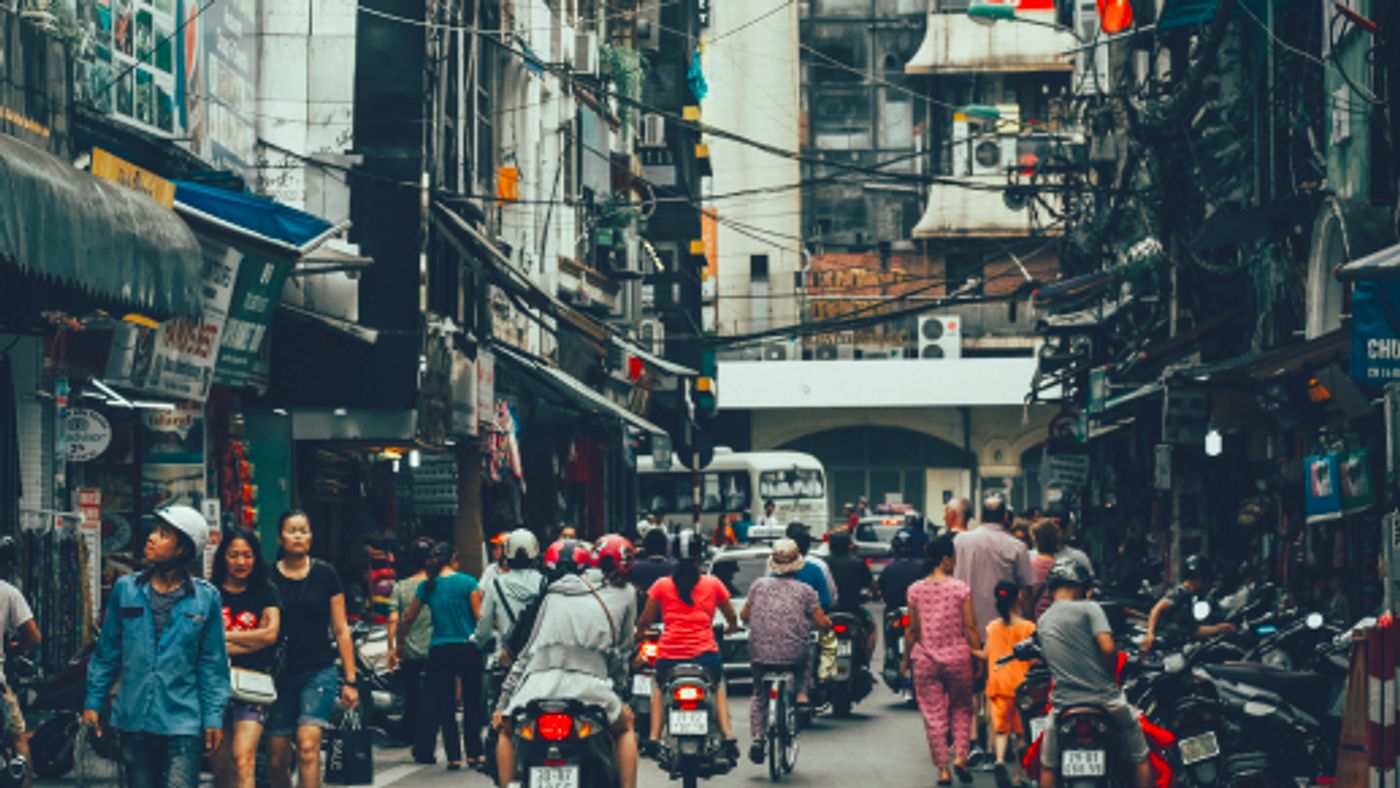
Hanoi
Hanoi, located on the banks of the Red River, is one of the most ancient capitals in the world, where travellers can find well-preserved colonial buildings, ancient pagodas, and unique museums within the city centre.
結果

Emergency contacts for travelers in Vietnam
For travelers in Vietnam, being well-prepared and having access to essential contact numbers is crucial for a safe and enjoyable trip. As Vietnam's Largest Aviation & Tourism Corporation, Vietravel will gather helpful travel information before your journey, ensuring you have the necessary knowledge and resources.
Vietnam Country Code: +84 - International Call Prefix: 00 - Trunk Prefix: 0
1. Emergency Phone Numbers
- Police: 113
- Fire: 114
- Ambulance – First Aid: 115
- Weather forecast: 1080
- Domestic long-distance telephone service: 101
- International telephone service: 110
- General information service: 1080
- Law Consultancy service: 1088
- Phone number inquiries: 116
Please keep in mind that when calling the emergency numbers listed above from a landline phone, simply dial the number without adding any area code. If you're using a mobile phone, make sure to include your current area code. For example, if you need to call 1088 in Hanoi, dial 04-1088. During your trip to Vietnam, stay informed and prepared for any unforeseen circumstances.
Check for: Hanoi Travel Guide
2. Emergency Foreign Embassy Numbers
Hanoi Immigration Office: 024. 3825 3076
- Algeria: 024.3825 3865/933 2151
- Angola: 024.6258 3559
- Argentina: 024.3831 5262/3
- Australia: 024.3774 0100
- Austria: 024.3943 3050/3051
- Bangladesh: 024.3771 6625/7829
- Belarus: 024.3829 0494
- Belgium: 024.3934 6179
- Brazil: 024.3843 0817
- Bulgaria: 024.3845 2908
- Canada: 024.3734 5000
- Cambodia: 024.3942 4789
- Chile: 024.3774 0100
- China: 024.3845 3736
- Czech Republic: 024.3845 3369
- Denmark: 024.3823 1888
- France: 024.3944 5700
- Germany: 024.3267 3335
- Greece: 024.3715 2254
- Hungary: 024.3771 5414
- India: 024.3824 4989
- Indonesia: 024.3825 3353
- Ireland: 024.3974 3291
- Israel: 024.3718 7500
- Italy: 024.3825 6256
- Japan: 024.3846 3000
- Korea: 024.3831 5111
- Lybia: 024.3845 3009
- Malaysia: 024.3734 3836
- Mexico: 024.3847 0948
- Myanmar: 024.3845 3369
- Morocco: 024.3734 5586
- Netherlands: 024.3831 5650
- New Zealand: 024.3824 1481
- Nigeria: 024.3726 3610
- Norway: 024.3974 8900
- Philippines: 024.3943 7873
- Poland: 024.3845 2027
- Romania: 024.3734 1148
- Russia: 024.3833 6991
- Singapore: 024.3823 3965
- South Africa: 024.3936 2000
- Spain: 024.3771 5207
- Sri Lanka: 024.3734 1894
- Sweden: 024.3726 0400
- Thailand: 024.3823 5092
- United Kingdom: 024.3936 0500
- United States of America: 024.3850 5000
3. Emergency Phone Numbers For Hospitals
- Hanoi:
- International SOS (24/24h)
Add: 51 Xuan Dieu
Tel: (84-24) 3934 0666
Regional health care group offering full medical treatments including 24-hour emergency service, dental care, and medieval ·
- Vietnam French Hospital (24/24h)
Add: 1 Phuong Mai Road, Dong Da, Hanoi
Tel: (84-24) 3974 3556
- Da Nang:
- Danang Family Medical Practice
Add: 50-52 Nguyen Van Linh, Nam Duong Ward, Hai Chau Dist
Tel: (84-236) 358 2699
Email: [email protected]
24-hour professionally managed and staffed family health clinic with full emergency medical services including dental care.

Read more: Da Nang Travel Guide
- Ho Chi Minh City:
- International SOS (24/24h)
Add: 167 A Nam Ky, Khoi Nghia, Dist 3
Tel: (84-28) 3829 8424 – 3829 8520
Regional health care group offering full medical treatments including 24-hour emergency service, dental care, and medevac.

Colombia Asia Saigon (24/24h)
Add: 8 Alexandre de Rhodes, Dist 1
Tel: (84-28) 3823 8888
24-hour accident & emergency unit with professional foreign & local doctors.
Read more: Ho Chi Minh City Travel Guide
As the Largest Aviation-Tourism corporation in the country, Vietravel consistently provides high-standard services at the most competitive prices so that you can discover the beauty of not only Vietnam but all of Southeast Asia.
Vietravel – Asia’s Leading Tour Operator
Hotline: (84) 35 235 61 61
Email: [email protected]
Website: www.vietravelasia.com
#VietravelAsia #Vietravel #Vietnam

Vietnam Visa Requirements
The Government of Vietnam has just decided to re-open the country and normalize visa procedures as the same as before 2020. Effective from March 15th, 2022. International travellers can enter Vietnam very easily. No test on arrival is required, no quarantine is needed, and vaccination is not a must. Please check the latest Vietnam Travel Requirements 2022 for all the details below.
I. VIETNAM ENTRY PROCEDURES
On April 27th, 2022, Vietnam's Ministry of Health announced that arrivals entering Vietnam via all border gates will no longer have to fill and submit health declaration forms. The country also scraped the Covid-19 testing requirement for all arrivals starting Sunday 15th May 2022. Travellers now only need Covid-19 Travel Insurance to enter the country:
Covid-19 Travel Insurance
Visitors must buy and show proof of medical or travel insurance within a minimum liability of $10,000 to cover any COVID-19-related treatment costs. However, all Vietravel travel packages are including this travel insurance (Coverage amount of $50,000 of COVID-19 medical expenses) so you don't have to buy it yourself when you travel with us.
II. VISA REQUIREMENTS
Regulations on the reception of international visitors to Vietnam under the document are now much easier than previous proposals. To enter the country, international visitors need to meet the following visa conditions:
1. Vietnam Visa Exemption List 2022
As Vietnam resumed its pre-Covid immigration policies from March 15, here are 24 countries whose citizens enjoy visa exemption (To stay beyond this number of days, you may apply for a visa extension upon your arrival in Vietnam).
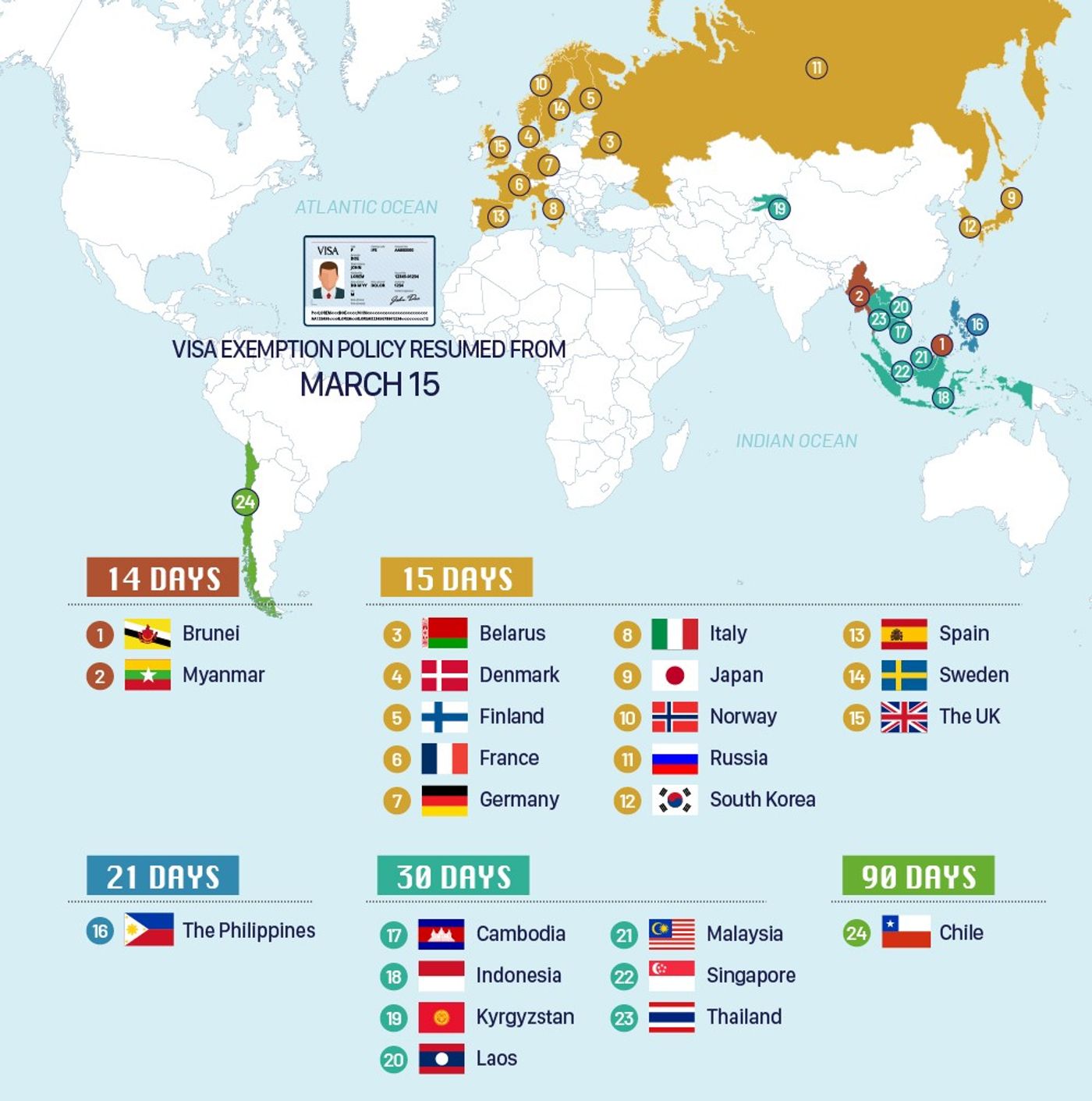
Note: The above information about the Vietnam visa exemption (updated on March 15, 2021) is provided for informational purposes only, please double-check with the official authorities in your current country before departure.
2. Vietnam Visa Requirements 2022
E-Visa
Effective March 15, 2022, the Vietnamese government has resumed pre-pandemic visa issuance policies. E-visa Vietnam is now available for citizens of 80 countries who are traveling to Vietnam for tourism purposes and stay in the country for no more than 30 days. E-visa fee is USD 25, the processing time is 3 working days. You will receive your code by email to print your visa.
List of 80 countries whose citizens were eligible to apply for e-visas to Vietnam: Argentina, Armenia, Azerbaijan, Ireland, Iceland, Austria, Poland, Belarus, Belgium, Portugal, Bosnia and Herzegovina, Brazil, Brunei Darussalam, Bulgaria, United Arab Emirates, Kazakhstan, Canada, Qatar, Germany, Chile, Colombia, India, Czech Republic, Andorra, Liechtenstein, Monaco, Croatia, Cuba, Denmark, Cyprus, Timor Leste, Estonia, Georgia, Republic of Korea, United States of America, Hungary, Greece, Italy, Latvia, Russia, United Kingdom of Great Britain and Northern Ireland, Lithuania, Luxembourg, Micronesia, Malta, Macedonia, Mexico, Myanmar, Moldova, Mongolia, Montenegro, Nauru, Japan, New Zealand, Australia, Palau, Panama, Finland, France, Fiji, Philippines, Marshall Islands, Salomons Islands, Romania, Western Samoa, San Marino, Serbia, Spain, Sweden, Switzerland, China (including Hong Kong SAR and Macau SAR passport holders, not apply to Chinese e-passport holders), Uruguay, Vanuatu, Venezuela, Netherlands, Norway, Slovakia, and Slovenia.
* Please note:
- Tourists can apply for an extension once or multiple times, but the maximum stay is 90 days. After this period, they must leave the country and if they want to return to Viet Nam, they will have to apply for a visa again.
- The list of international border gates that allow foreigners to enter and exit with electronic visas includes 8 aviation border gates, 16 land border gates, and 13 sea border gates.
Visa On Arrival / Take Visa at Vietnam Embassy in your country
An Approval Letter is a letter issued by Vietnam Immigration Department that allows you to enter and exit Vietnam for a given time period (1 month or 3 months – single/multiple entries). With the approval letter, you can pick up your visa upon arrival at one of three international airports in Vietnam (Hanoi, Ho Chi Minh City, and Da Nang) or at the Vietnam Embassy in your country.
If you book tours with Vietravel, we will support you get this Approval Letter with a service fee. In case your application is denied by Vietnam Immigration Department, we will refund this service fee. Processing time: 7 working days or more depending on your nationality.
Please note: The Embassy reserves the right to request further information and documentation from applicants and to deny approval for any visa application without necessarily providing an explanation for visa denial.
For Visa On Arrival: At the airport, the corresponding authorities will verify the details on the approval letter based on your passport and travel documents for you to get Visa Stamped (fee: $25) on your passport.
For getting Visa at Vietnam Embassy: At a Vietnam Embassy, the visa procedure will take around 7 days to process. Visa fees will depend on the type of visa for which you are applying. Travelers can get their visas processed at any Vietnam Embassy in any country in order to enter Vietnam for tourism.
Approval Letter
- To get a Vietnam visa on arrival at the airport or Visa at Vietnam Embassy, travelers will need to obtain a visa approval letter beforehand, then get on the flight to Vietnam and get a visa stamped upon landing at Vietnam airport.
- Details about the procedure for getting a visa on arrival in Vietnam airports and how to pick up a visa on arrival at each airport.
- Prepare documents before getting a visa at the airport as below
- Original passport (being valid for at least 6 months following your date of entry and having at least 2 blank pages)
- The visa approval letter (printed on paper already)
- The Vietnamese visa Application Form (Form N1 – also known as the entry and exit form) with completed information and attached photo already.
- You can find and get it at Immigration Office at the airport, this form is attached together with the visa approval letter from, find the guide to complete Form N1.
Vietnam visa photo at the airport, the photo size, and requirements:
- The 2 photos size should be 4 x 6 cm (standard Vietnam photography size) or 2 x 2 inches.
- The photos should be identical, taken within the past 06 months.
- The photos must be in color and printed on bond paper or professional photo paper.
- They must be full face, front view with a solid, plain bright background.
- A hat or headgear must be kept out unless it must be worn for religious purposes.
- The outfit with the exception of religious attire should not be worn.
- Dark glasses or nonprescription glasses with tinted lenses are not acceptable unless required for medical reasons.
- In some exceptional cases, consistent objects like prescription glasses, a hearing device, wig or similar items are still accepted.
- No smile. Just keep a neutral expression.
- Stamping fee (25$/person using a 1 or 3-month single entry visa, and 50$/person using a 1 or 3-month multiple entry visa)Note: The international airports of Vietnam work 24/7, so you can get your visa stamped at any time of landing.
III. HEALTH AND SAFETY PRECAUTIONS FOR TRAVELERS
1. Travelers are required to comply with Vietnam Travel Requirements 2022:
- Within 10 days from the date of entry, passengers self-monitor their health. If you have symptoms of SARS-CoV-2 infection (fever; cough; sore throat; runny nose, stuffy nose; body aches, fatigue, chills; decreased or lost taste; decreased or lost sense of smell; pain, headache; diarrhea; difficulty breathing; respiratory infection...) must immediately notify the nearest medical facility for guidance and timely management; take preventive measures: regularly wear a mask, disinfect hands with an antiseptic solution.
- Comply with the Ministry of Health’s 5K message: face masks - disinfection - distancing - no gatherings - health declarations.
- Currently, flight restrictions have been reduced until the new update. However, please notice that all requirements might have resulted in changes requirements of the different destinations.
2. Vietnam’s health hotline
Any travelers experiencing symptoms of the virus − fever, cough, and difficulty breathing − should immediately call Vietnam’s health hotline: 1900 3228.
Vietnam has appointed 323 authorized testing facilities to carry out testing and diagnosis of COVID-19 disease. See the full list in Vietnamese.
Please note: These guidelines may change at any time based on conditions, as determined by the Vietnam government.
As the largest tourism cooperation in the country, Vietravel is proud to be trusted by more than 800,000 tourists to Vietnam every year. Within 27+ years of development, we always provide the best travel services at the best prices for you to discover the beauty of not just Vietnam but entire Southeast Asia.
Let's check out all Vietravel Top-picked Tours here
Please contact us for more information
Vietravel - Asia Leading Tour Operator
Hotline: (84) 35 235 61 61
Email: [email protected]
Website: www.vietravelasia.com
#VietravelAsia #Vietravel #Vietnam #SoutheastAsia #VietnamTour #VietnamTravel

An introduction to Sapa, Vietnam
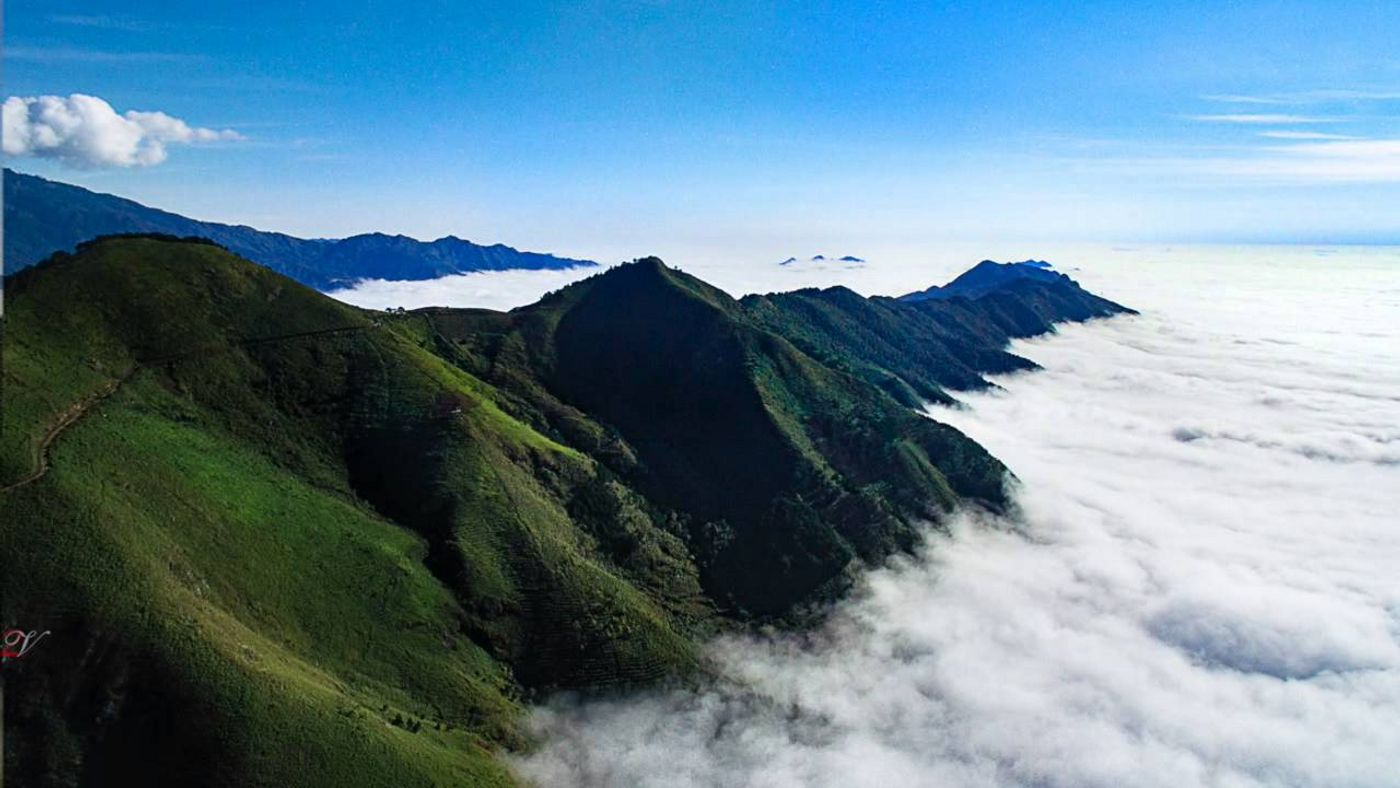
Being one of the most attractive tourism destinations of the country, Sapa is a precious gift that Mother Nature dedicates to Vietnam.
Location

Sapa is a beautiful, mountainous town in Lao Cai Province. Located in north-western Vietnam about 350 kilometers from Ha Noi, Sapa is one of the most scenic places in the country. At 1,650 meters in height, the town of Sapa is nestled in a valley surrounded by the Hoang Lien Son mountains. The city also looks up at the country’s highest peak, the imposing Mount Fansipan. If you’re up for it, you can get a local guide to take you the top. It’s not the easiest trek but the view from the summit (3,143 meters/10,312 feet) is absolutely worth it.
Area: 24.02 km2 (9.27 sq mi)
Population: 8,975 (2009)
Density: 373.6/km2 (968/sq mi)
Overview

Sapa is famous for its landscapes of verdant rice paddies, rolling hills, Vietnam’s highest mountain, and trails in overgrown valleys. Sapa travel is a journey through time and space compared to the rest of Vietnam: stunning rice terraces appearing on what would otherwise be described as cliffs, comparatively frigid winter temperatures, the distinct dialect of the hill tribes, traditional batik handicrafts and a magical overnight train to get there. The list of what makes Sapa travel unique is almost endless.
Sapa’s rolling rice fields and refreshingly cool climate are a world away from the bustling metropolises of Hanoi or Ho Chi Minh City.
History

Originally, the town we know as Sapa today was founded by the French in the very beginning of the 20th century. They used it as a hill station in the summer to escape the heat of Ha Noi and enjoy the clean air and beautiful views of surrounding mountains.Due to the independence movement in the 1940s, the city was heavily bombed and nothing was left but ruins. Only in the 1990s did Sapa start to see new infrastructure with the goal of attracting visitors again.
Going through many ups and downs, today, these efforts are paying off. Sapa is once again the number one destination for hikers and trekkers wanting to explore Vietnam’s beautiful countryside, learn more about local culture and customs, and get to meet and interact with members of the famed hill tribes.
Sapa - fairy home of ethnic minorities

There is nowhere in Vietnam tourists can easily meet the local ethnic minorities like in Sapa. The district is the home of a great diversity of ethnic people, including five main groups of Black H'mong, Red Dao, Tay, Giay and Xa Pho. They do not live in center area but in hamlets scattering on the valleys throughout Sapa district. Actually, not until the 20th century did a majority of the ethnic people changed to sedentary lifestyle with intensive farming method on sloping terraces, instead of slash-and-burn culture like in the past. Town of Sapa is where ethnic minority people gather, trade or sell their farming products such as rice, corn, fruits, as well as handicrafts and souvenirs to tourists. There is one interesting fact about ethnic minority people in Sapa that besides their dialects, many of them, especially small children, can speak English pretty well with clear pronunciation.
Spending time visiting ethnic minorities’ villages, observing their daily’s activities or even living homestay, in order to understand more about their culture is now the top priority of visitors, especially international ones. A trip to Sapa would definitely more meaningful with participatory activities, such as learning to make handicrafts or helping the local with farm work! In case time does not allow, you can always hire a local guide for your trekking routes. Chances are these boys and girls will tell you lovely stories about their traditions, their lives or even ask you to join their family activities.
Culture

The culture of the locals in Sapa bases on their beliefs and it also shows in the local festivals and traditional architecture or handicraft; their activities and their funeral or marriages of the daily life.
The traditions of the Black Hmong People

The Black Hmong people are an ethnic minority group native to Vietnam. When one member falls ill, there is one peculiar traditional remedy chosen to help relieve any pain; the base of a cow or ox horn is heated to a high temperature and is then used to burn the skin on the patient’s forehead. This unusual practice is said to divert all thoughts away from the illness by redirecting them to the more apparent and searing pain in the head. It is the remnants of these burns which give the Hmong people the characteristic red marks on their foreheads.
The different Hmong groups
The lineages of the Hmong people are difficult to trace because they’ve been handed down orally, but there remains a rich diversity to the communities that co-exist today. The easiest way to distinguish between them are the colors of their clothing. The groups – the Black, Striped, White, Leng and Green, among others – also have their own customs and traditions, which are more apparent during festivals and weddings.
Indigo clothing
The Hmong ethnic groups are one of the few societies in the country who continue to make the majority of the clothes that they wear. Hemp is commonly used to produce the clothing, and many of the designs feature fine embroidery and elaborate patterns. The secret behind the distinctively deep shades of blue exhibited by many of the garments is the use of the indigo plant. Dye is extracted from the plant’s leaves, and they are then fermented to produce a blue powder which is insoluble in water. Blue dyes were once rare, but thanks to this practice much western clothing can incorporate rich blue hues too.
Tourism and the Hmong

As Vietnam has opened its borders to the surge of global travel, the Hmong people in Vietnam have shifted a large part of their economy from agriculture to tourism. The markets in places like Sapa, Lao Cai and Ha Giang are a colorful sea of handcrafted garments and jewellery, and homestays bring in many curious foreigners who want an inside look at a Hmong community. For the Hmong people, they’re simply adapting to the world around them, much the same as they always have.
Languages
Many of the ethnic minorities in Sapa and the surrounding areas do not speak Vietnamese as their first language. They communicate using their own languages and dialects, including the ‘Sapa language’. The Sapa language is supposedly the closest relative of the southwestern Thai languages, and is just one of the many indigenous languages which can be found in different regions throughout Vietnam.
When to go to Sapa

Sapa weather in brief:
With the temperature ranging from the lowest of -1˚C to the highest of 29˚C, Sapa’s climate is moderate and drizzly in summer while chill and foggy in winter.
March – May: perfect weather – warm and dry – for trekking and outdoors activities
June – September: rainy weather and crowded with Vietnamese tourists
Late – September – mid- December: cool dry weather – perfect for photos and trekking
Mid-December – February: harsh winter but few tourists – perfect for people watching
Keep in mind though that Sapa is famous for going through “four seasons in one day”: chilly mornings, warm days, windy, cool afternoons, and cold nights.
If you come in the springtime, you will witness the mountains waking from their winter sleep. Fields and hills will be green and full of flowers. Many Vietnamese people even travel to Sapa after the Lunar New Year to enjoy the local season of cherry blossoms! Autumn is also a great time to visit as this is when the rice fields are ready for harvesting, weaving through the valleys like golden ribbons. Needless to say, this is an absolutely priceless view.
Source Internet

Saigon Opera House Travel Guide - All You Need To Know Before You Go
The Saigon Opera House, a cultural icon, sits at the core of Ho Chi Minh City's lively District 1. This architectural masterpiece reflects Vietnam's French colonial era while functioning as a dynamic hub for the performing arts. As a key attraction, it offers visitors a window into the city's diverse cultural legacy. Vietravel, Vietnam's Largest Aviation and Tourism Corporation, presents the ultimate guide to help you uncover the elegance and history of this must-visit landmark.
Learn more about Notre Dame Cathedral of Saigon.
I. Where is the Saigon Opera House?
The Saigon Opera House, also known as the Municipal Theatre, occupies a prime location on Dong Khoi Street, one of the most famous and vibrant streets in Ho Chi Minh City. The building’s central position makes it easily accessible by various forms of transportation.
- Address: 7 Lam Son Square, Ben Nghe, District 1 (Saigon Opera House on Google Maps)
- Open time: 9:00 AM - 4:30 PM daily
Tip: Visits are available only on event days, so check the schedule in advance

II. The best time to visit in a day - Saigon Opera House travel guide
1. Morning for serene exploration
Visit the Opera House in the morning to enjoy a peaceful experience. From 9 to 11 AM, the area around the Opera House is relatively quiet, allowing you to admire the intricate architecture and take in the ambiance of one of Saigon’s most iconic landmarks. The morning light enhances the beauty of the building’s detailed facades, making it an ideal time for photography enthusiasts.
2. Evening for performance lovers
The Saigon Opera House comes alive in the evening, especially when there are performances scheduled. From 7 PM onwards, the area buzzes with excitement as locals and tourists gather to attend shows. The exterior of the Opera House, illuminated by soft lights, creates a magical atmosphere. If you’re interested in watching a performance, make sure to check the schedule in advance and book your tickets early.
III. The history of the Saigon Opera House - Saigon Opera House travel guide
After the French conquest of Cochinchina, the French government invited a theatre company to perform for the French legion in Saigon in 1863. Initially, performances took place in a wooden building at the foreman’s palace at Clock Square. Shortly after, a temporary theatre was set up on the current site of the Caravelle Hotel. Construction of a new theatre began in 1898 at the same location and was inaugurated on January 1, 1900. Between World War I and World War II, the municipal government covered all operational costs. Although the theatre was intended as an entertainment venue for the emerging middle class, the rise of nightclubs, music bars, and dance halls gradually diminished its audience. Consequently, performances during this period were infrequent, consisting mainly of concerts and Cai Luong programs.

In 1943, some of the theatre's decorations, engravings, and statues were removed to give the façade a more modern appearance. The following year, the venue suffered significant damage from Allied aerial bombings and was subsequently closed. In 1955, the Saigon Opera House was renovated and repurposed as the Congress House, later known as the Lower House of the State of Vietnam under the Republic of Vietnam. After 1975, the theatre was restored to its original function as a venue for performing arts. In 1998, the city authorities undertook a major renovation to preserve the opera house's French architectural style in celebration of Saigon's 300th anniversary.
In 2005, exterior lighting was added to enhance the theatre's nighttime appearance. A small park with fountains once existed in front of the building, but it was removed in 2008 to make way for the construction of Ho Chi Minh City's first metro project, which was also the first in Vietnam. Designated as a national relic in 2012, the Saigon Opera House is now a renowned venue for significant events and cultural activities in the city.

IV. Architecture Wonders
1. Interior
The Opera House accommodates approximately 500 spectators across three tiers. Its interior showcases the ornate aesthetic typical of France's Third Republic era, with traditional architectural features such as coffered ceilings and pendentives. Flanking the stage are two-tiered box seats, probably designated for VIP attendees seeking prime views, reminiscent of other Western opera venues. These boxes are embellished externally with composite columns on each side, linked by an arched structure featuring a central decorative element.


2. The Colonial Past
The French built opera houses in Saigon, Haiphong, and Hanoi between 1889 and 1910 as part of their colonial "civilizing mission" in Indochina. These structures aimed to bring French cultural traditions to Vietnam, transforming major cities into miniature versions of Paris. Opera houses were foreign to the region, as local performances typically involved traveling troupes.
The Saigon Opera House, part of urban development, symbolized French colonial presence and supposed superiority. However, the project faced challenges. Its high construction and operational costs sparked debates about economic versus cultural benefits, especially given local infrastructure needs like water sanitation.

Moreover, operas were largely disconnected from Vietnamese context and culture. They catered to the elite who spoke French or other Western languages and had the time and money for such entertainment. This created social and cultural barriers, as most locals needed to familiarize themselves with Western operatic traditions and languages.
The Saigon Opera House's architecture reflects the French approach to protecting and controlling access to their arts and culture, which was tied to their "civilizing mission" ideology. The building's exterior appears unwelcoming and exclusive. This impression is created by two large caryatids - sculptured female figures serving as columns - that seem to guard the main entrance. The entrance is positioned high above ground level, reached by a series of narrowing steps. This design reinforces the idea of the opera house as a restricted, elite space, mirroring the French colonial attitude towards cultural dissemination.

V. Top 3 most excellent Saigon Opera House shows - Saigon Opera House travel guide
Visitors to the Saigon Opera House can experience a variety of performances, including classical concerts, opera galas, and both traditional and modern Vietnamese dances. Among the most popular shows are A O, The Mist, and Teh Dar.
1. A O Show
A O Show blends visual theater, contemporary dance, traditional Vietnamese music, acrobatics, and bamboo circus acts. Its name, derived from "A" (village) and "O" (city), reflects the show's exploration of rural-urban contrasts in Vietnamese life.

2. Mist Show
The Mist Show offers insight into Vietnamese farmers' daily lives, highlighting their efforts in rice cultivation. Through neoclassical and modern dance, performers depict the farmers' routines from morning to night.

3. Teh Dar Show
Teh Dar Show, a Vietnamese bamboo circus performance, showcases the culture of Vietnamese highland communities. Performers wear distinctive red and black costumes, with men in loincloths and women in embroidered short skirts, telling previously untold stories of highland life.

VI. How to get to Saigon Opera House? - What to do in Ho Chi Minh City
Want to get to Saigon Opera House easily? Vietravel has picked the best ways to go. We'll help you find a way that fits your style and budget. Let's make your trip fun with our local tips!
1. By Bus
Want to travel like a local? Take a bus! You'll see daily life in Saigon as you ride. Buses 3, 19, and 45 all go to Saigon Opera House.
Tip: Try the Hop-on-Hop-off bus if you want to stop at other places too!

2. By Taxi
Need a quick ride? Get a taxi or use a ride app. You can use Mai Linh, Vina Sun, Grab, Be, Xanh SM, or GoJek! With apps, you'll know the price before you ride.
3. By Walking
Like to explore? Try walking! You'll feel the city's buzz and see cool sights. But watch out for hot sun and rain. New to the city? A guide can show you hidden spots.
4. By Cyclo
Want an old-school ride? Try a cyclo – it's like a big bike with a seat. It costs more, but it's a special way to see the city. You can take photos as you ride to Independence Palace.

VII. Conclusion
Discover the elegance and history of Ho Chi Minh City with Vietravel’s Saigon Opera House travel guide. Whether you’re an architecture enthusiast, a culture lover, or simply a curious traveler, this iconic landmark offers something for everyone. Ready to explore more of Ho Chi Minh City? Dive into our comprehensive travel guide for detailed itineraries, tips, and recommendations to ensure a memorable trip. Let Vietravel, Asia’s Leading Tour Operator, guide you through the vibrant and historical heart of Vietnam.
As the Largest Aviation - Tourism corporation in the country, Vietravel consistently provides high-standard services at the most competitive prices so that you can discover the beauty of not only Vietnam but all of Southeast Asia.
Please contact us for more information.
Vietravel – Asia’s Leading Tour Operator
Hotline: (84) 35 235 61 61
Email: [email protected]
Website: www.vietravelasia.com
#VietravelAsia #Vietravel #Vietnam #Hochiminhcity #Saigonoperahouse #discovery #attraction #travelguide #WheretogoinHoChiMinhCity? #WhattodoinHoChiMinhCity



Saigon Central Post Office Travel Guide - All You Need To Know
The Saigon Central Post Office, a remarkable symbol of Ho Chi Minh City’s colonial past, stands proudly as an architectural gem and a functioning post office. Designed by the famed architect Alfred Foulhoux, this historic building embodies the elegance and grandeur of French colonial architecture. Conveniently located in District 1, it is a must-visit destination for tourists and history enthusiasts alike. Vietravel, Vietnam's largest aviation and tourism corporation, presents a comprehensive travel guide to uncover the secrets of this destination.
Learn more about Ho Chi Minh City Travel Guide.
I. Where is Saigon Central Post Office?
Located in the vibrant District 1, the Saigon Central Post Office is conveniently positioned in the city center, making it easily accessible and well-connected by various modes of transport.
- Address: 2 Cong Xa Paris, Ben Nghe, District 1, Ho Chi Minh City, Vietnam (Central Post Office on Google Maps)
- Opening Hours: 7:30 AM - 6:00 PM (Monday to Saturday), 8:00 AM - 5:00 PM (Sunday)
- Entrance Fee: Free
II. The History – Saigon Central Post Office Travel Guide
The history of Saigon Central Post Office dates back to the late nineteenth century, during the period when Vietnam was part of French Indochina. Following the successful invasion of Saigon in 1863, the French colonial administration began to establish a comprehensive communication system. This initiative led to the construction of the Saigon Telegraph-wire Department, which served as the precursor to the Saigon Central Post Office.
Designed by Gustave Eiffel, an architect renowned for his work on iconic structures such as the Eiffel Tower in Paris, the Statue of Liberty in New York, and the Long Bien Bridge in Hanoi, the Saigon Telegraph-wire Department was inaugurated on January 13, 1863, to serve the local population. Despite its significance, the building soon proved inadequate to meet the growing communication demands of the city's residents.

Recognizing the need for a more robust facility, the French colonial authorities commissioned the reconstruction of the telegraph department in 1886. The new design was the brainchild of architects Alfred Foulhoux and Henri Vildieu, who infused the building with a unique blend of Gothic, Renaissance, and French colonial architectural elements. Their vision resulted in a grand structure that would become one of the most iconic and enduring symbols of Ho Chi Minh City.
The reconstruction process took five years, with meticulous attention to detail and craftsmanship. The new Saigon Central Post Office was officially inaugurated in 1891, standing as a testament to the architectural brilliance and colonial ambitions of the era. Its façade, adorned with intricate carvings and ornate details, reflected the influence of European design while seamlessly integrating local cultural elements.

Over the years, the Saigon Central Post Office has undergone numerous maintenance and restoration efforts to preserve its historical and architectural integrity. The building remains a bustling hub of activity, continuing to serve the communication needs of the city's residents and visitors alike. Its interior, with high vaulted ceilings, vintage telephone booths, and a large portrait of Ho Chi Minh, offers a glimpse into the past while retaining its functionality as a modern post office.
Today, the Saigon Central Post Office stands as a symbol of Ho Chi Minh City's rich historical heritage and architectural splendor. It attracts countless visitors who come to admire its beauty, learn about its history, and experience a piece of the city's colonial past. The enduring presence of this architectural masterpiece serves as a reminder of the city's evolution and its ability to blend tradition with modernity.
III. Architecture - What to do in Ho Chi Minh City
The splendid Saigon Central Post Office, the largest and oldest colonial building in Vietnam, stands as a crucial piece of Ho Chi Minh City's colonial heritage, drawing visitors with its aesthetic and historical significance. Even after over a century of operation, the Saigon Central Post Office has retained its timeless beauty. It showcases a unique blend of elegant French architecture and artistic Asian influences.
1. Exterior
The Saigon Central Post Office, like many architectural marvels from the French colonial era in Vietnam, boasts a stunning facade characterized by yellow walls, arched doors and windows, and intricate decorative reliefs, all hallmarks of French architecture. Atop this grand building, a massive clock has been keeping time for over 130 years. Additionally, the names of renowned scientists and inventors in the telegraph industry, including Benjamin Franklin, Alessandro Volta, and Michael Faraday, are engraved on rectangular panels extending from the center to the sides of the building.

2. Interior
Upon entering the post office, you are greeted by a large portrait of President Ho Chi Minh, the revered leader of the Vietnamese revolution in the twentieth century, prominently displayed in the center. The entire length of the post office is covered by a dome roof, showcasing a highly sophisticated arched structure supported by rows of pillars on both sides. The walls of the post office feature two meticulously drawn maps: one depicting Saigon and its surrounding areas in 1892, and the other illustrating the network of telegraph lines across Vietnam and Cambodia in 1936. If you need a place to rest after exploring this charming post office, you can sit on the rows of wooden chairs lining the hall.

IV. What to Do at Saigon Central Post Office - Saigon Central Post Office Travel Guide
1. Send a Postcard
The Saigon Central Post Office is still a fully functioning post office, so take the opportunity to send postcards or letters to your loved ones. You can buy some postcards with iconic buildings of Ho Chi Minh City, such as Ben Thanh Market, Notre Dame Cathedral, Independence Palace, etc. from the gift shop in the center. It's a nostalgic experience that adds a personal touch to your correspondence.

2. Souvenir Shopping
Besides postcards and stamps, you can also buy some souvenirs from the shops inside or outside the post office. You can find some handicrafts, books, magnets, keychains, T-shirts, and other items with Vietnam-themed. It's a great place to find unique souvenirs to remember your trip to Saigon.

3. Explore Nearby Attractions
The % Arabica Ho Chi Minh City Roastery offers a thoughtfully designed space in the Central Post Office that combines the area’s historical context with a modern aesthetic. This unique coffee shop offers a perfect spot to enjoy a cup of coffee while appreciating the architectural beauty and historical significance of one of Ho Chi Minh City's most iconic landmarks.

V. How to get to Saigon Central Post Office?
Want to get to Independence Palace easily? Vietravel has picked the best ways to go. We'll help you find a way that fits your style and budget. Let's make your trip fun with our local tips!
1. By Bus
Want to travel like a local? Take a bus! You'll see daily life in Saigon as you ride. Buses 04, 14, 18, 19, 45, 93 all go to Saigon Central Post Office.
Tip: Try the Hop-on-Hop-off bus if you want to stop at other places too!
2. By Taxi
Need a quick ride? Get a taxi or use a ride app. You can use Mai Linh, Vina Sun, Grab, Be, Xanh SM, or GoJek! With apps, you'll know the price before you ride.
3. By Walking
Like to explore? Try walking! You'll feel the city's buzz and see cool sights. But watch out for hot sun and rain. New to the city? A guide can show you hidden spots.
4. By Cyclo
Want an old-school ride? Try a cyclo – it's like a big bike with a seat. It costs more, but it's a special way to see the city. You can take photos as you ride to Saigon Central Post Office.

VI. Conclusion
The Saigon Central Post Office is not just a place to send mail; it’s a historical and architectural gem that captures the essence of Ho Chi Minh City’s colonial past and vibrant present. Whether you’re a history buff, architecture enthusiast, or simply a curious traveler, a visit to this iconic landmark is an enriching experience. Dive into the Ho Chi Minh City travel guide for a detailed itinerary, tips, and recommendations to ensure a memorable trip. Let Vietravel help you uncover the beauty and history of Vietnam.
Want to really get to know the city? Join Vietravel's Walking Tour. Our local guides know all the cool stories and secret places most tourists miss. They'll help you see the real Ho Chi Minh City, beyond the usual tourist spots.
As the Largest Aviation - Tourism corporation in the country, Vietravel consistently provides high-standard services at the most competitive prices so that you can discover the beauty of not only Vietnam but all of Southeast Asia.
Please contact us for more information
Vietravel – Asia’s Leading Tour Operator
Hotline: (84) 35 235 61 61
Email: [email protected]
Website: www.vietravelasia.com
#VietravelAsia #Vietravel #Vietnam #Hochiminhcity #SaigonCentralPostOffice #discovery #attraction #travelguide #WheretogoinHoChiMinhCity? #WhattodoinHoChiMinhCity
HO CHI MINH CITY TRAVEL GUIDE 2024 - All you need to know
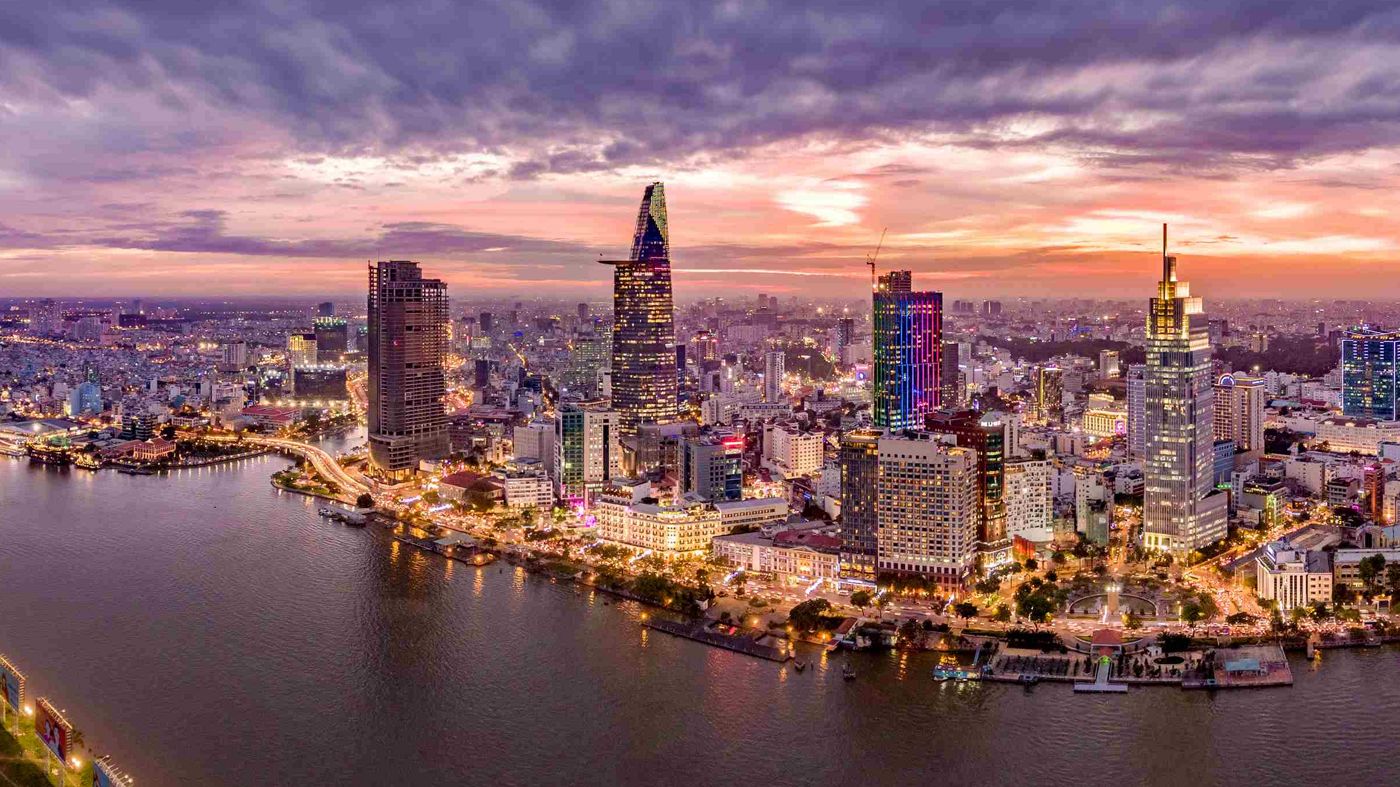
Experience the pulsating spirit of Ho Chi Minh City (HCMC), which comes alive with the vibrant soundscape of local life, fantastic architecture, and amazing street food. This hectic metropolis beckons you to discover. Let Vietravel, Vietnam's Largest Aviation & Tourism Corporation, be your trusted companion as we unveil the secrets in our comprehensive Ho Chi Minh City travel guide. Are you ready to embark on an exhilarating journey to the typical Vietnamese sleepless urban hub?
Tap for more information about Vietnam Travel Guide 2023
I. When is the best time to visit Ho Chi Minh City? – Ho Chi Minh City travel guide
The best time to uncover the enchantment of Ho Chi Minh City is from December to March. When a symphony of perfect temperatures ranging from 20°C to 32°C unfolds, the energetic metropolis reveals its true beauty. Travel between January and February for a traditional holiday experience in Ho Chi Minh City. To avoid frequent tropical storms and high humidity from May - November, it's advisable to plan your visit during the dry season, when Ho Chi Minh City shines with its vibrant energy and captivating attractions.
Also read: Hoi An Travel Guide
II. Where are the best places to visit in Ho Chi Minh City?
Nestled in the heart of southern Vietnam, Ho Chi Minh City beckons with its appealing fusion of warm hospitality. Without a doubt, this hectic destination pulsates with an exhilarating spirit, where history intertwines with cultural richness and a thriving economy. For more ideas on the best places to visit, scroll down our apprehensive Ho Chi Minh City travel guide. Let your extraordinary journey commence!
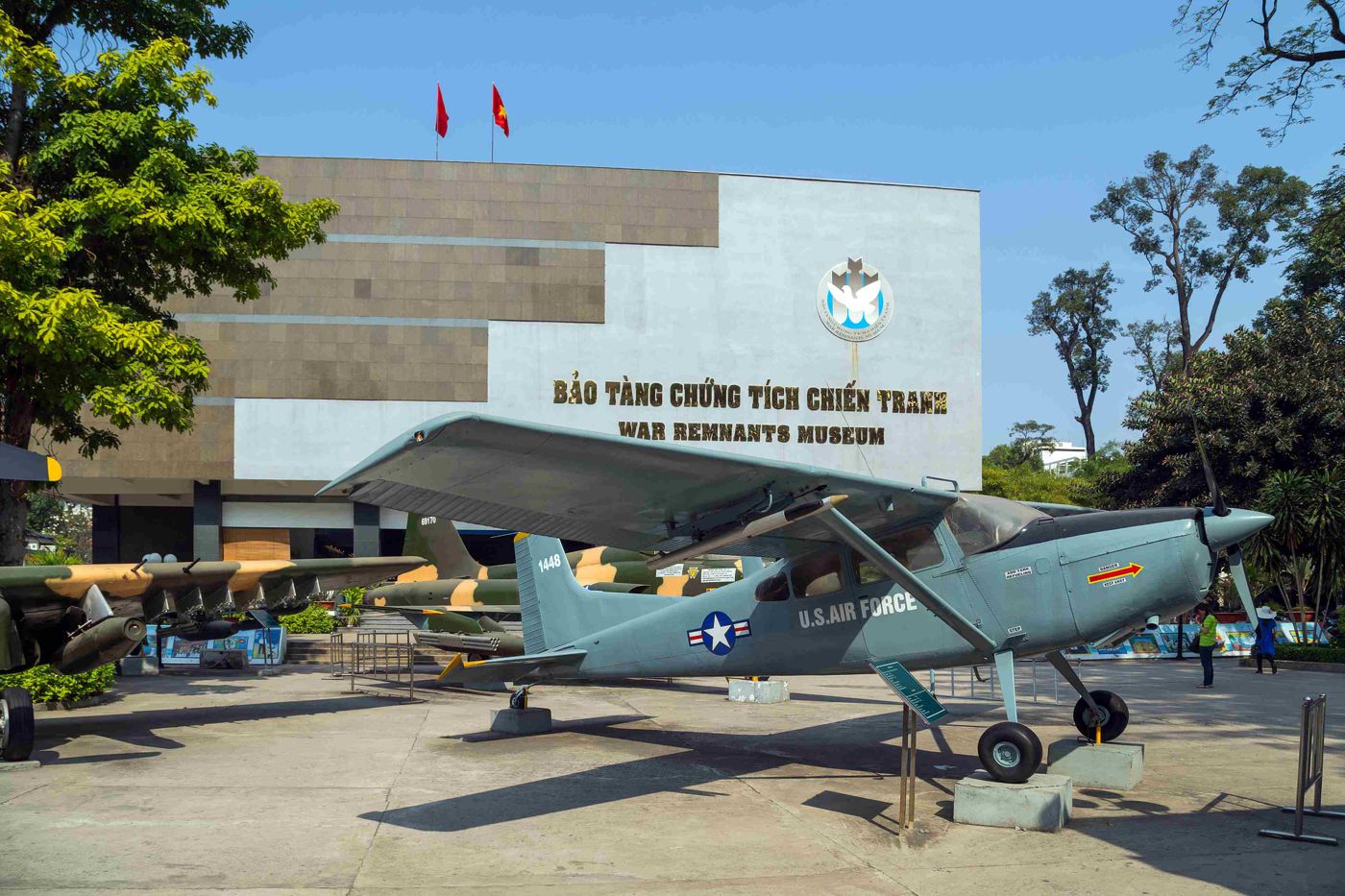
1. War Remnants Museum
To begin with, step into the profound history of Vietnam at the War Remnants Museum. Primary artifacts focus on the Vietnam War and glimpses into the first Indochina War. Therefore, this enthralling museum will invite you to contemplate the enduring lessons of humanity, fostering empathy, understanding, and a collective vision for a brighter future.
2. Saigon Notre Dame Cathedral
Then, enjoy the timeless elegance of the Neo-Romanesque Notre Dame Cathedral of Saigon, an iconic symbol nestled in the heart of Ho Chi Minh City. This late-19-century architectural marvel exemplifies the fusion of French colonial influence and local craftsmanship. Encounter a mysterious world where divine beauty intertwines with human artistry, allowing you to awaken the spirit with its ethereal charm.
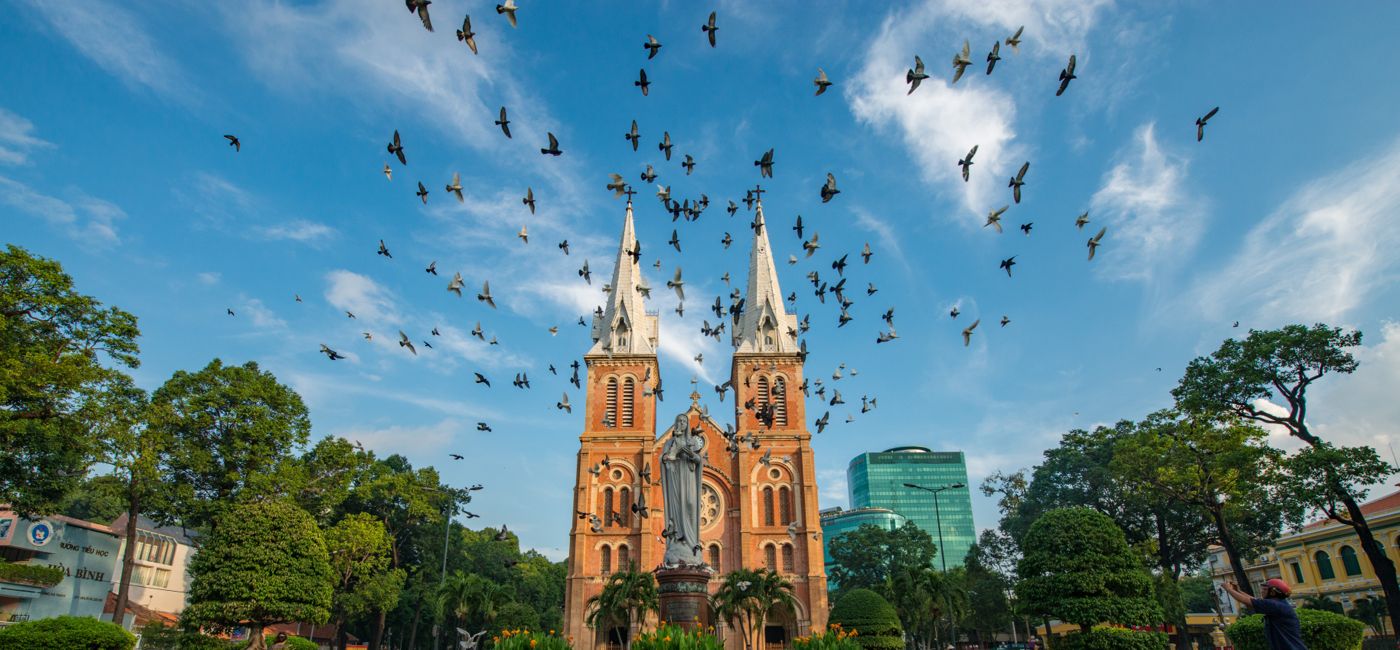
Please note: The Notre Dame Cathedral of Saigon is currently undergoing renovations and is temporarily closed until 2024.
3. Saigon Central Post Office
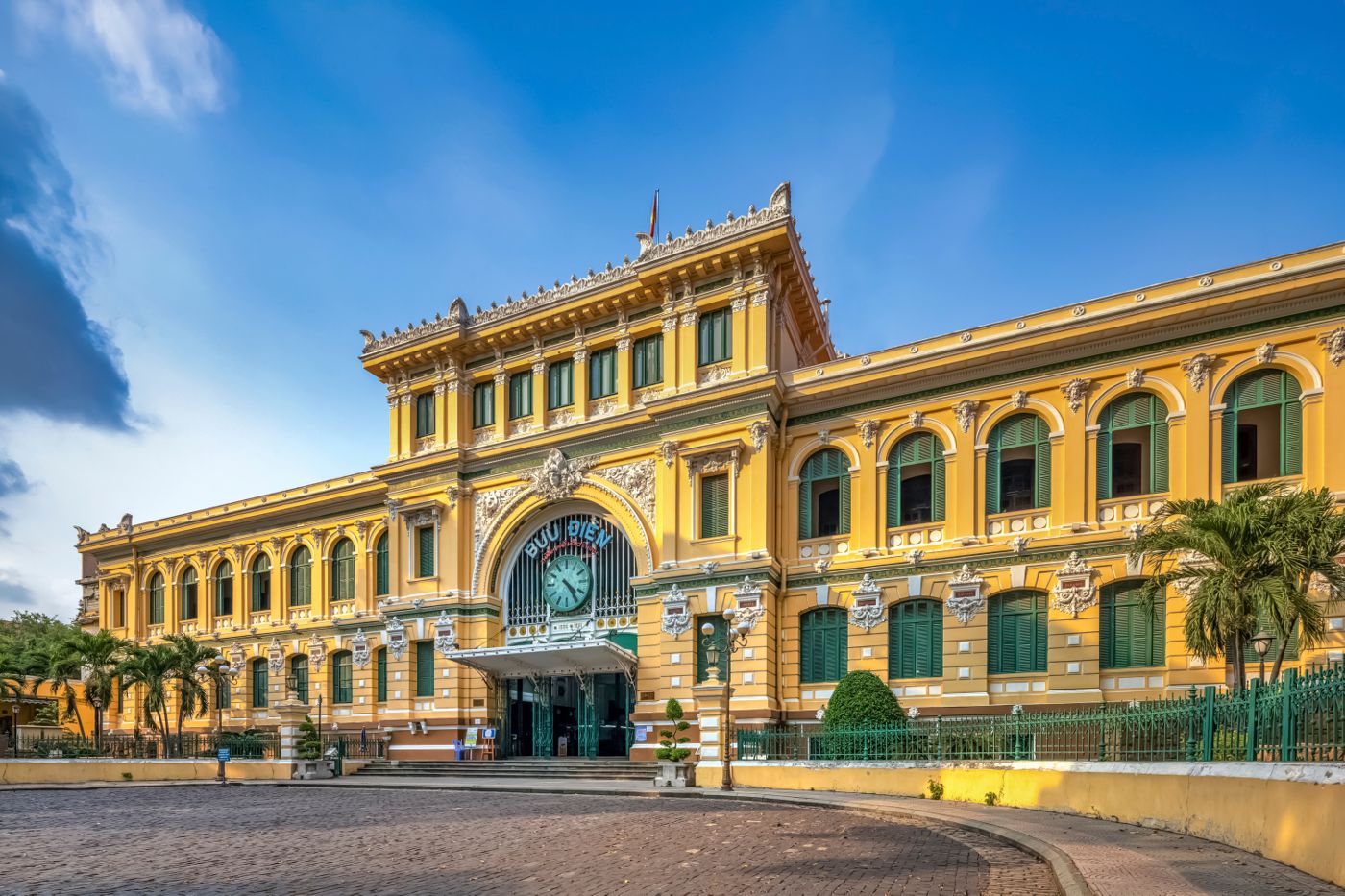
Additionally, whether you're a history enthusiast, an architecture lover, or simply seeking a unique experience, Saigon Central Post Office promises to ignite your imagination. Marvel at its magnificent neoclassical facade, adorned with intricate details and crowned by a soaring arched ceiling. Are you ready to explore this artistic site, where the harmonious fusion of French-influenced charm and Vietnamese cultural heritage awaits?
Click here for more hot Southern travel deals
4. Ben Thanh Market
Being a timeless market, Ben Thanh is well-known as a bustling oasis in the heart of Ho Chi Minh City. Bright colors, enticing aromas, and lively sounds envelop you in a sensory feast. Explore a treasure trove of local craftsmanship, and delectable street food, and immerse yourself in the vibrant essence of the city's energy.
5. Reunification Palace
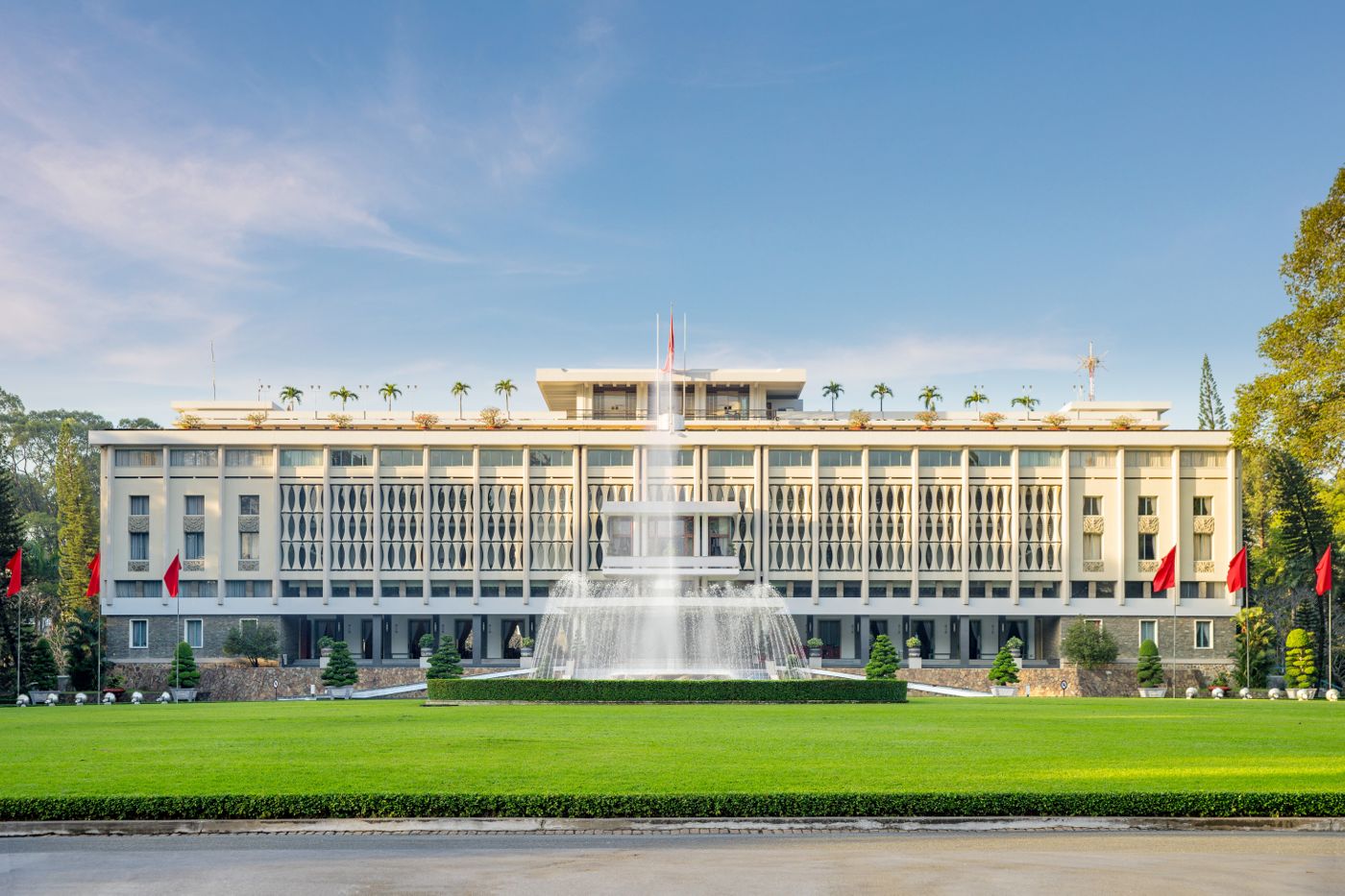
Originally known as Norodom Palace, the Reunification Palace holds a fascinating history. With its 1960s architectural charm, open-air design, as well as vintage furnishings, the palace showcases the essence of the era. From its impressive meeting rooms to the stylish bar on the second floor and the fortified basement, this emblematic landmark is a piece of evidence of the tumultuous times of the past.
6. Cu Chi Tunnels
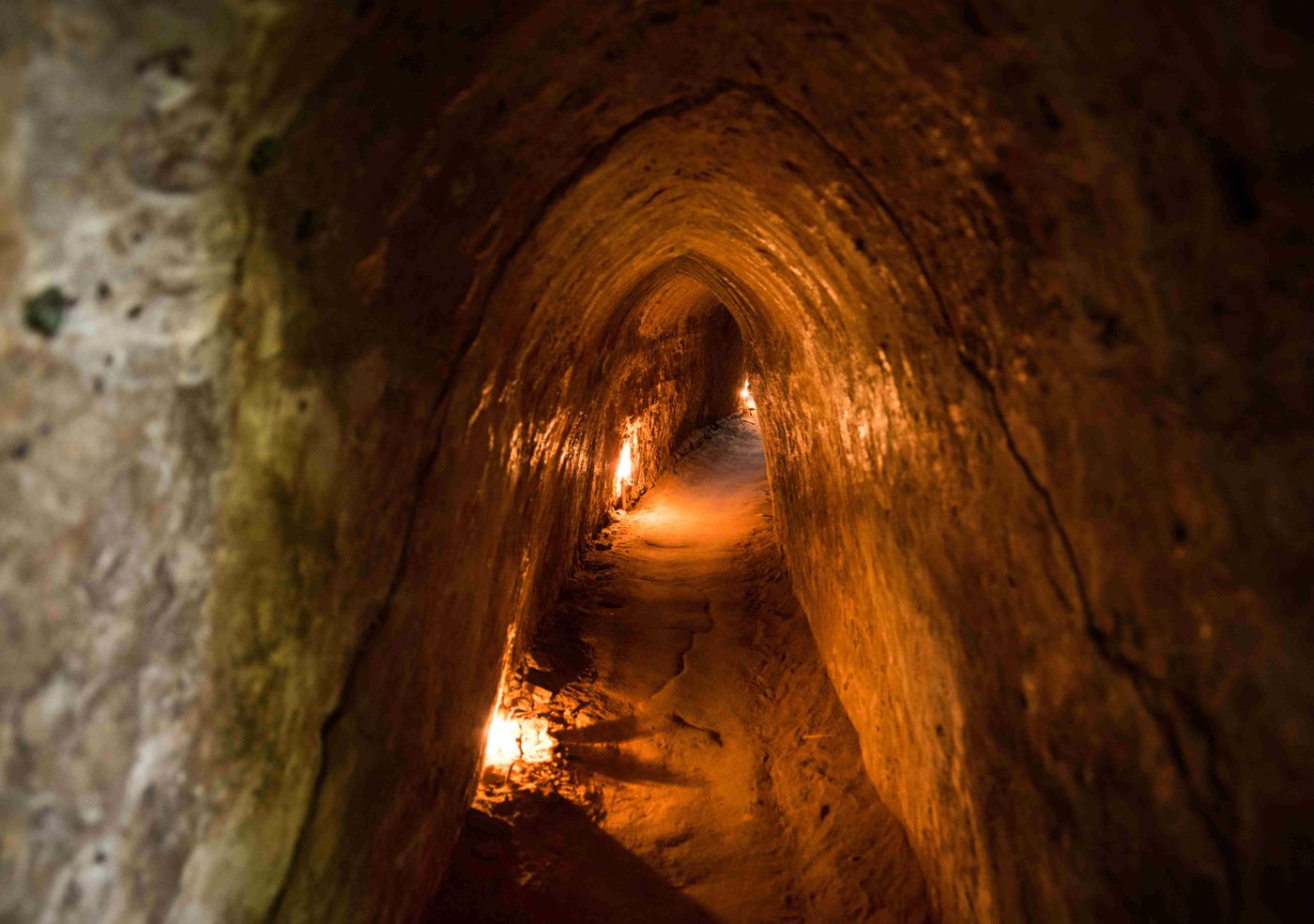
Furthermore, uncover the secrets of these hallowed underground passages at the Cu Chi Tunnels for a thrilling experience. The decades-old tunnel complex resembles a sophisticated hidden maze, where visitors can glimpse the turbulent Vietnamese history as if they are transported back to wartime. This remarkable testament to resilience must be at the top of your bucket list when exploring the energetic land.
7. Saigon Opera House
Welcome to the magnificent Saigon Opera House, an elegant gem that stands proudly at the beginning of the renowned Le Loi Avenue. Also known as The Municipal Theatre of Ho Chi Minh City, this enthralling site is a delightful treat for art buffs. Be amazed as step into its majestic halls, adorned with ornate architecture, and approach the pure magic of opera, ballet, and theater performances.
8. Saigon Zoo and Botanical Gardens
Moreover, right in the heart of HCMC lies an oasis teeming with exotic flora and fauna. Behold the Zoo and Botanical Gardens, an earthly paradise bursting with wondrous delights for families to explore. You can roam among the green tapestry, as majestic creatures paint vivid strokes of life, inviting young and old to dance with delight. Escape the urban hustle and embark on a magical journey, where time slows to a playful rhythm and hearts beat as one with nature's bewitching melody.
9. Thien Hau Temple
Finally, unveil the hidden gem of Thien Hau Temple, a mesmerizing world where history and spirituality intertwine. This sacred haven exudes historical charm and cultural significance, inviting you to explore its intricate architecture. Stepping inside Thien Hau Pagoda provides a unique opportunity to delve into the deep-rooted traditions of the country's Chinese community.
Vietravel is your reliable travel companion; do not hesitate to book your Ho Chi Minh City day trip here and discover the wonders of this never-sleeping city.
Also read: Da Nang Travel Guide
III. How to travel to Ho Chi Minh City? – Ho Chi Minh City travel guide
Getting to this energetic city is easier than expected. On Vietravel's Ho Chi Minh City travel guide, you'll find everything you need to know to get here and start your incredible adventure.
1. By Air
To begin with, flying to this dynamic city is the most convenient and efficient mode of transportation. Tan Son Nhat International Airport, located just 6 kilometers from the urban center, stands ready to welcome both domestic and international with open arms. From teeming metropolises to far-flung corners of the world, airlines connect you to this captivating destination. Upon touchdown, let Vietravel's private airport transfer whisk you seamlessly into the city's warm embrace. So buckle up, and let the excitement take flight!

Check out Vietravel Airlines’s flight ticket here
2. By Train
Second, traveling by rail to Ho Chi Minh City offers an amazing experience, allowing you to witness the ever-changing landscapes and local life along the way. Board the train and be transported through Vietnam's scenic beauty, fostering a sense of adventure and anticipation as you approach the bustling metropolis. Visitors can board trains from various locations, including Hanoi, Da Nang, and Nha Trang, among others. Ensure a pleasant railroad adventure by obtaining your train tickets through trusted tour operators, or travel companies, or by conveniently booking online via the official Vietnam Railway website.
3. By Bus or Vietravel’s private car/coach
Third, traveling by bus to this lively destination from other cities in Vietnam is a comfy and cost-effective option. There are several reputable bus companies that operate regular routes connecting HCMC to major cities such as Hanoi, Da Nang, Nha Trang, and more. This choice is an exclusive opportunity to witness the country's beauty up close. Enhance your travel experience with Vietravel's private car or coach services, offering comfort and customization to your journey.
Check for: Ha Noi Travel Guide
IV. How to get around Ho Chi Minh City? – Ho Chi Minh City travel guide
Unleash the full potential of your adventure with our immersive Ho Chi Minh City travel guide, a treasure trove of valuable insights and expert tips to unlock the secrets of this hectic destination. Exploring one of the most populous cities in the country is an epic trip through its crowded streets, where every corner reveals a mesmerizing tale waiting to be discovered.
1. Walking/ Bicycle
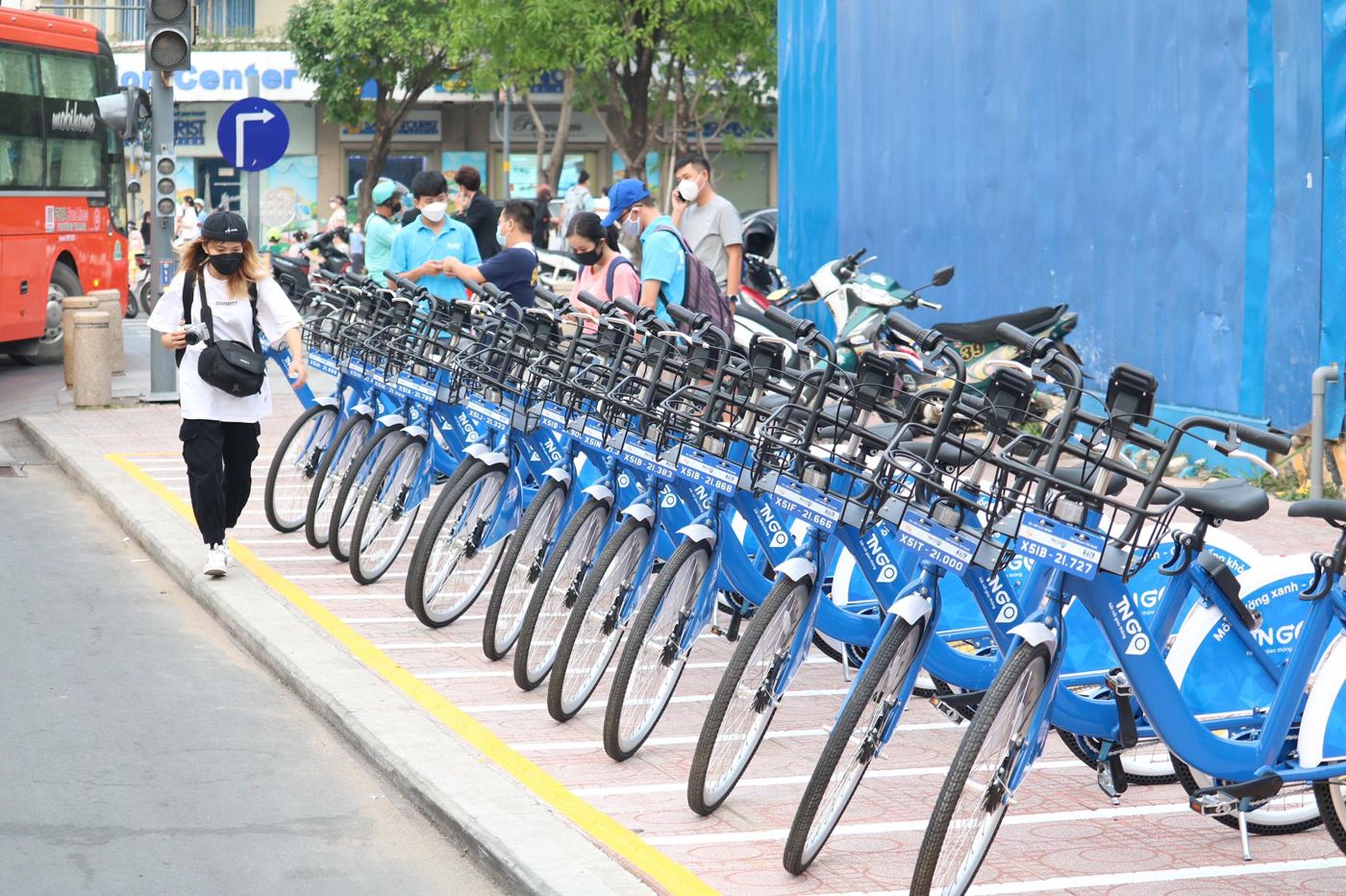
The best way to truly experience the captivating HCMC is on foot or by bicycle. Wander through the charming alleys and witness the city's dynamic energy at your own pace. Experience the ease and convenience of renting the TNGO public bicycle rental application, the latest trend in transportation for both locals and tourists. With affordable rates of just 5,000 VND per 30 minutes or 50,000 VND for a full day, you can effortlessly rent a bike and pay electronically.
2. Cyclo
Following that, hopping on a cyclo is a leisurely way to explore Ho Chi Minh's cityscape. Cyclos are a unique and traditional mode of transportation for short distances or sightseeing tours. Before you begin your ride, negotiate and agree on a fare with the driver. Riding a cyclo allows you to get up close and personal with the city's spirited energy, and engage with the local culture.
3. Vietravel's private car/bus
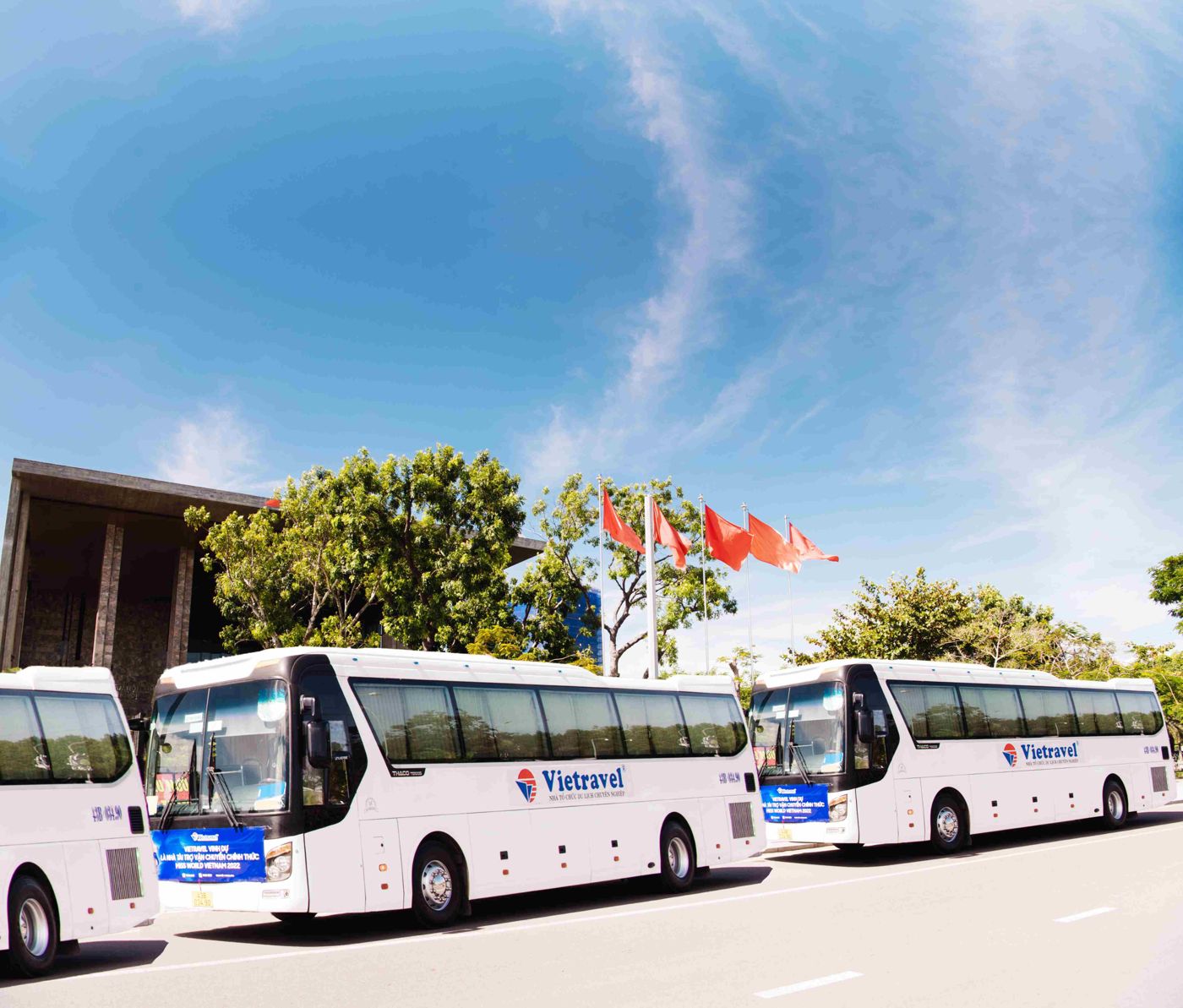
Furthermore, as you travel through the enchanting city of Ho Chi Minh, experience the pinnacle of convenience and customization with Vietravel's private car or bus services. Allow our knowledgeable drivers and passionate guides to whisk you away to renowned landmarks as well as mysterious gems, revealing the city's lively culture and storied history.
4. Motorbike/ Scooter
Similarly, as you ride a motorbike or scooter through the busy streets of HCMC, you can fully experience the exhilarating vitality of the metropolis. Embrace the freedom of two wheels and explore the city's hidden gems and iconic attractions at your own pace.
5. Waterbus
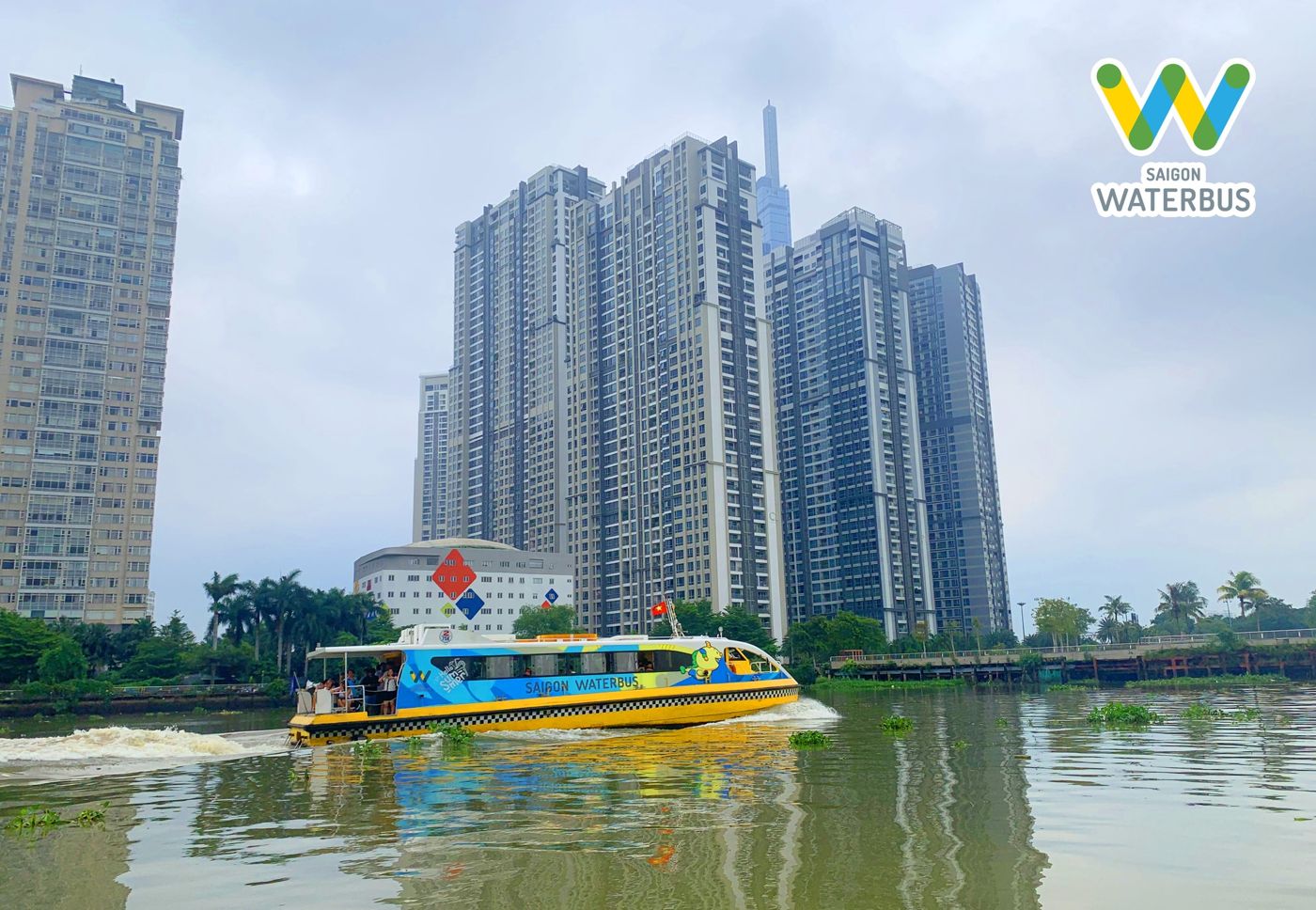
Moreover, board the waterbus on the picturesque Saigon River for a refreshing means of transportation in HCMC. While this transport type is still relatively new, its potential to alleviate the city's notorious traffic congestion is undeniable. The Saigon Waterbus currently has a single route that connects Bach Dang Station in District 1 to Linh Dong Station in Thu Duc City. Don't pass up the opportunity to experience this relaxing and convenient option.
6. Taxis
Last of all, a comfy way to get around Ho Chi Minh City is by taxi. It is readily available throughout the city, offering a hassle-free way to navigate its bustling streets. The dynamic destination has a variety of taxi companies, including reputable ones like Mai Linh and Vinasun. Taxis can be easily hailed on the streets or found at designated taxi stands.
Use the helpful advice in our Ho Chi Minh City travel guide to get around this impressive city. Find its hidden treasures and move through its streets like a seasoned traveler.
V. What to eat in Ho Chi Minh City? – Ho Chi Minh City travel guide
Welcome to the culinary paradise, where the cuisine flourishes. As you explore the buzzing streets of this food haven, you'll be immersed in a world of mouthwatering flavors and enticing aromas. Here are some must-try dishes from our comprehensive Ho Chi Minh City travel guide. Be sure to click through to the complete guide for more pictures and information.
1. Banh Mi – Vietnamese baguette
Firstly, prepare to be tantalized by the culinary masterpiece that is Banh Mi. Each bite is a harmonious blend of textures and tastes, from a crusty baguette to succulent Vietnamese pork sausage or tender char siu. Besides, the fried egg and pickled vegetables add a delightful tang, resulting in a truly unforgettable culinary experience.
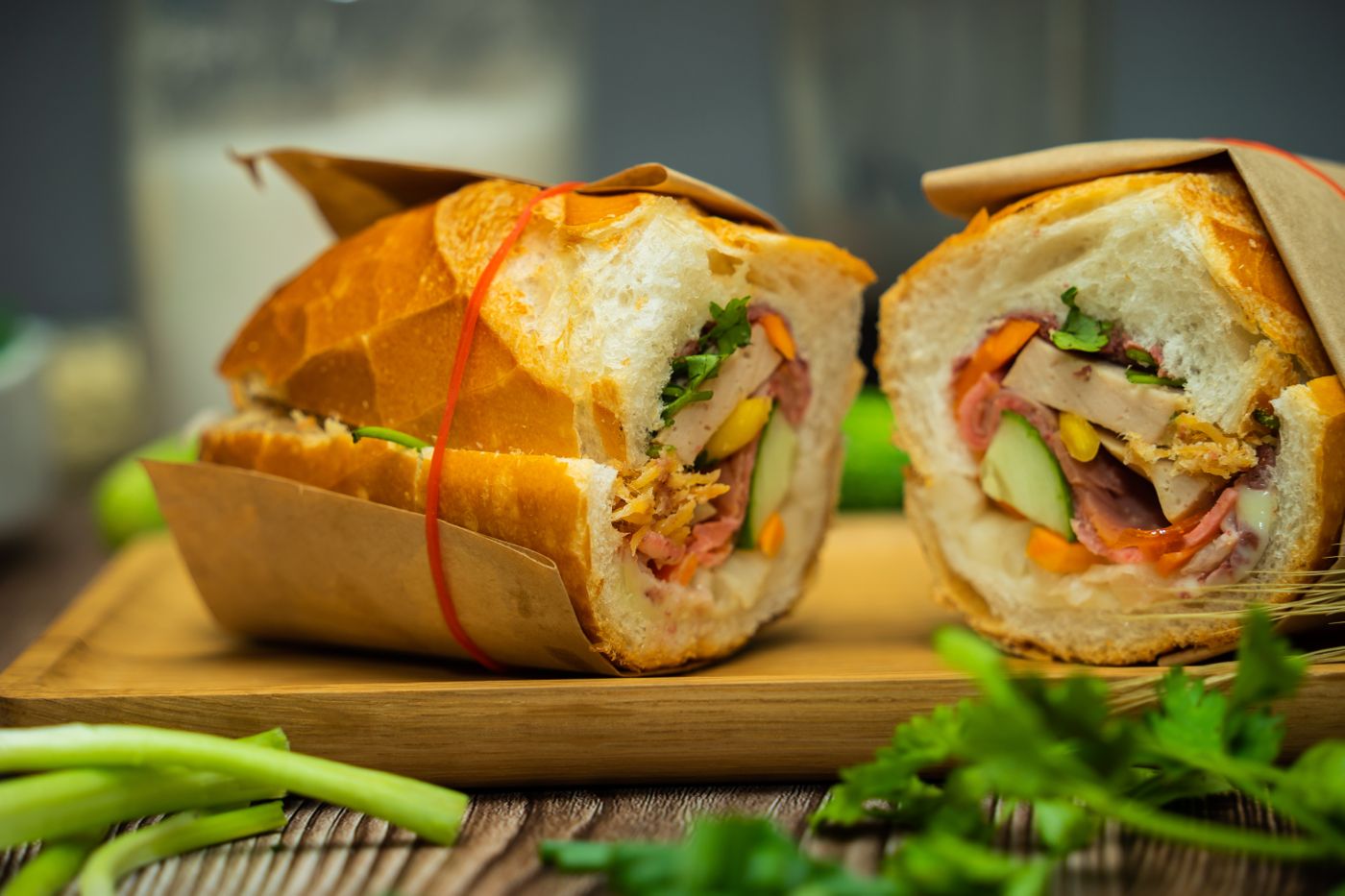
Don't miss Banh Mi Huynh Hoa (26 Le Thi Rieng Street) or Banh Mi Hong Hoa (54 Nguyen Van Trang Street) for an authentic and affordable experience.
2. Goi Cuon - Spring rolls
Secondly, enjoy the appetizing Goi Cuon (fresh spring rolls), a delectable combination of vegetables, rice noodles, and succulent pork and shrimp. Dip these rolls into the tangy peanut sauce for a flavor explosion. Don't miss Saigon Goi Roll Restaurant, where you can relish the amazing taste of this tasty snack for just 5,000 VND - 7,000 VND per roll.
3. Com Tam Sai Gon – Sai Gon-style broken rice
Thirdly, for a culinary adventure, savor the quintessential Com Tam Sai Gon - a plate of fragrant broken rice paired with succulent grilled meats, pickled vegetables, and a drizzle of flavorful fish sauce. Head to Tan Thuan Bridge's broken rice restaurant, a popular spot among locals, to enjoy the essence of Southern cuisine at prices ranging from 35,000 VND to 50,000 VND. Additionally, you can try Com Tam Bui Saigon or Com Tam Moc for a delicious plate of Com Tam at reasonable prices.
4. Bun Bo Hue - Beef Noodle Soup
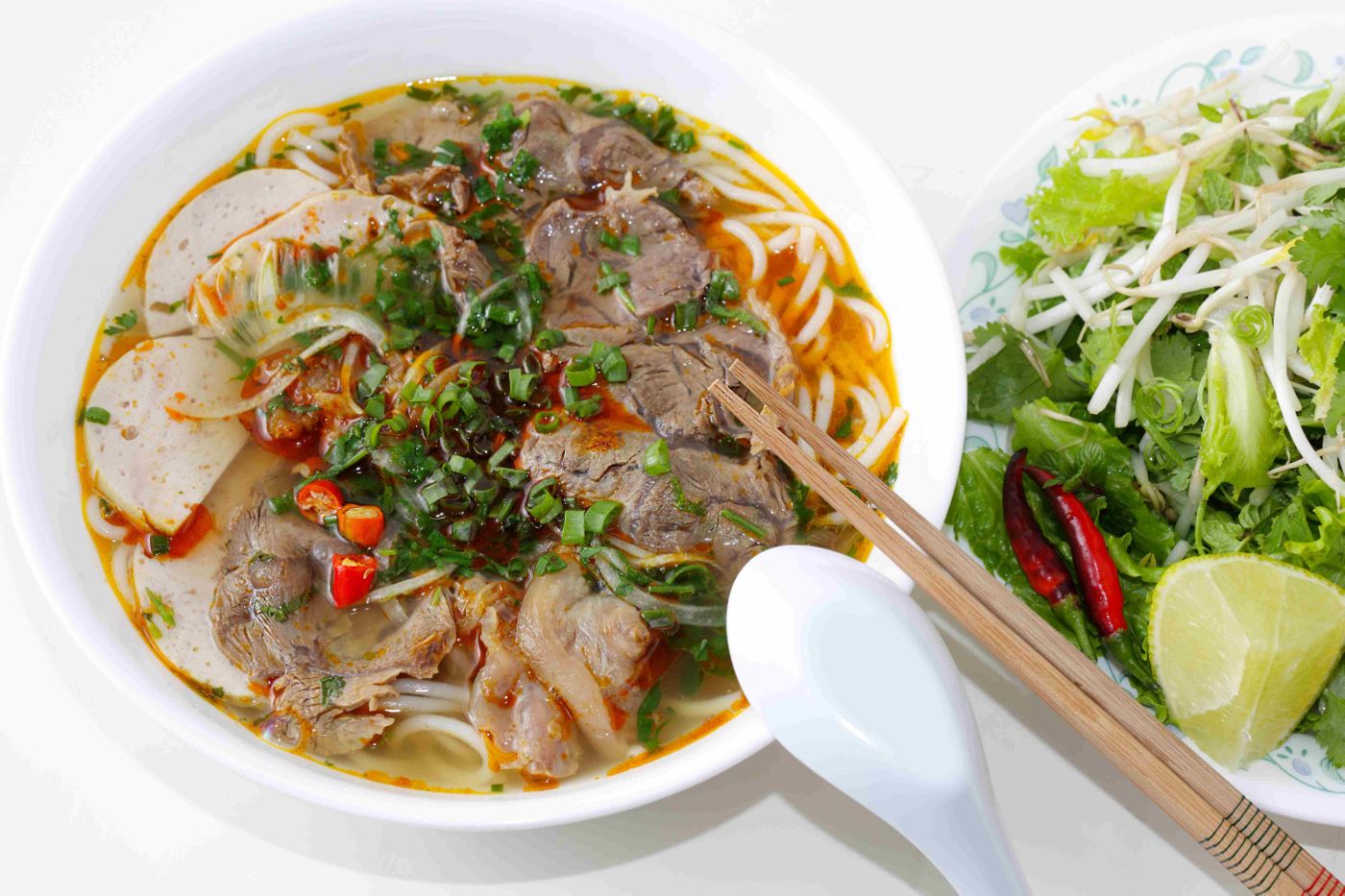
Similarly, indulge in the flavors of Ho Chi Minh City with a bowl of Bun Bo Hue, a must-try dish that traces its roots back to the ancient capital of Hue, but it’s widespread and highly enjoyed in this Southern metropolis. A harmonious symphony of tastes is created by thick and cylindrical rice noodles, tender beef, aromatic herbs, and a savory broth. Discover regional specialties such as Bun Bo Ganh and Bun Bo Hue 3A3, where each bowl is a culinary masterpiece. Take in the vigorous street food scene while enjoying every delicious bite of Bun Bo.
5. Xoi Sai Gon – Steamed Sticky Rice
Finally, you shouldn’t miss trying Steamed Sticky Rice (Xoi), a beloved culinary gem in Vietnam known for its affordability, delectable flavors, and ease of preparation. Ho Chi Minh City has a plethora of Xoi stalls strewn about its streets. These time-honored establishments, some of which have been in operation for over 50 years, provide a nostalgic taste of tradition. Among them is the iconic Tam Cau stall, which has served steamed sticky rice wrapped in odorous banana leaves and topped with mouthwatering ingredients and a special black sauce for over six decades.
These are just a few of the enticing dishes available in our extensive Ho Chi Minh City travel guide. Set out on a culinary adventure in the “Ancient Pearl of the Far East” with Vietravel today and discover a world of tantalizing delights and unforgettable culinary experiences.
In conclusion, don't let any apprehension hold you back from discovering the marvels of HCMC. As your trusted local companion, Vietravel provides warm companionship, well-informed guides, first-rate transportation, and meticulously planned itineraries, ensuring a journey that is not only hassle-free but memorable.
Plan your Ho Chi Minh City adventure here.
As the Largest Aviation-Tourism corporation in the country, Vietravel consistently provides high-standard services at the most competitive prices so that you can discover the beauty of not only Vietnam but all of Southeast Asia.
Please contact us for more information
Vietravel – Asia’s Leading Tour Operator
Hotline: (84) 35 235 61 61
Email: [email protected]
Website: www.vietravelasia.com
#VietravelAsia #Vietravel #Vietnam
Top 7 bakeries in Ha Noi, Vietnam
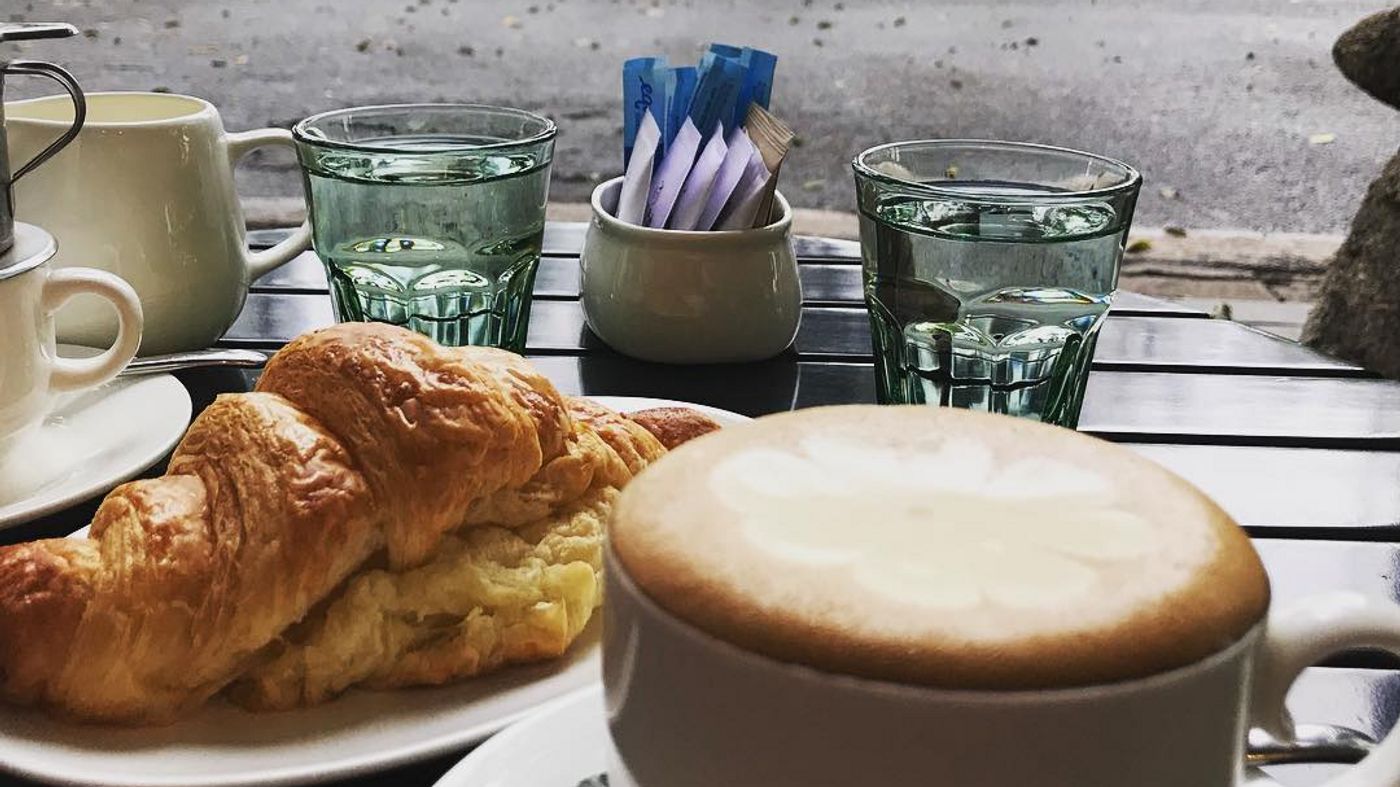
Anyone sporting a sweet tooth does not have to look hard to find a tasty bakery in Ha Noi. The irresistible aroma of freshly baked bread, pastries, cakes, and more can be found around every corner in the city. Check out the top 7 bakeries in Ha Noi!
S’patisserie
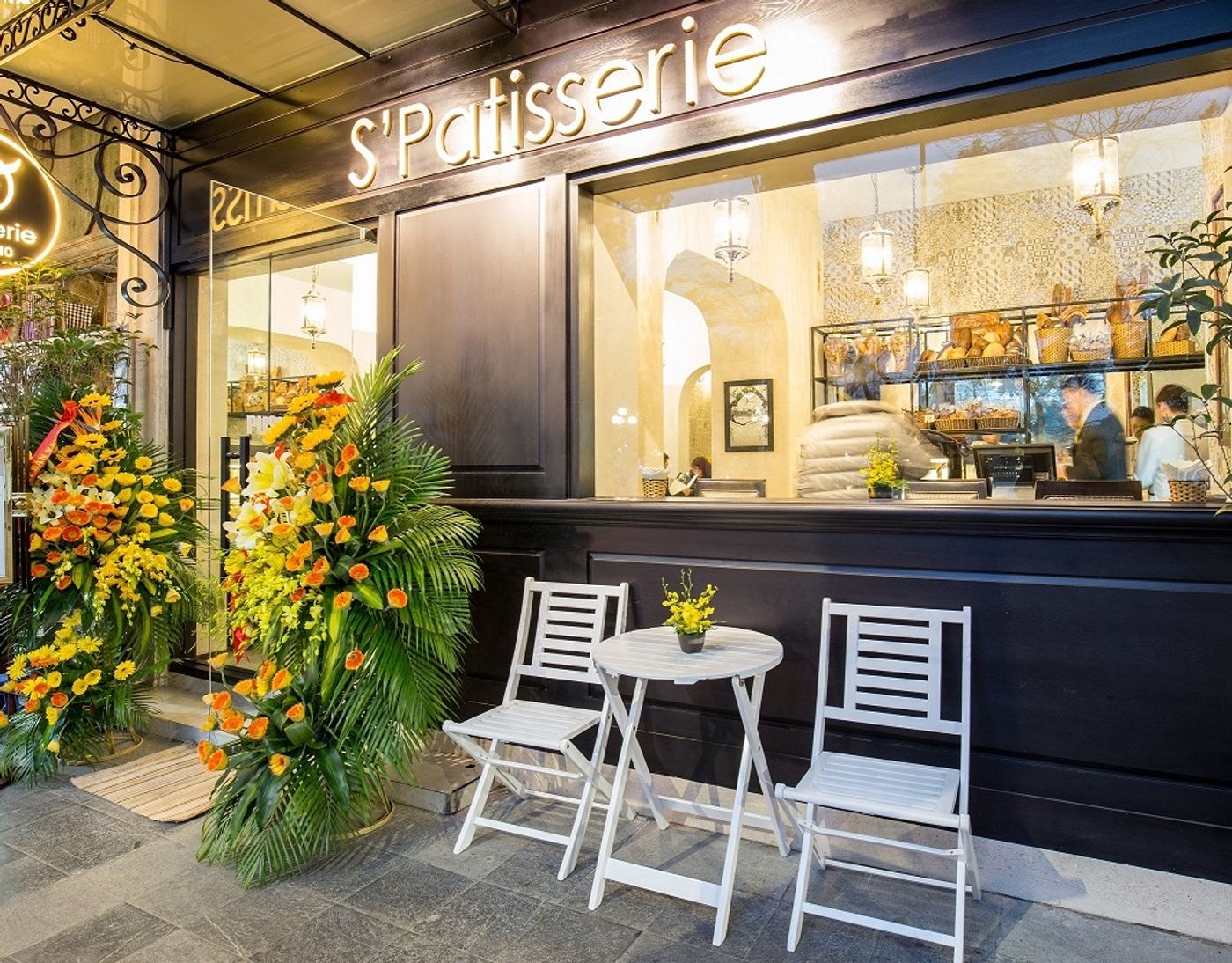
S’Patisserie is a stylish bakery with a stunning view of Hoan Kiem Lake. Owned by the Silk Path Hotel, this bakery aims to deliver tasty, quality desserts and uses organic ingredients whenever possible. Their indulgent cakes and delicious lunch menu invite a regular crowd of hungry patrons. This is the perfect place to enjoy a meal and delightful dessert while seeking refuge from the hot Hanoi air.
Address: 17 Hang Khay, Trang Tien, Hoan Kiem, Ha Noi
Joma Bakery Cafe
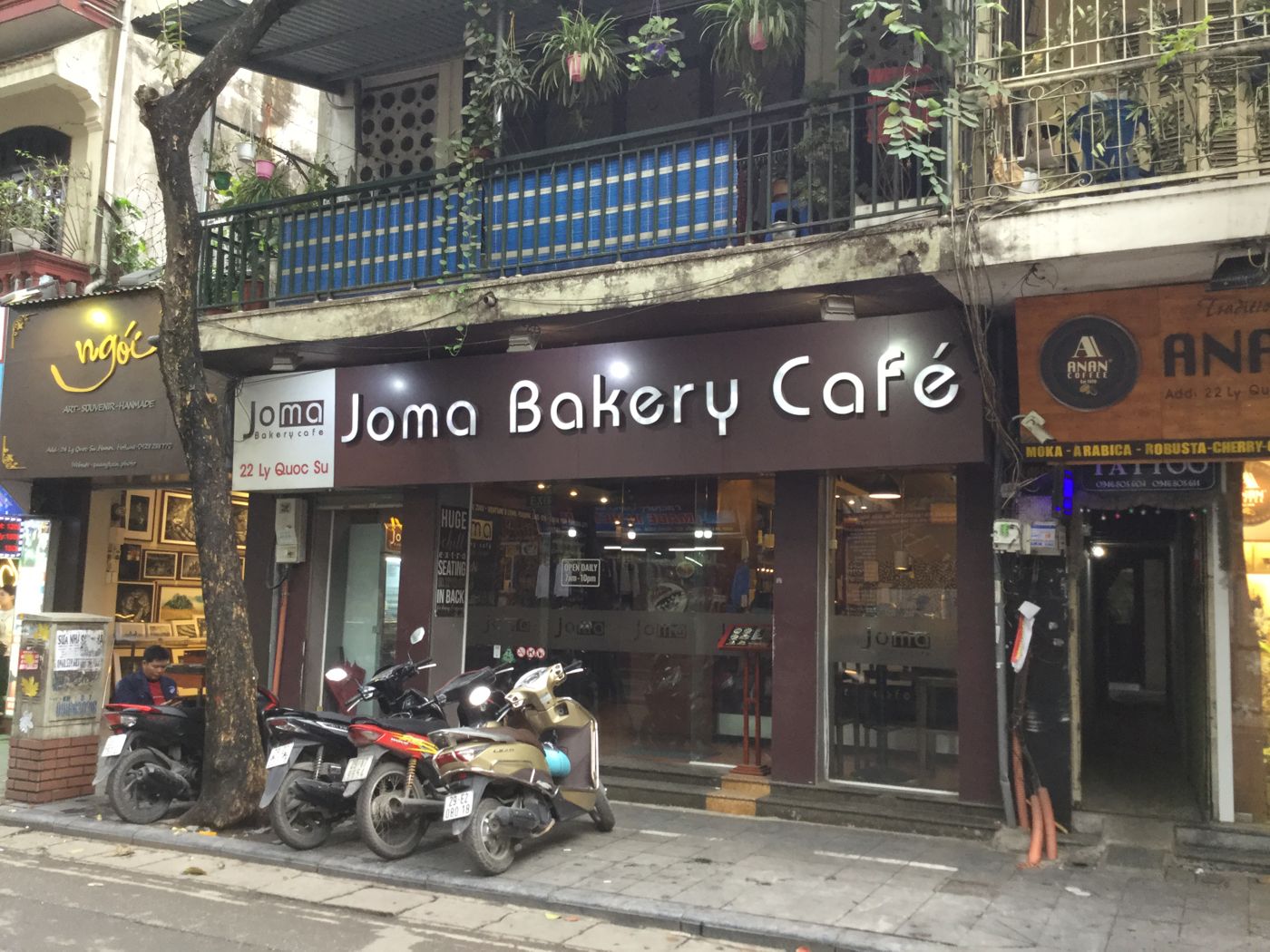
This bakery is owned by Canadian, it does not only offer the high quality and delicious menu but also dedicate 10 percent of its profit for the organization of the city. Their cafe is organic, fair-trade and for Canadians who would like to find themselves in Ha Noi. If you are looking for breakfast, let's try French toast which is topped with fresh mangoes and whipped cream.
Address: 22 Ly Quoc Su, Hang Trong, Hoan Kiem District, Ha Noi
The Note Coffee
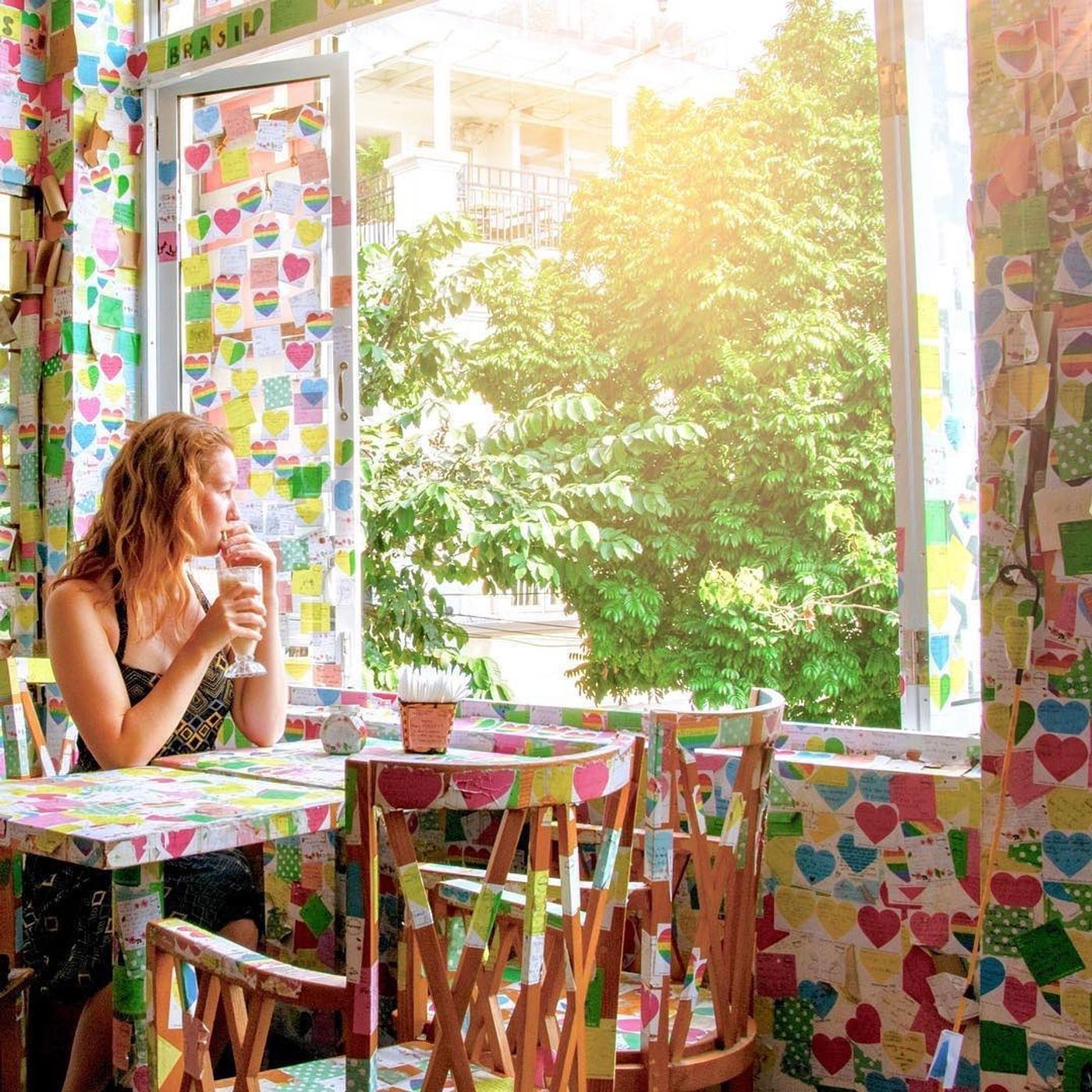
This is a small shop with a stunning view of Hoan Kiem Lake in the morning. The egg coffee is served here, it is a special coffee that begins in Ha Noi and nowadays, it is served in many other places in Vietnam. Not only offer a delicious menu but also the beautiful and cozy place for visitors with chairs, walls, ceilings, floors which are covered with the heartwarming notes.
Address: 64 Luong Van Can, Hang Trong, Hoan Kiem
O'Douceurs
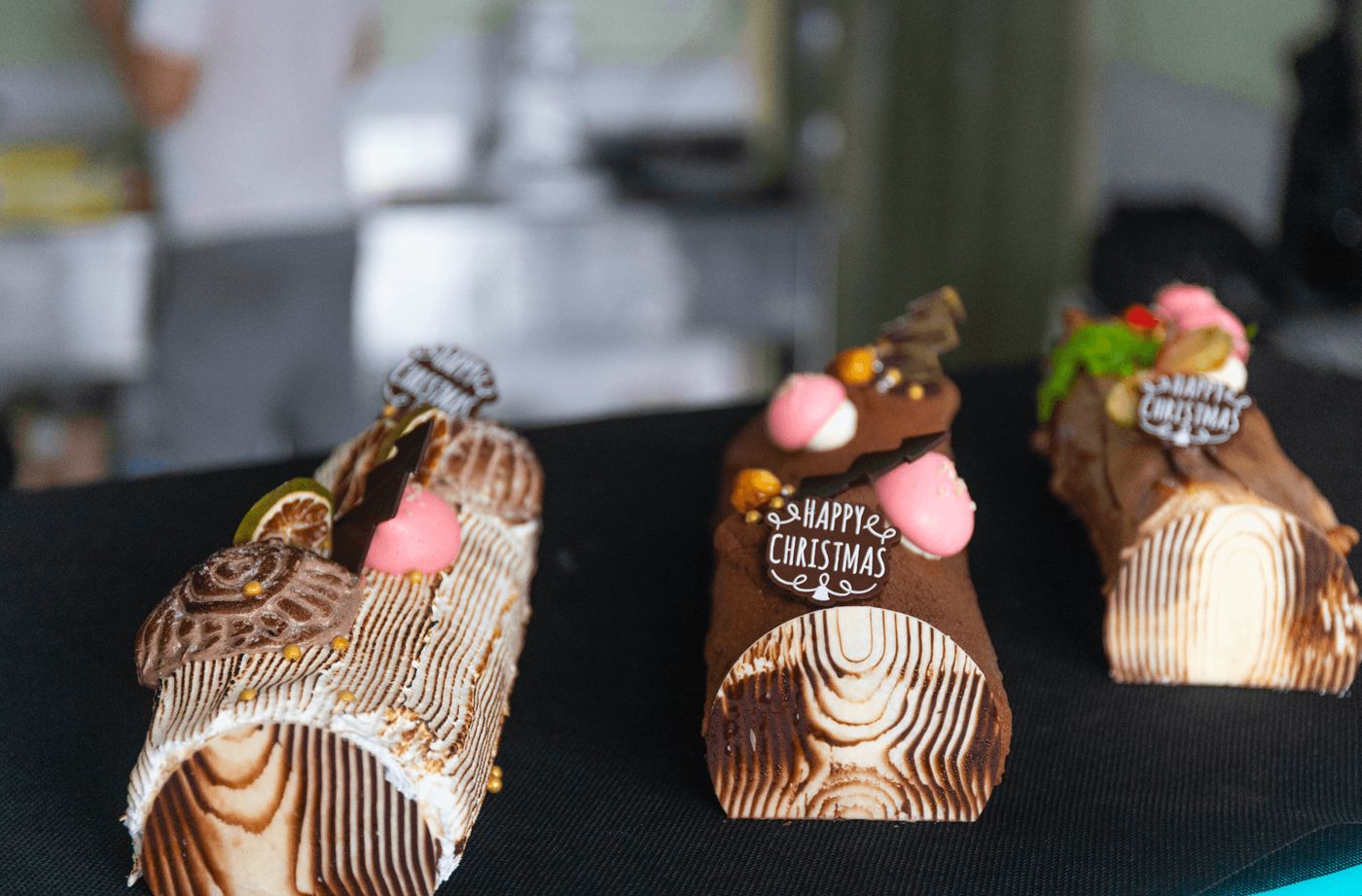
O’Douceurs has become one of Ha Noi’s most beloved local bakeries since its debut in 2014. It is owned by French Pastry Chef Silen Garrigues, who wanted to bring French quality baked goods to Vietnam. He has definitely delivered, his cakes, truffles, and other fresh delicacies charm tourists and locals alike. Discover this small but cozy bakery and enjoy a fluffy, buttery pain au chocolate with a savory specialty coffee.
Address: 91 Tran Hung Dao, Cua Nam, Hoan Kiem, Ha Noi
King Roti
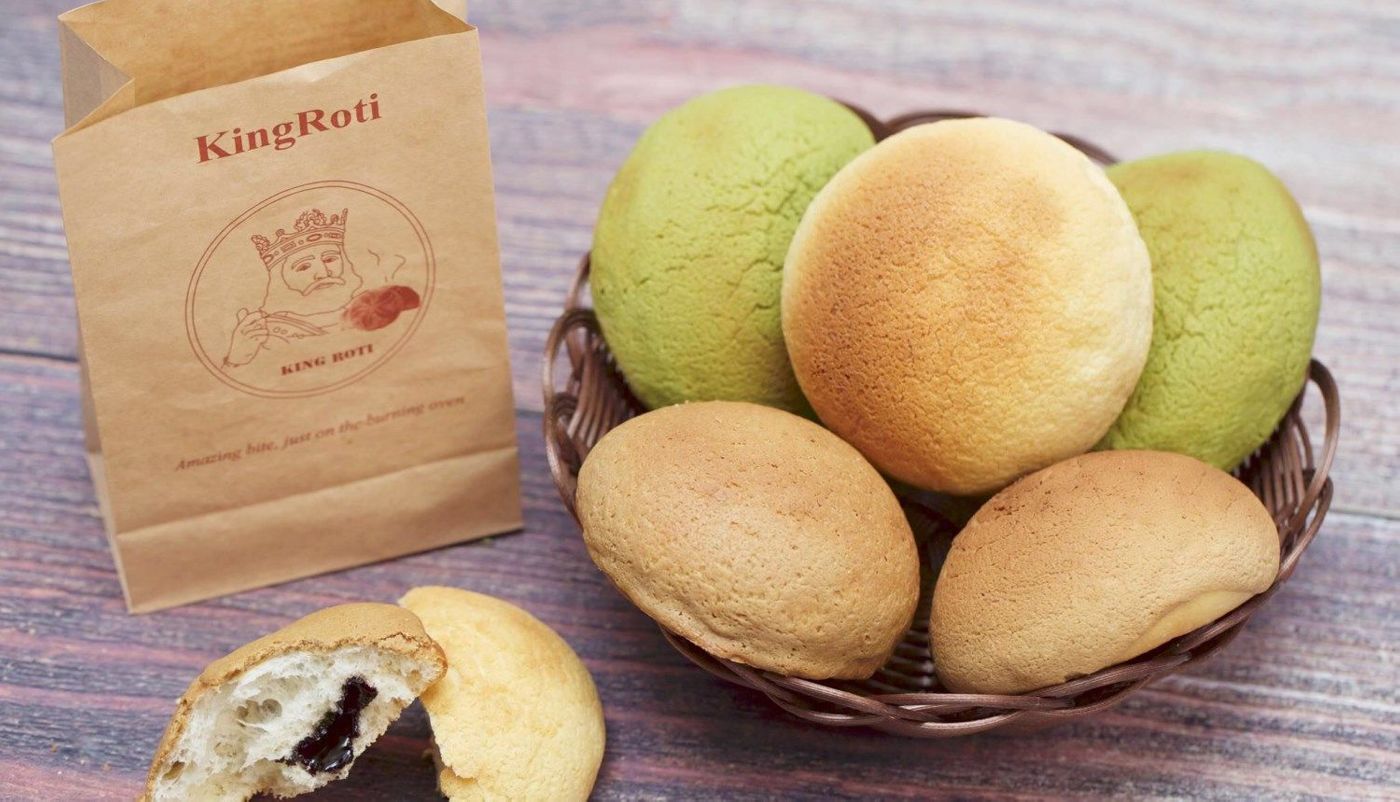
King Roti is a pop-up bakery in Ha Noi’s Hoan Kiem District. Their simple menu consists of four different flavors of roti buns, vanilla, green tea, classic coffee, and chocolate. The menu may not sound like much, but these irresistible buns have generated hundreds of obsessed fans throughout the city. Crispy on the outside yet moist and warm on the inside, each bun is served to eager customers’ right out of the oven.
Address: 34 Hang Gai, Hoan Kiem, Ha Noi
Madame Huong
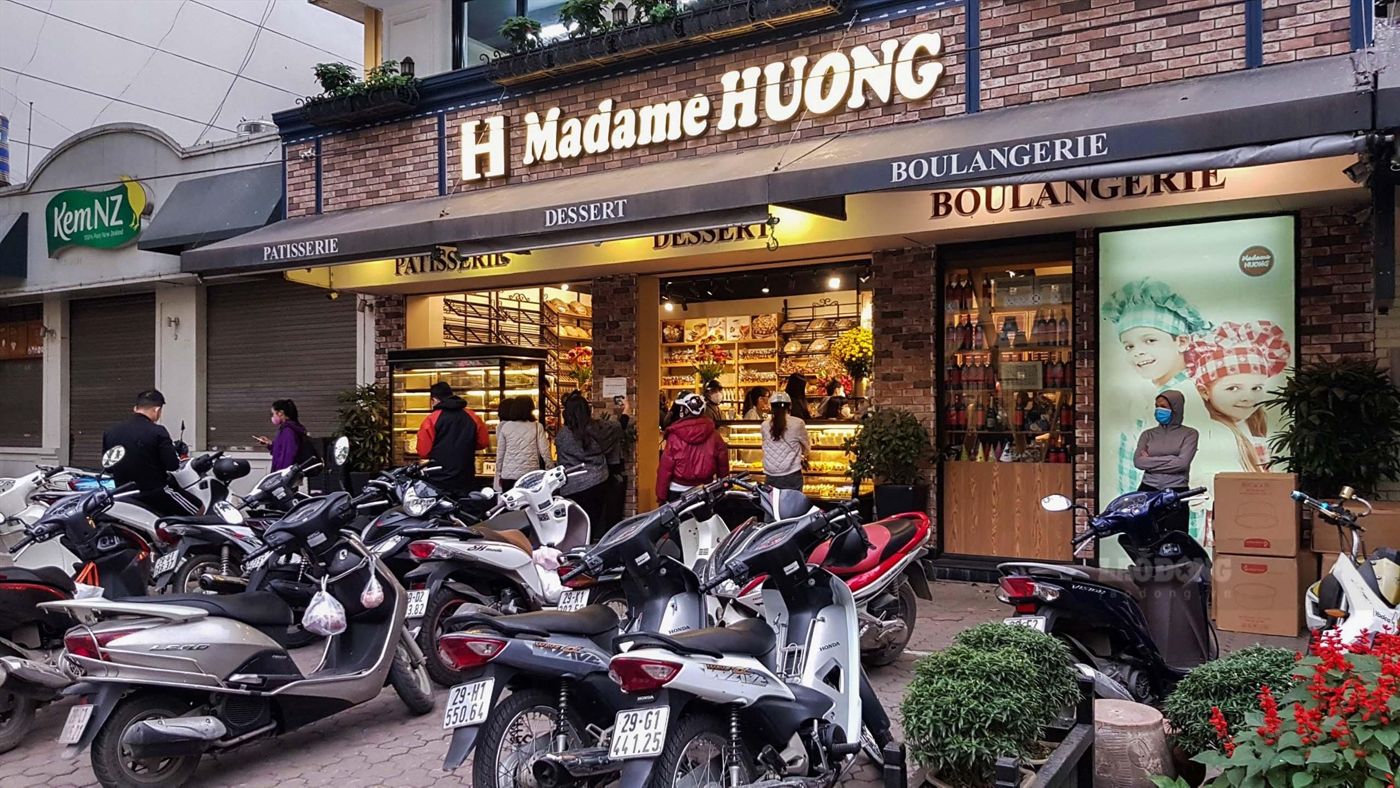
Madame Huong is a delicious bakery known for its Vietnamese specialty cakes that are popular during Tet, the Vietnamese Lunar New Year. This bakery specializes in various types of traditional Vietnamese cakes such as a mooncake, a thin layer of pastry that is wrapped around a dense, semi-sweet filling of either mung bean or lotus paste. Aside from the pleasant local desserts, Madame Huong offers other fresh breads, cakes, pastries, and more. Do not miss the rich chocolate éclairs or the incredible crème brûlée.
Address: 39 Ly Thuong Kiet, Hang Bai, Ha Noi
Saint Honore Ha Noi
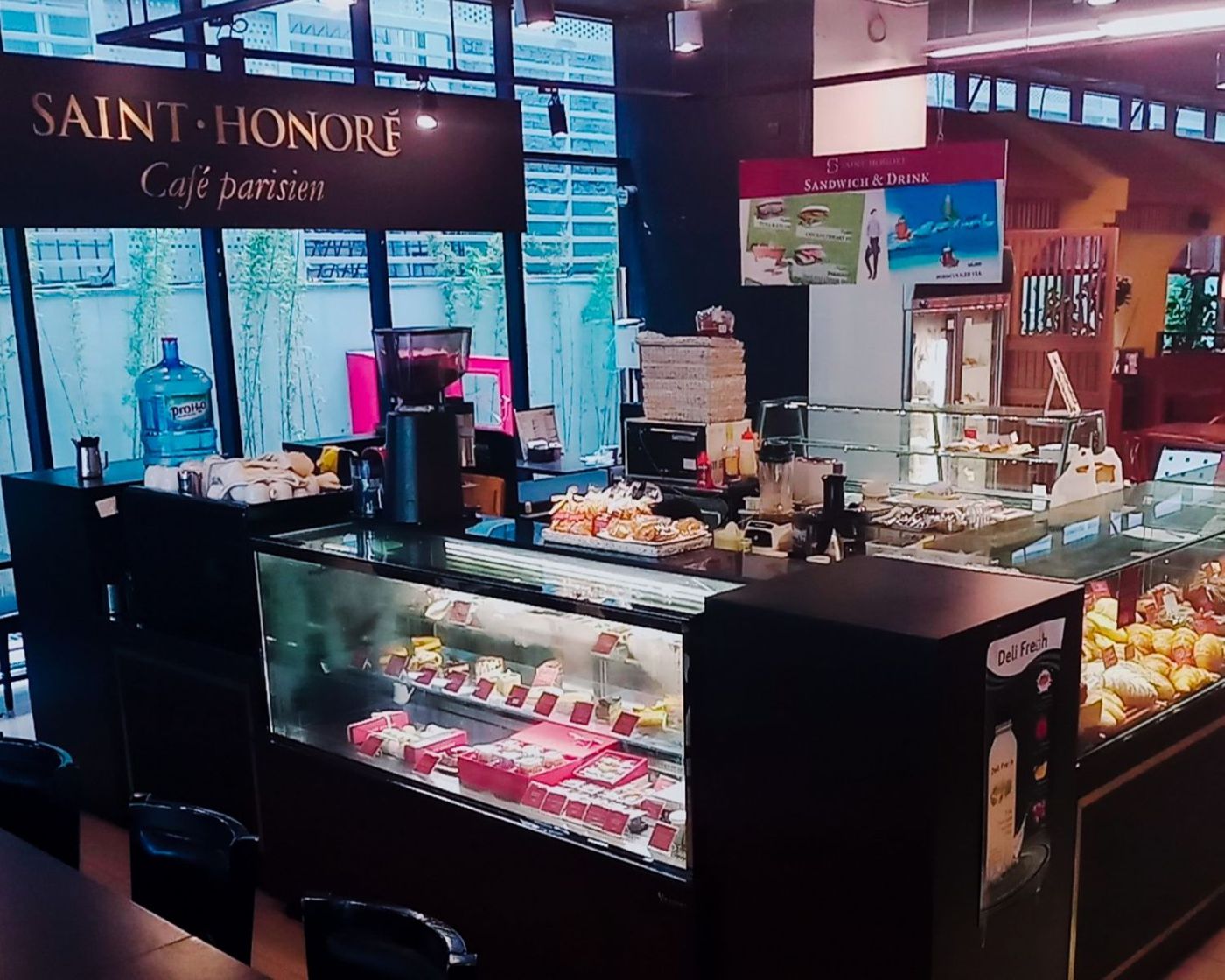
Saint Honore is a popular bakery that serves a wide variety of top-quality menu items to hungry customers. Their gourmet meals, cheeses, and tempting pastries are slightly more expensive than other local dishes, but the outstanding taste and excellent service make them well worth it. Try the sweet yet refreshing passionfruit cheesecake or one of their buttery, melt-in-your-mouth scones next time you find yourself in Ha Noi’s Tay Ho District.
Address: 5 Xuan Dieu, Tay Ho, Ha Noi
Source Internet
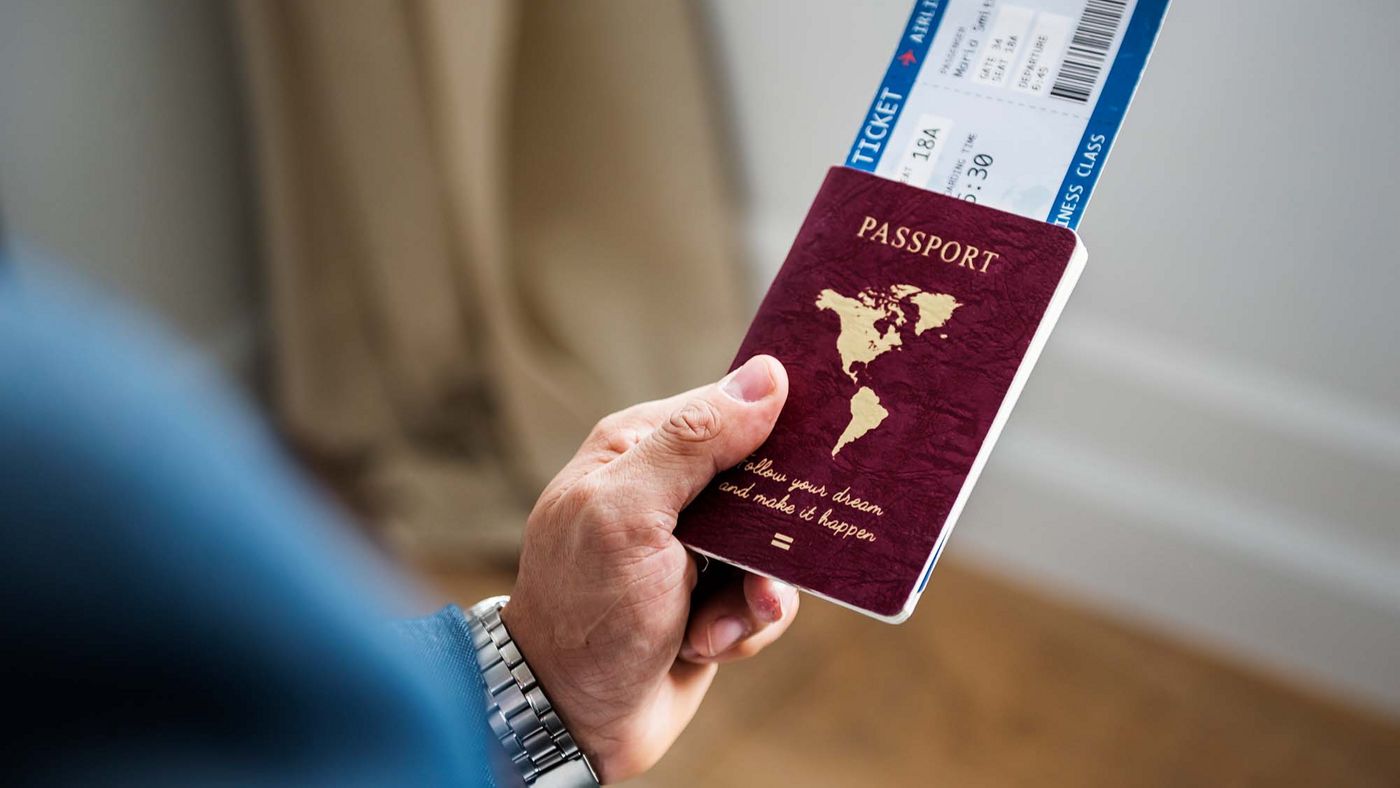
All You Need To Know About Vietnam Visa
Venturing into the captivating land of Vietnam has just become more straightforward. As travel enthusiasts and globetrotters set their sights on this mesmerizing nation, understanding the ins and outs of visa application methods is paramount. In this comprehensive guide, we unravel the diverse avenues available for obtaining a visa to Vietnam, ensuring that your journey begins with the utmost convenience.
1. Vietnam Visa Exemption List
As of 2023, citizens from 25 selected countries can visit Vietnam without needing a visa. All you need is a valid passport with at least two blank pages for stamps. You can check if your country is on the visa-free list below. However, if your country isn't on the list, you'll have to get a visa to enter Vietnam.
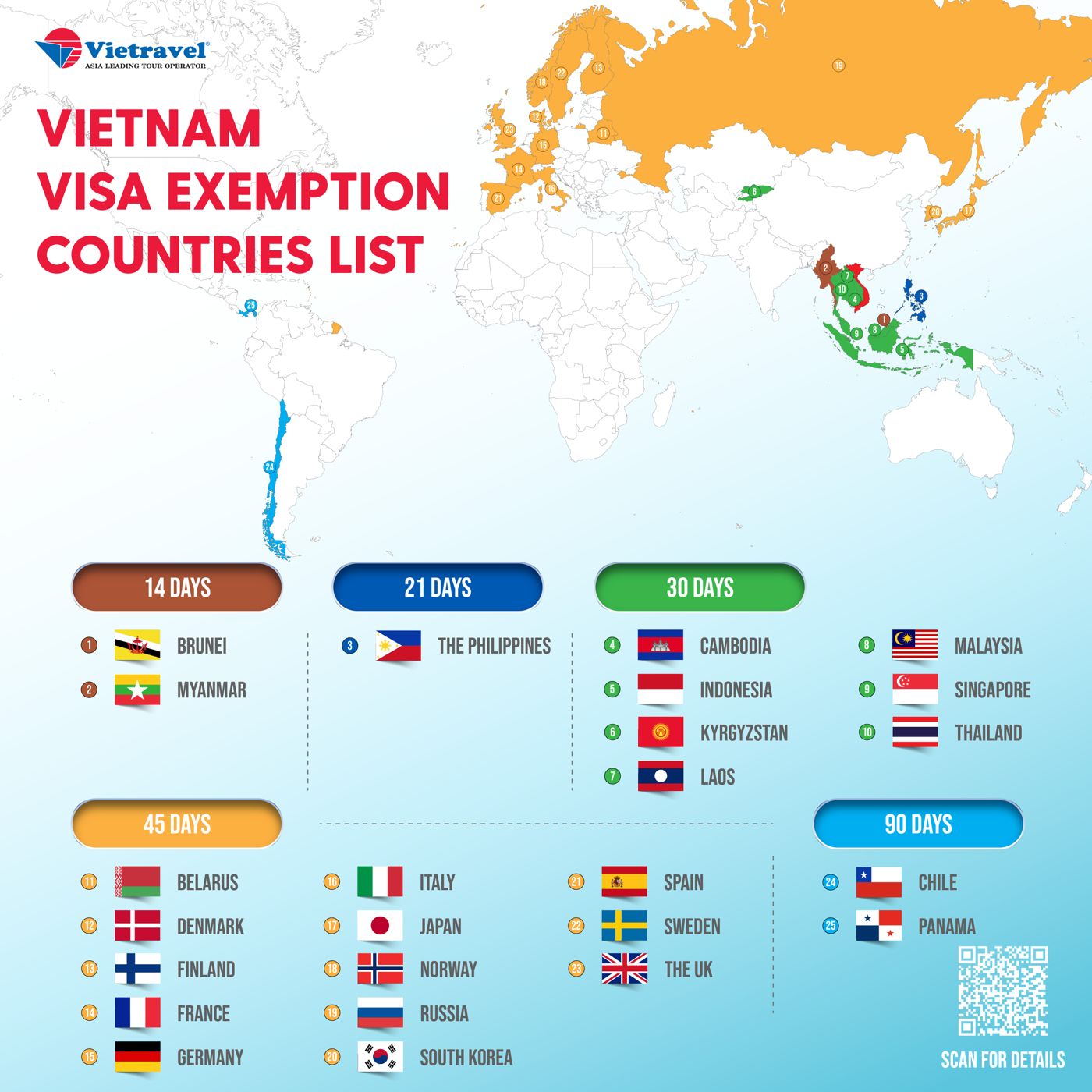
Check for: Vietnam Travel Guide 2023
2. How to Apply for Vietnam
If you're not among the lucky ones benefiting from Vietnam's visa exemptions, there's no need to fret. This guide presents you with three accessible and efficient avenues to secure your Vietnam visa.
2.1. Vietnam E-visa
Starting from August 15, 2023, Vietnam has introduced an innovative electronic visa (e-visa) system applicable to individuals of all nationalities.
Tap for more information about Ninh Binh Travel Guide
Vietnam's e-Visa process is a simple and user-friendly way to get a visa online. The whole process, from applying and paying to receiving the visa, happens online and takes just three business days.
a. Vietnam e-Visa Requirements:
- A passport with six (6) months of validity
- A photo in .jpg format of your full passport data page
- A passport photo in .jpg format (4x6, white background, without glasses)
- A valid international credit or debit card
- An email address for support purposes
- A temporary address in Vietnam
- Your entry and exit dates and entry and exit points/airports
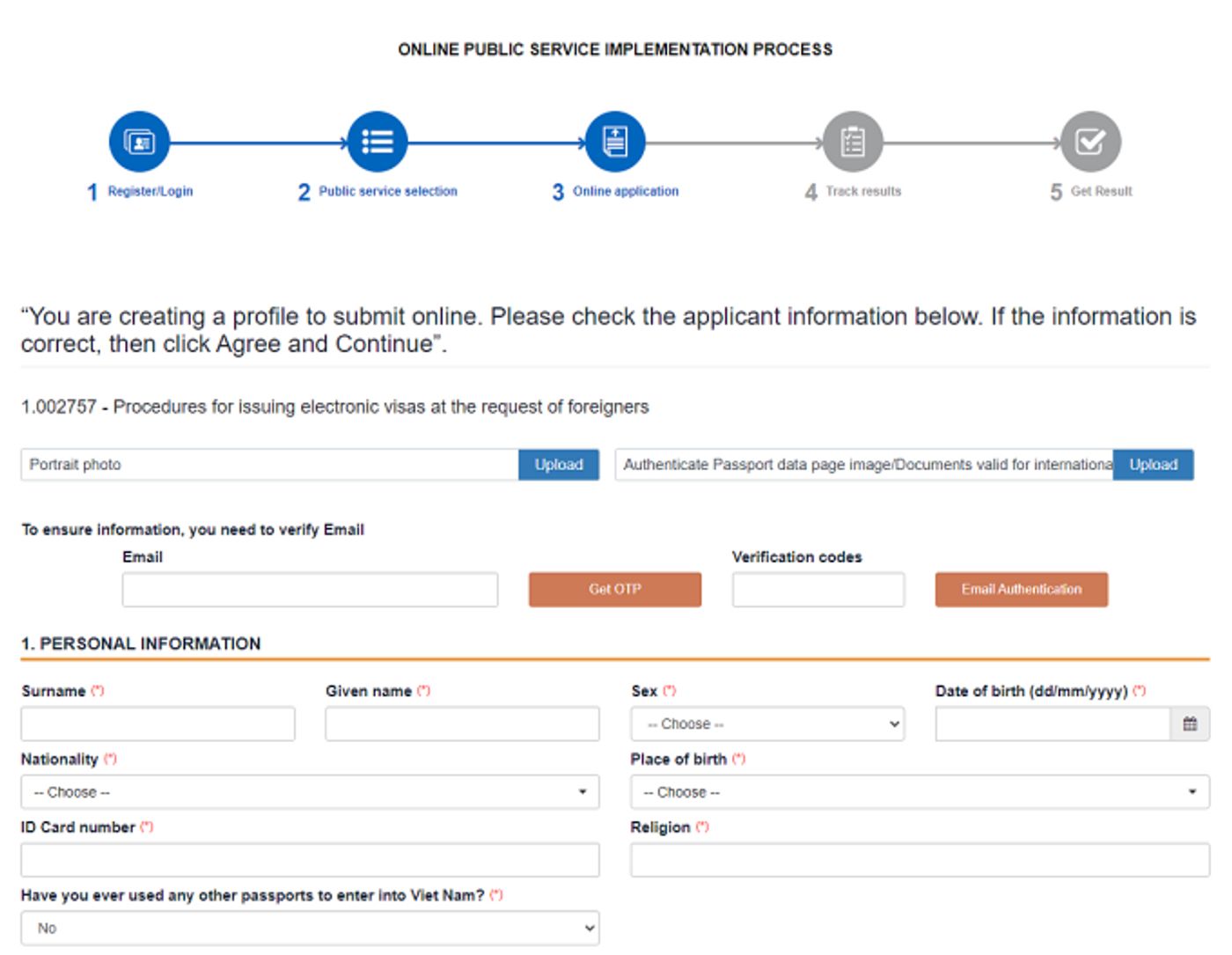
b. How to Apply for Vietnam’s e-Visa
Step 1: Access the Official E-Visa Portals
Visit either of these official e-visa portals to initiate the application:
Vietnam Immigration Department's portal
Ministry of Public Security's National Public Service Portal
Step 2: Provide Trip Details
Enter your intended entry date, stay duration, chosen entry and exit points, and temporary address in Vietnam.
Step 3: Choose Visa Type
Select a single-entry or multiple-entry visa within the application form.
Step 4: Upload Passport Information
Upload images of your passport data page and passport photo
Step 5: Submit the Application
After completing the form and uploading documents, submit the application.
Step 6: Pay the Visa Fee
Once submitted, you'll receive an electronic dossier code. Pay the $25 fee for a single-entry visa.
Step 7: Track Application Status
Monitor progress using the provided code on the e-visa portal.
Step 8: Await Visa Issuance
Expect the e-visa in around three working days. After three days, you may search for your visa at this link.
Step 9: Entry Through Designated Checkpoints
The e-visa permits entry at 29 international checkpoints, including 13 airports. View the list here.
2.2 Visa on Arrival / at Vietnam Diplomatic Missions with Approved Visa Letter
An Approval Letter is a letter issued by Vietnam Immigration Department that allows you to enter and exit Vietnam for a given time period (1 month or 3 months – single/multiple entries). With the approval letter, you can pick up your visa upon arrival at one of eight international airports in Vietnam (Hanoi, Ho Chi Minh City, Da Nang, Hai Phong, Khanh Hoa, Can Tho, Dalat, and Phu Quoc) or at the Vietnam Embassy/Consulate in your country.
If you book tours with Vietravel, we will support you get this Approval Letter with a service fee. In case your application is denied by Vietnam Immigration Department, we will refund this service fee. Processing time: 7 working days or more depending on your nationality.
Please note: The Embassy reserves the right to request further information and documentation from applicants and to deny approval for any visa application without necessarily providing an explanation for visa denial.
- For Visa On Arrival: At the airport, the corresponding authorities will verify the details on the approval letter based on your passport and travel documents for you to get Visa Stamped (fee: $25) on your passport.
- For getting Visa at Vietnam Embassy: At a Vietnam Embassy/Consulate, the visa procedure will take around 7 days to process. Visa fees will depend on the type of visa for which you are applying. Travelers can get their visas processed at any Vietnam Diplomatic in any country to enter Vietnam for tourism.
Check for: Ho Chi Minh City Travel Guide
Vietnam Approval Visa Letter
To get a Vietnam visa on arrival at Vietnam Diplomatic or the airport, travelers will need to obtain a visa approval letter beforehand, then get on the flight to Vietnam and get a visa stamped upon landing at Vietnam airport.
Details about the procedure for getting a visa on arrival in Vietnam airports and how to pick up a visa on arrival at each airport.
- Prepare documents before getting a visa at the airport as below
- Original passport (being valid for at least 6 months following your date of entry and having at least 2 blank pages)- The visa approval letter (printed on paper already)
- The Vietnamese visa Application Form (Form N1 – also known as the entry and exit form) with completed information and attached photo already.
- You can find and get it at Immigration Office at the airport, this form is attached together with the visa approval letter, find the guide to complete Form N1.
Vietnam visa photo at the airport, the photo size, and requirements:
- The 2 photos size should be 4 x 6 cm (standard Vietnam photography size) or 2 x 2 inches.
- The photos should be identical, taken within the past 06 months.
- The photos must be in color and printed on bond paper or professional photo paper.
- They must be full face, front view with a solid, plain bright background.
- A hat or headgear must be kept out unless it must be worn for religious purposes.
- The outfit with the exception of religious attire should not be worn.
- Dark glasses or nonprescription glasses with tinted lenses are not acceptable unless required for medical reasons. In some exceptional cases, consistent objects like prescription glasses, a hearing device, a wig, or similar items are still accepted.No smile. Just keep a neutral expression.
Stamping fee (25$/person using a 1 or 3-month single entry visa, and 50$/person using a 1 or 3-month multiple entry visa)
Note: The international airports of Vietnam work 24/7, so you can get your visa stamped at any time of landing.
Tap for more information about Hoi An Travel Guide
Whether you choose tradition, online efficiency, or visa on arrival, accessing Vietnam has never been more accessible. Unveil the country's enchanting landscapes and cultural treasures without the hassle.
--------------
As the Largest Aviation-Tourism corporation in the country, Vietravel consistently provides high-standard services at the most competitive prices so that you can discover the beauty of not only Vietnam but all of Southeast Asia.
Please contact us for more information
Vietravel – Asia’s Leading Tour Operator
Hotline: (84) 35 235 61 61
Email: [email protected]
Website: www.vietravelasia.com
#VietravelAsia #Vietravel #Vietnam
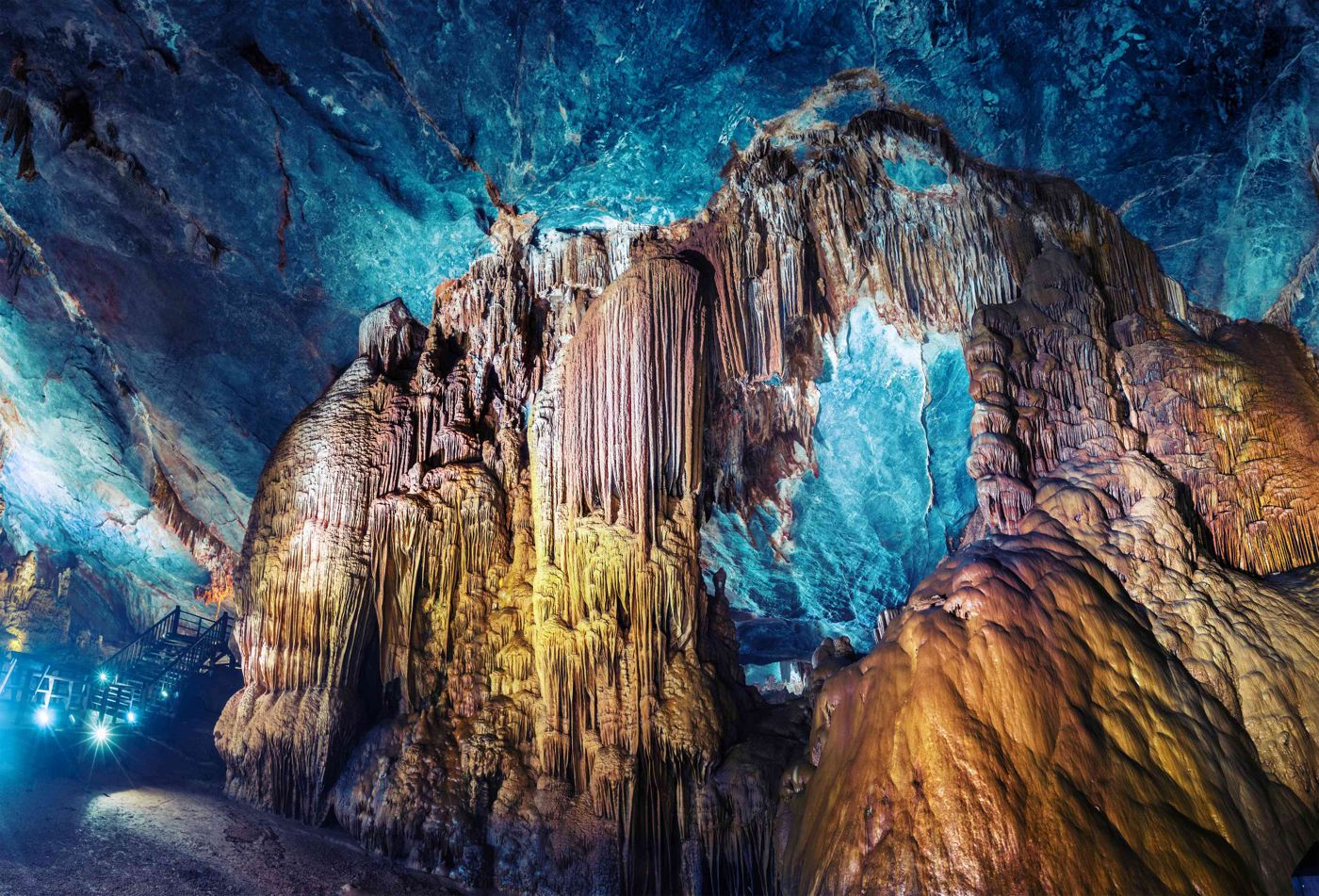
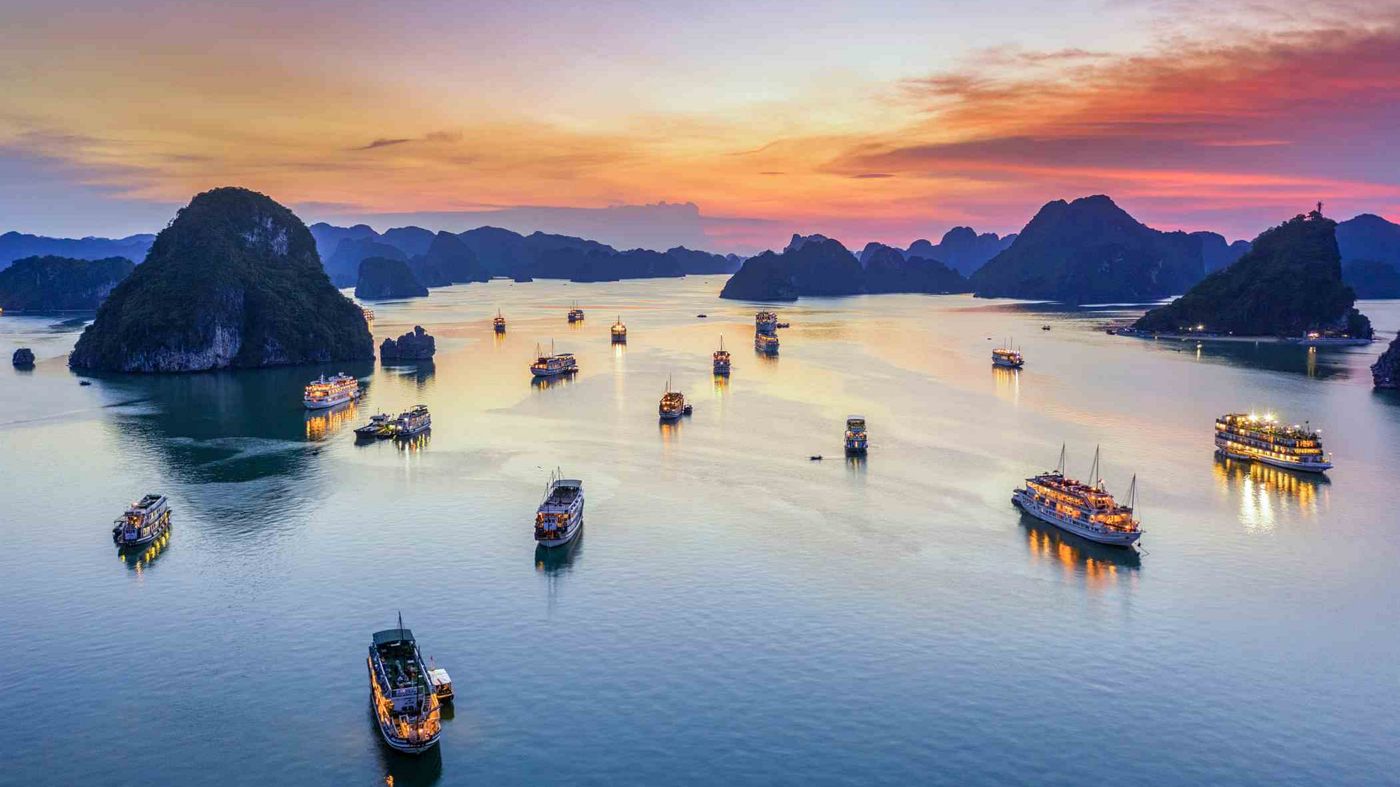
An introduction to Ha Long, Vietnam
Location
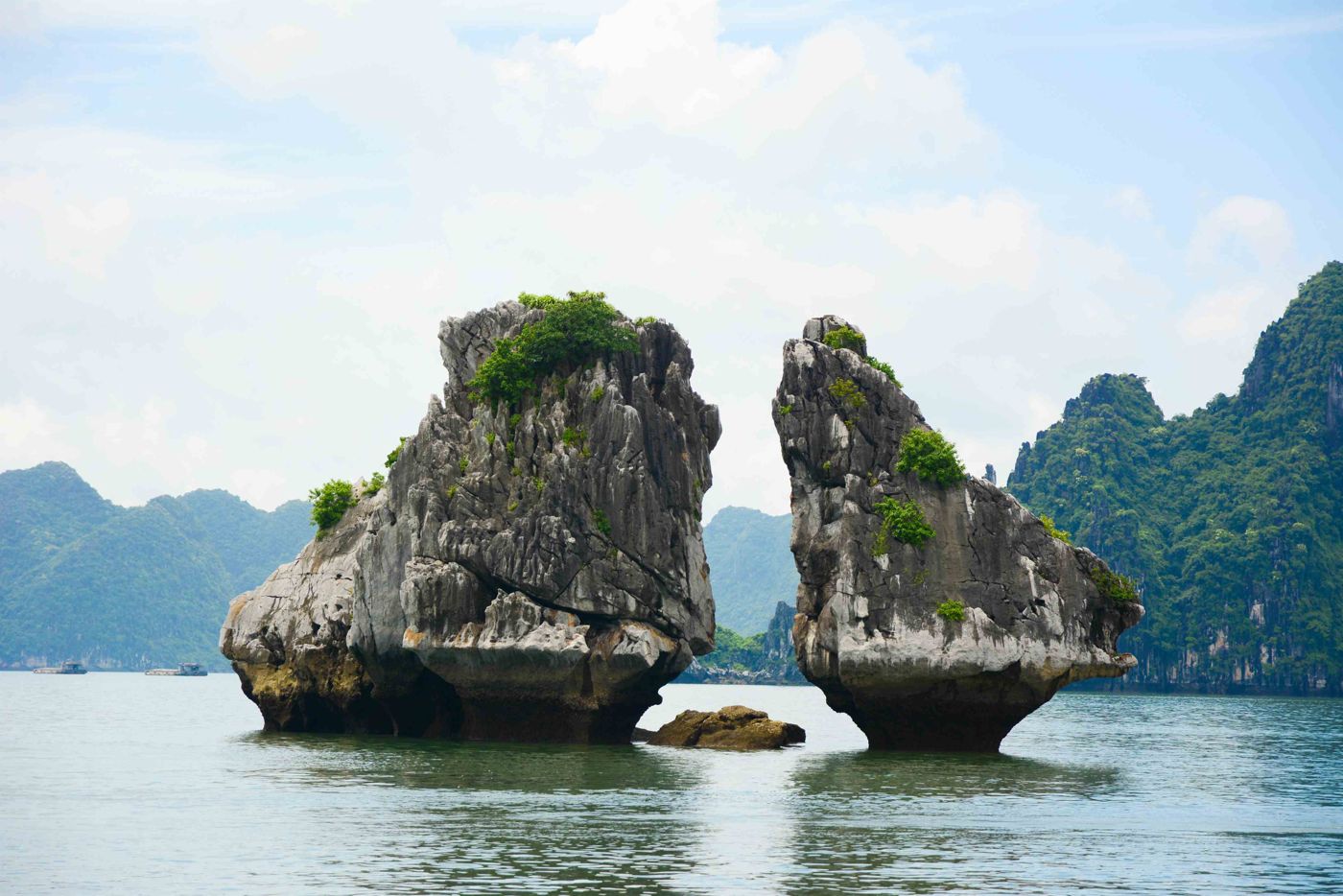
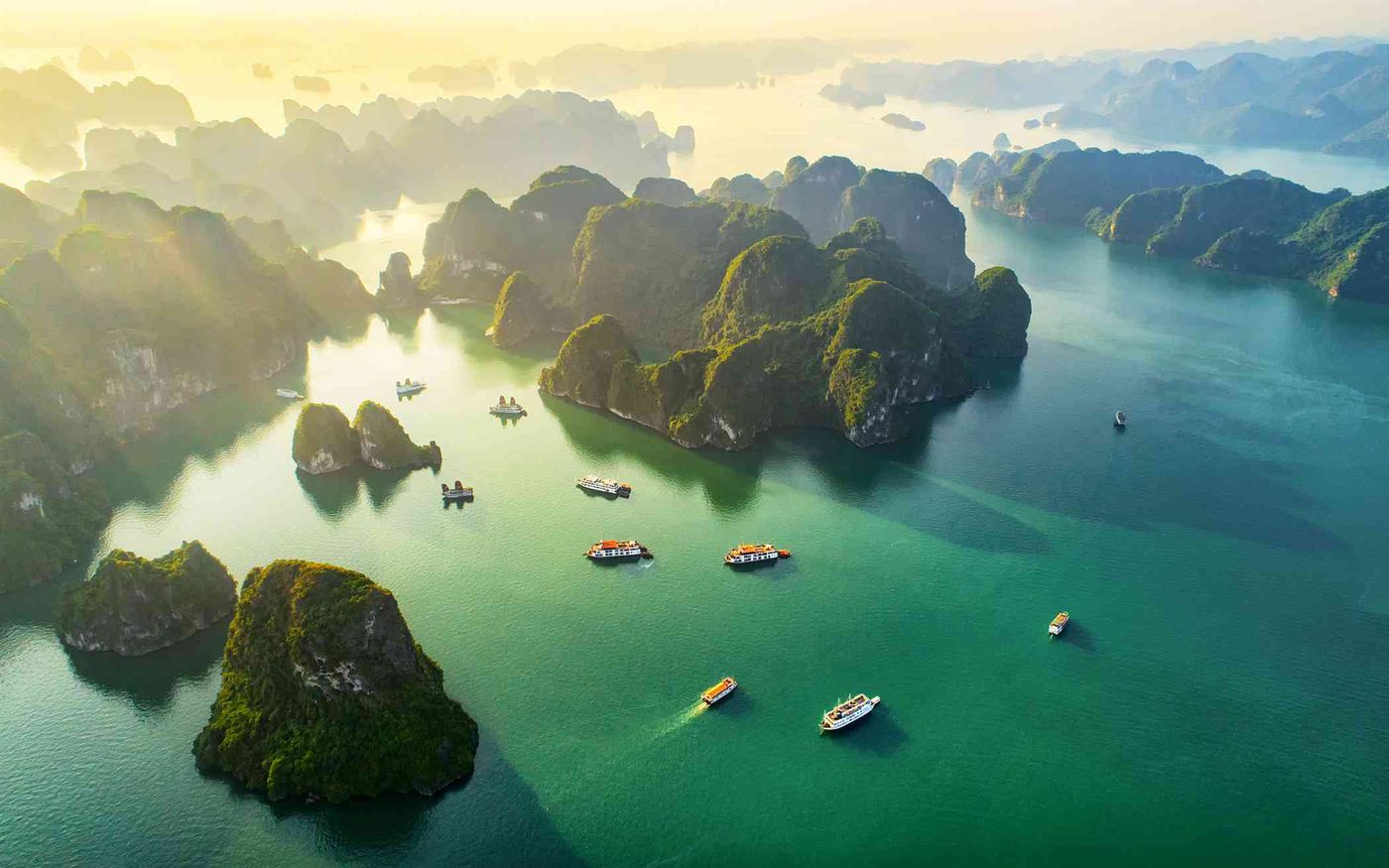
Ha Long is the capital city and first-class provincial city of Quang Ninh province, Vietnam. Being a coastal city, it has unique potentials of tourism and seaport because its land lies along the shore of Ha Long Bay of 50 km. Ha Long has strategic location of economic development and security of the region and the country.
• Area: 271,95 km² (105.00/sq mi)
• Population: 227,000 (2013)
• Density: 830/km² (2,200/sq mi)
Overview
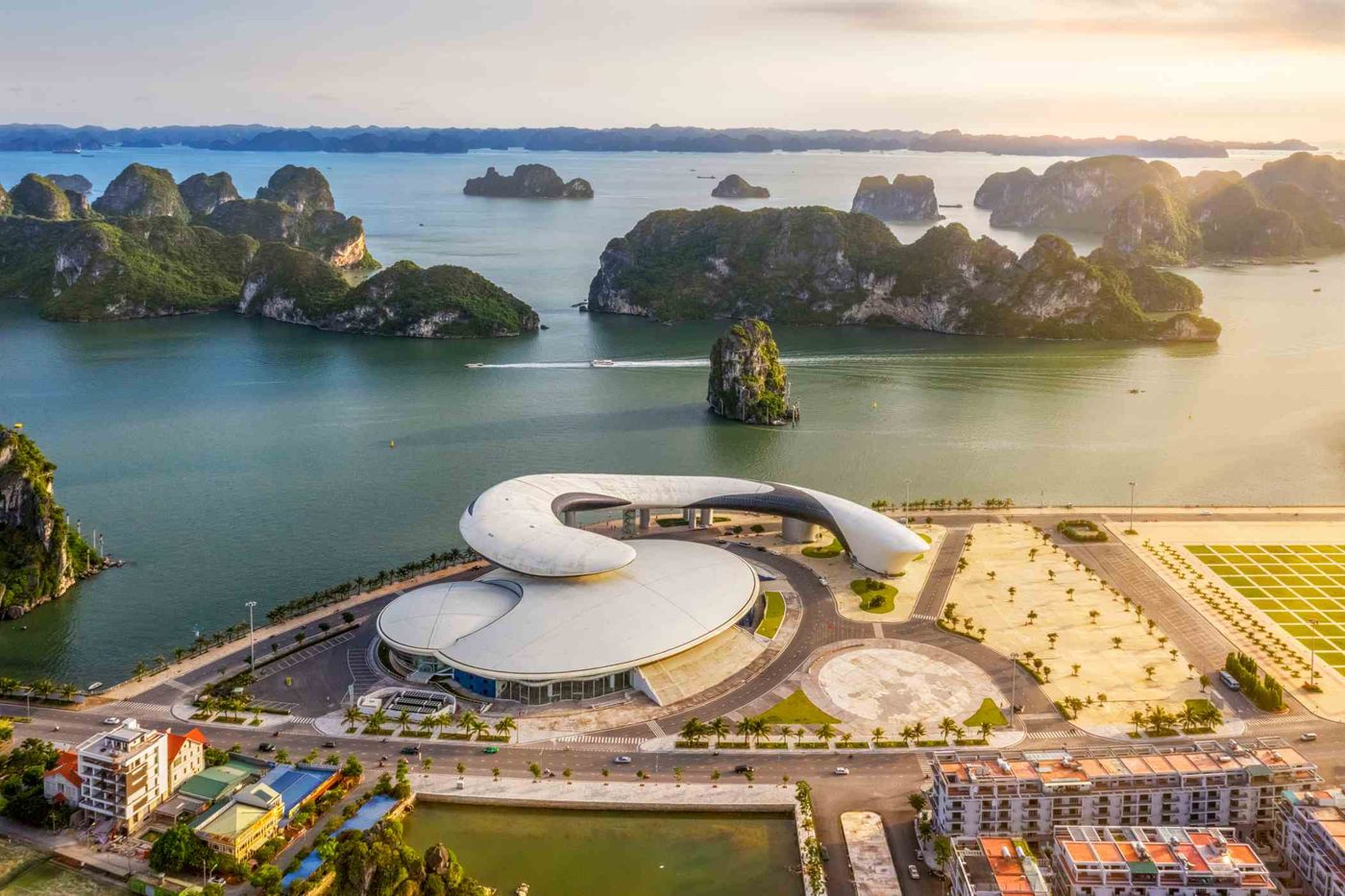
Located at about 178 km East of Hanoi, Ha Long city is divided into two parts: East Ha Long and West Ha Long. The Eastern part, Hon Gai, where most of the official buildings and industries are concentrated, is connected with Bai Chay by Bai Chay bridge which is considered to be more of a tourism attraction in the Western part. The city’s economy has recently switched from coal mining to tourism, due to the large number of visitors drawn by the Ha Long Islets every year.
History
The name "Ha Long" means "descending dragon". The city was created in 1993, when the old capital, Hon Gai, was merged with Bai Chay – the main tourist area.
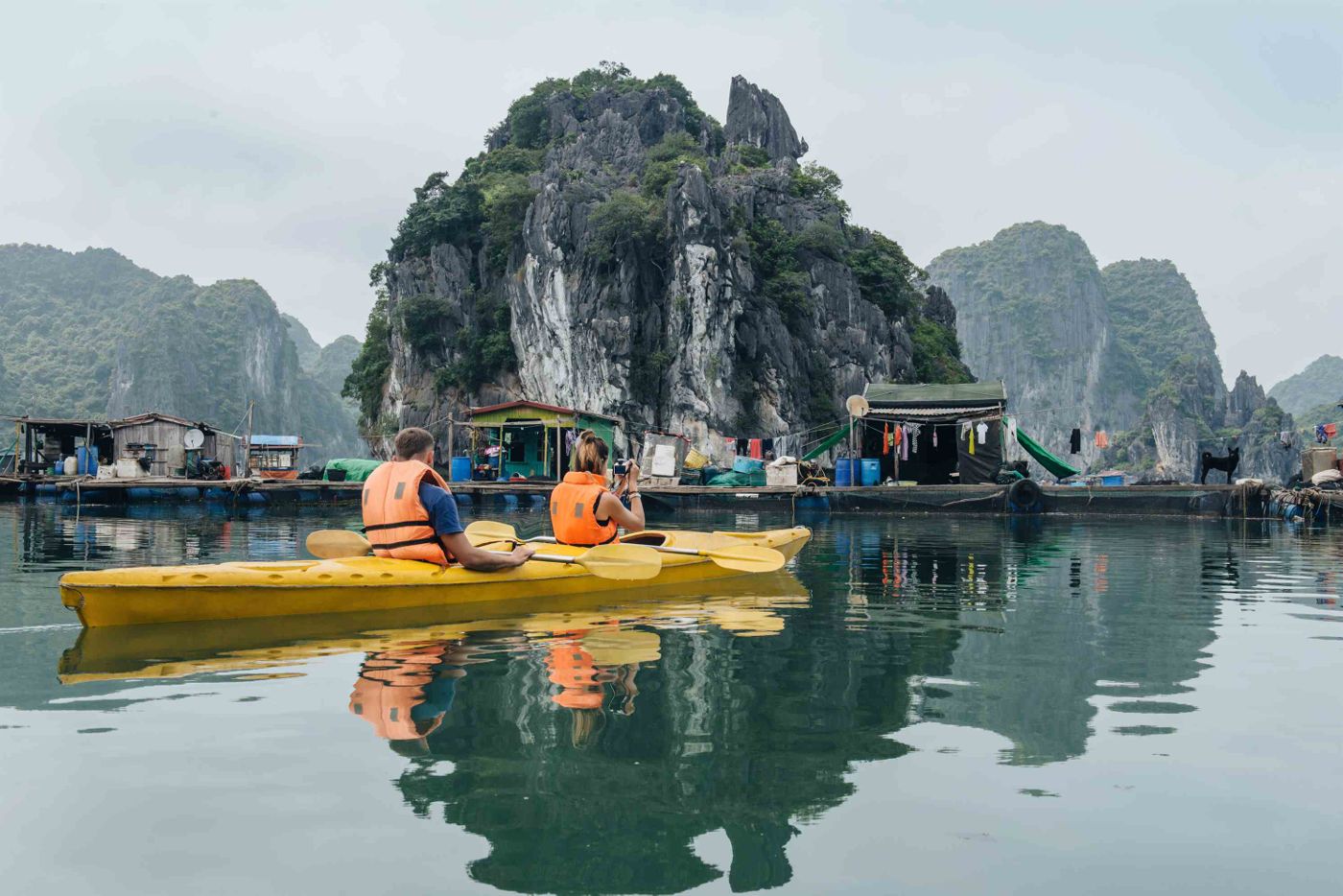
Ha Long Bay was recognized the UNESCO World Heritage Site in 1994. Heartland of today's Ha Long City, formerly just a fishing village, called the Oyster Coast. By the beginning of the Nguyen Dynasty, it was renamed to Mau Le. The East wards of the present city earlier belonged to Hoanh Bo District.
In 1883, the French occupied the bay area, they carried out coal mining in the mines on the Gulf Coast. As on many islands there was lots of hemps, so French called "Ile des brouilles" or a name translated from Hon Gai to Hon Gay, later renamed Hon Gai. According to the researchers, Hon Gai was called "deviation" from the place of the French Red Sea at that time.
After the August Revolution in 1945, this township became the capital town of the huge Hong Gai mine area. Late in 1946, the French conquered of Hon Gai. After Geneva Conference (1954), Hong Gai town was the capital of the Hong Quang special district. On October 30, 1963, the government combined Hai Ninh province and Hong Quang special district to create Quang Ninh Province, chose Hong Gai as the capital of Quang Ninh and expanded town to the East and West. Hong Gai town center provided coal for all industrial zones of Northern Vietnam. It also was the gateway to connect with China so it was the focus of the U.S. raiding fierce in war. Bai Chay Ferry (decommissioned in 2007, this was replaced by the Bai Chay Bridge), the most important transportation hub which American bombs destroyed many times, was awarded Hero of the People's Armed Forces 3 times.
Culture and Society
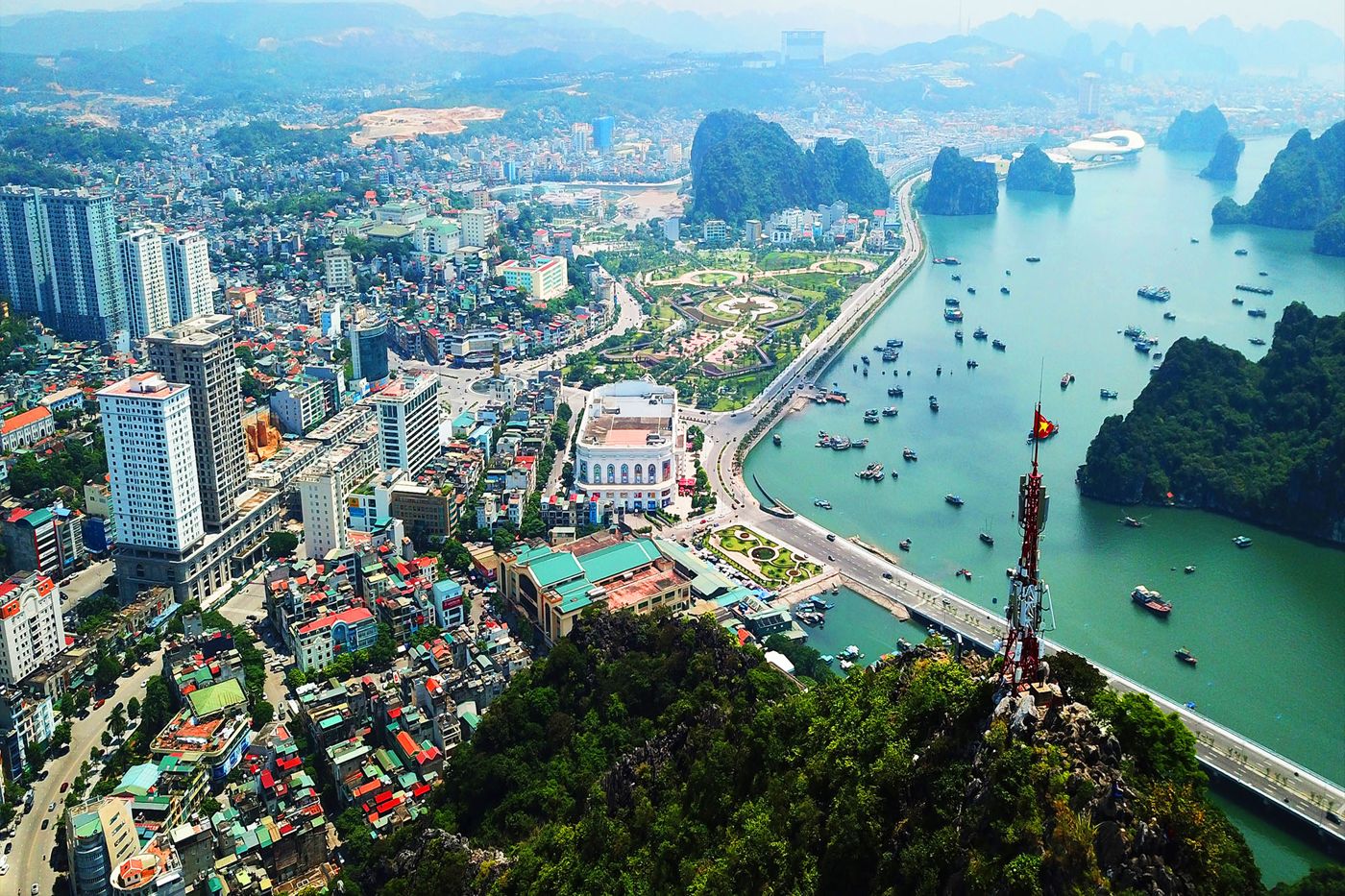
In the South of the city, there is Bai Tho (‘Poem’) Mountain which was widely used by some famous poets. The limestone peak is rich in bio-diversity and offers attractive views of the bay. Moreover, there are also many interesting places such as Cua Van Fishing Village, Hoang Gia Park, Ha Long Market, Bai Chay Trading Center, Quang Ninh Museum, Vietnam-Japan Cultural House and Children's Cultural House.
Ha Long city has an active Roman Catholic church in its Eastern part, Hon Gai. On the hill near the main post office, it holds the services on Sunday evenings and on Christian holidays.
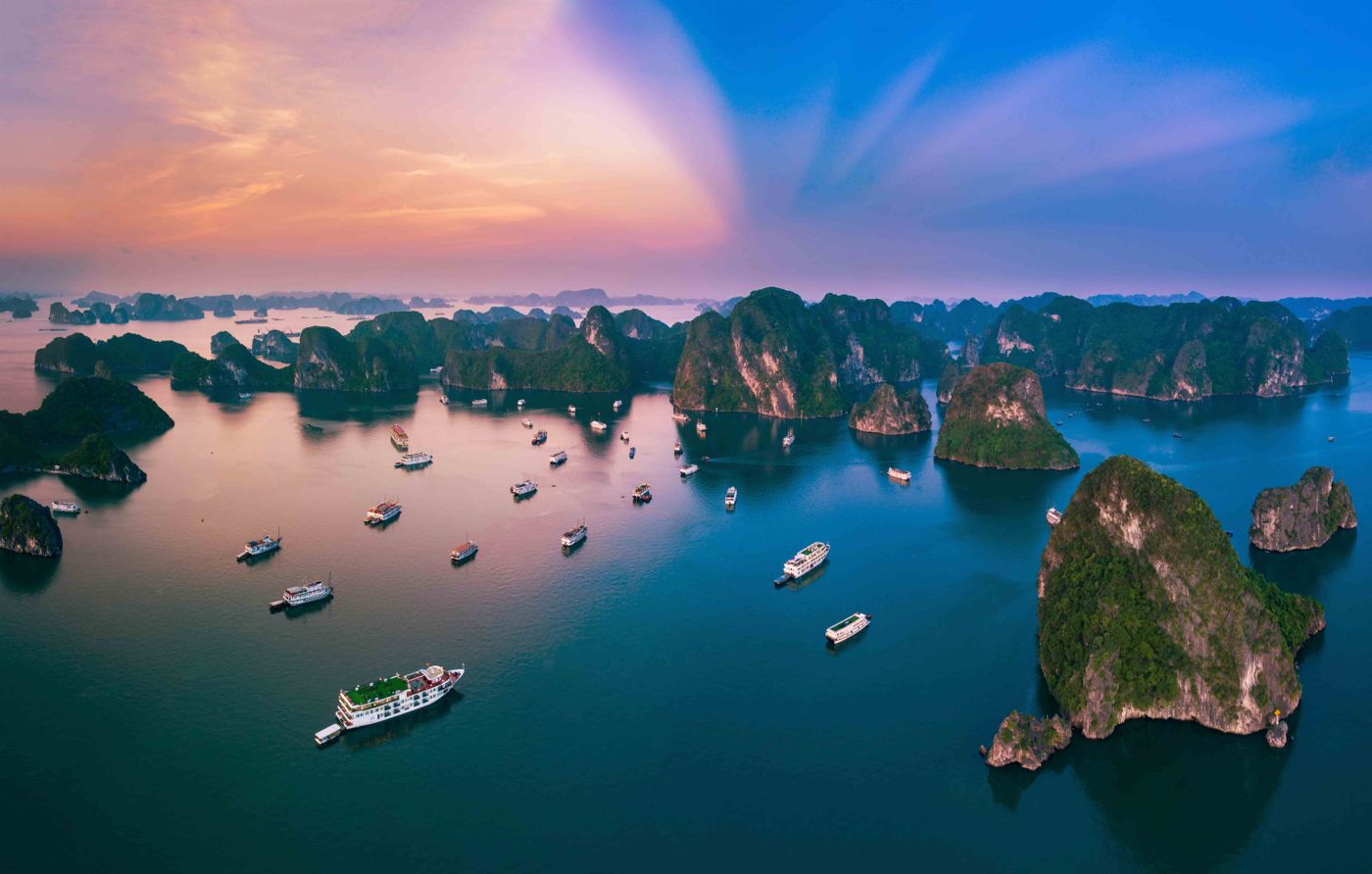
When to go to Ha Long
Source: Internet
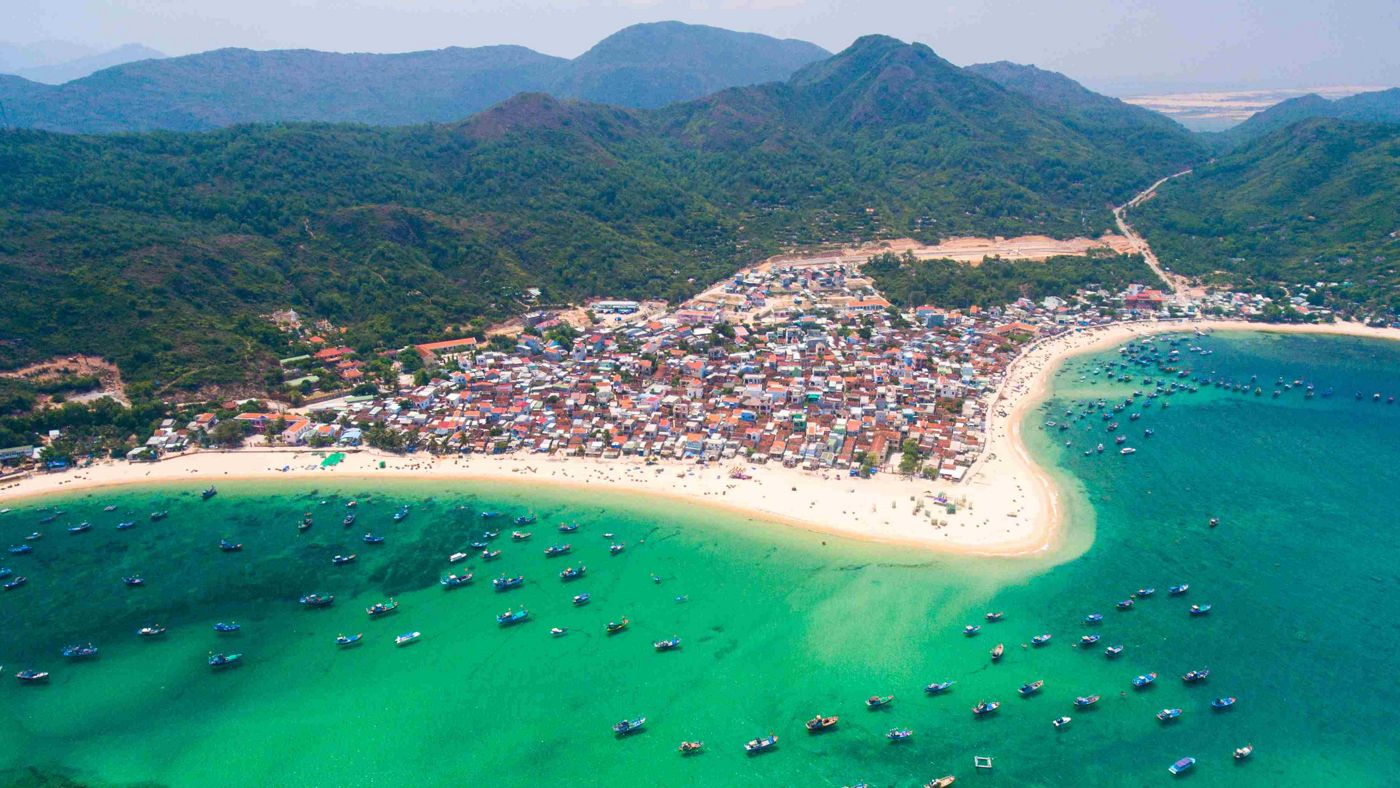
QUY NHON TRAVEL GUIDE 2024 - All you need to know
Reinvigorate your spirit with a splash of Vitamin "Sea" on a journey to the stunning and dynamic city of Quy Nhon. Blessed with expansive sandy beaches, crystal blue waters, and timeless architectural marvels, this is an amazing locale for fervent wanderlusts. Let the ultimate Quy Nhon travel guide by Vietravel - Asia's Leading Tour Operator guide you in embracing the unique allure of the enchanting coastal city nestled Vietnam’s central region. So, what's holding you back? Start mapping out your escapade to this charming destination right away!
Learn more about the Vietnam travel guide.
I. The best time to visit Quy Nhon:
For optimal enjoyment of the stunning landscapes of Quy Nhon, it is recommended to schedule your visit during the dry season, spanning from January to August.
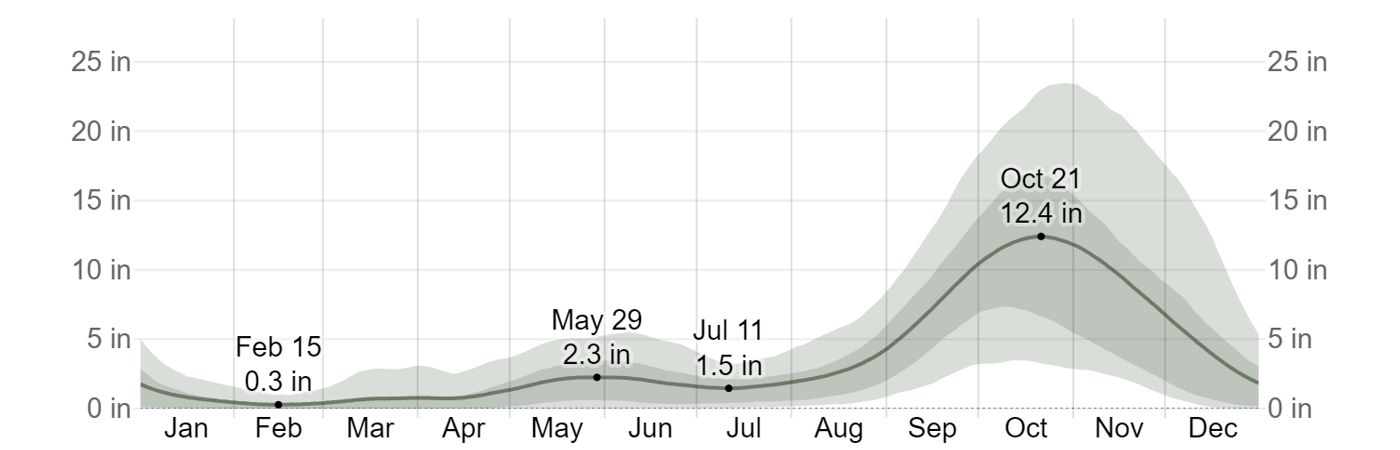
This favored time frame promises pleasantly dry weather and mild temperatures, perfect for sightseeing and enjoying outdoor pursuits. Plus, coming during this period helps you steer clear of any storm, ensuring your travel plans remain uninterrupted.
Explore tour packages to Quy Nhon here.
Moreover, summer presents an array of traditional celebrations such as whale worship, martial arts, and boat racing festivals, among others. Nevertheless, keep in mind that beaches tend to be bustling during the summer vacation period, from May to August. For a more serene and enjoyable experience without the crowds, consider planning your trip between March and May when tourist numbers are lower.
II. The best place to visit in Quy Nhon
1. Ky Co Beach
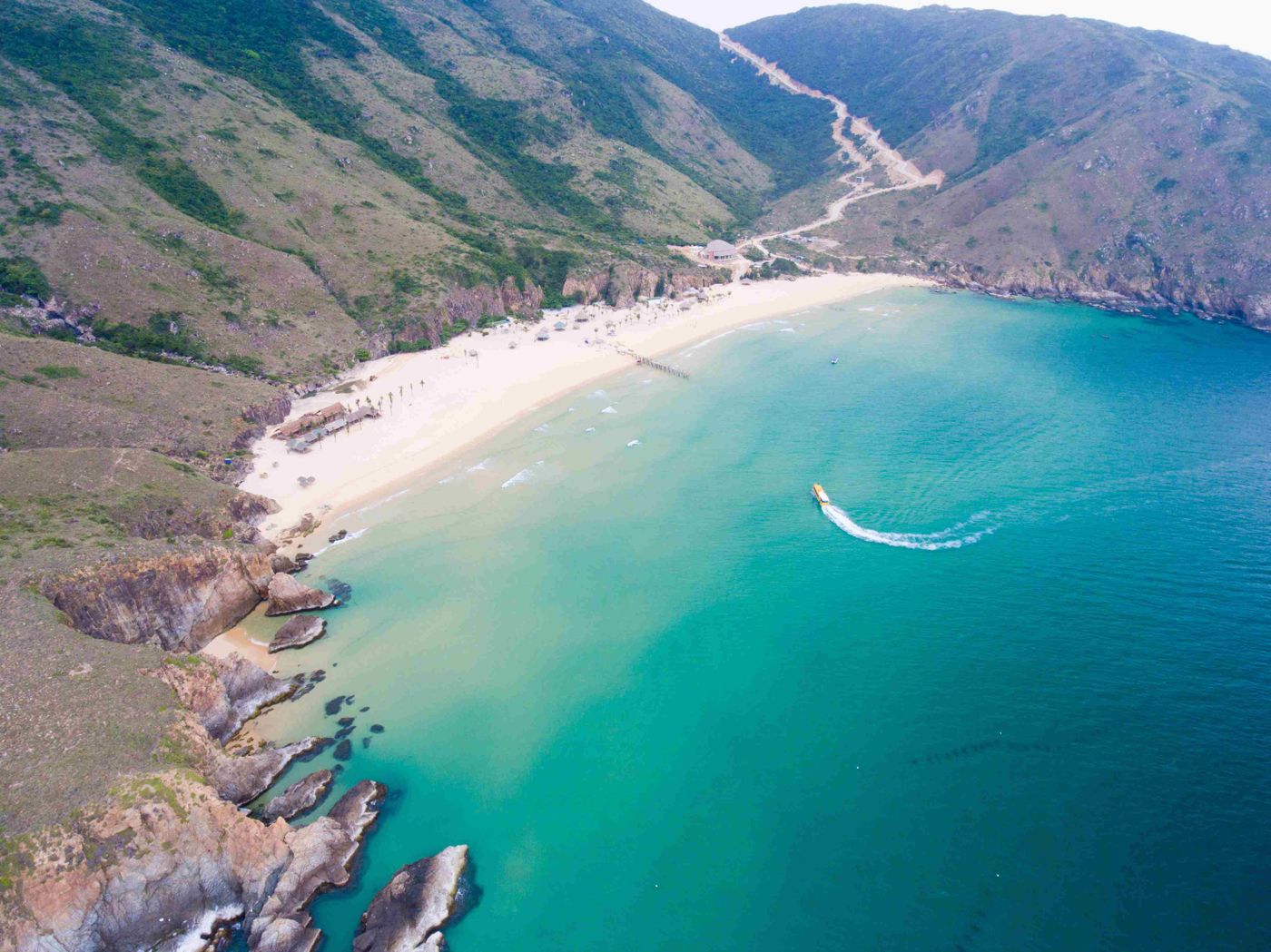
Firstly, looking for the ultimate Quy Nhon trip? Look no further than Ky Co Beach and Eo Gio Beach, a dynamic duo that's a must-see for any traveler in the area. Ky Co, the beach has one side giving you the sweet sea scenery and on the other, it's cozied up to a badass mountain range. The waters around Ky Co? They're like the clearest cocktail of emerald shades, catching the sun's rays, showing off coral reefs, and giving you a peek into the marine party happening below. Take a dip or stroll on the long, white sandy curves forming a perfect crescent. And for those who crave some aquatic adventures, snorkeling, and jet skiing are like the coolest ocean parties in town.
2. Eo Gio Beach
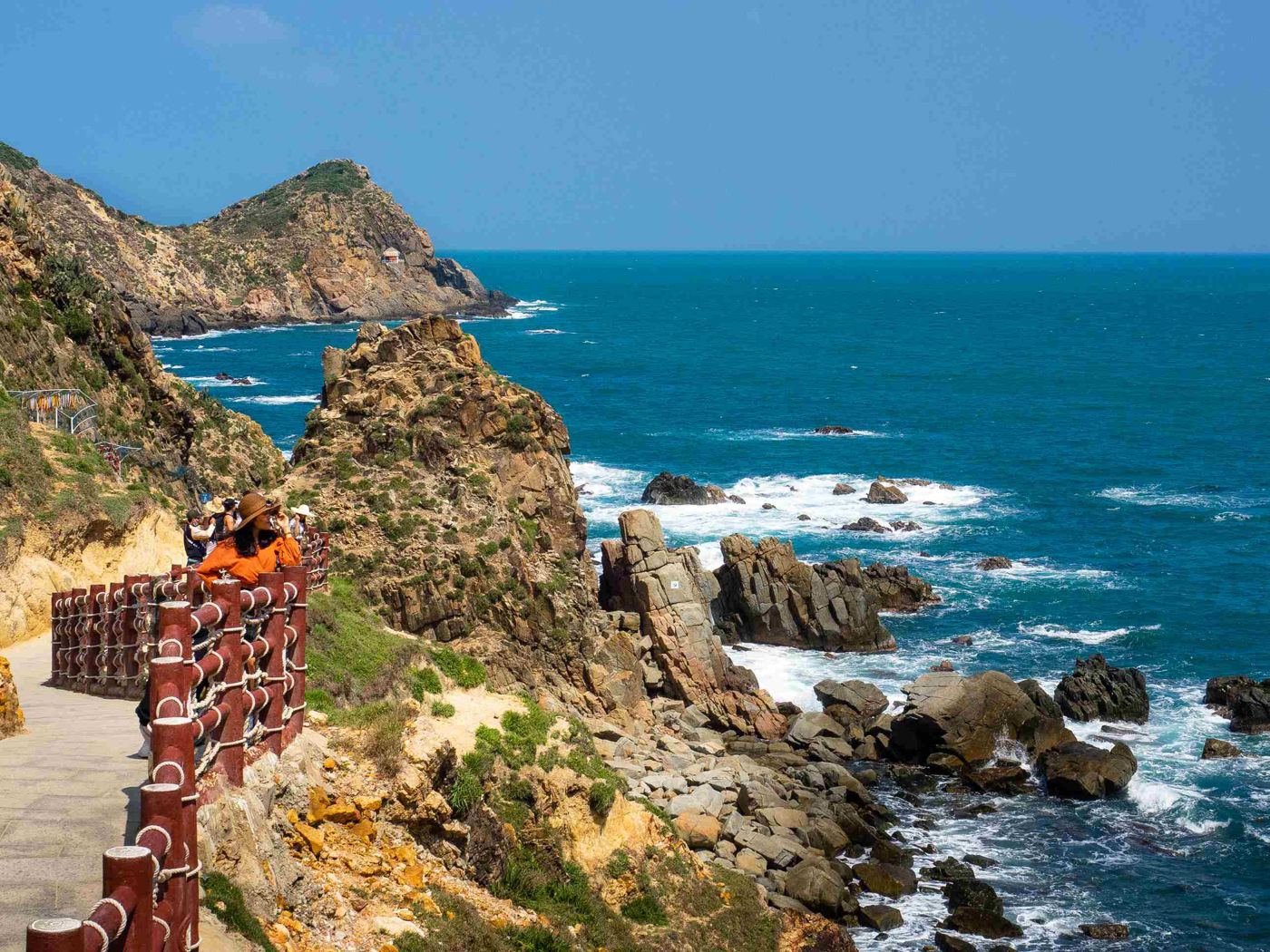
But wait, there's more! Right around the corner from Ky Co Beach is Eo Gio, a jaw-dropping spectacle with these massive stony formations putting on a show along the ocean. The whole shebang of sky, sea, and mountains all in one epic frame. With a road cozying up to the mountainside, this spot's like the hottest check-in location, especially when the sun's doing its magical thing. Let’s soak in the wind, waves, and endless ocean views through the telescopes lined up along the coast. Wanna feel the vibe on the rocky shores? Go for it, but tread carefully; rocks can be a bit slippery and sharp. And of course, no need to hold back—snap some laid-back pics with your squad or dears at this drop-dead gorgeous natural attraction.
Peep the tour to Ky Co Beach - Eo Gio Beach for the hookups at the best prices.
3. Hon Kho Island
Secondly, nestled in the heart of Nhon Hai's fishing village, Hon Kho is a real treasure for beach enthusiasts. The picturesque paradise is encircled by pristine, crystal-clear waters. As you step onto the island, you'll be immediately drawn to its unspoiled tranquility, inviting you to close your eyes and surrender to the rhythmic melody of waves lapping against the sand. Whether you're exploring the mesmerizing coral reefs beneath the transparent water or riding on a vibrant banana boat, Hon Kho promises a thrill.

During the months of May and July, Hon Kho undergoes a magical transformation, maintaining its deep blue charisma but now adorned with the graceful golden tones of wonderful seaweed bushes. This unique experience is an absolute game-changer.
And that's not all – relish the freshest feast right on makeshift rafts anchored in the waters around Hon Kho. The sensation of feasting on seafood while gazing out at the sea is like holding summer itself in the palm of your hands.
Grab the chance to embark on the Hon Kho day trip at unbeatable prices
4. Cu Lao Xanh Island
Thirdly, don't forget to add Cu Lao Xanh to your travel itinerary when visiting Quy Nhon. Its charm is like nature's masterpiece, painted with the blues of the sea and the sky against the lush green of the foliage.
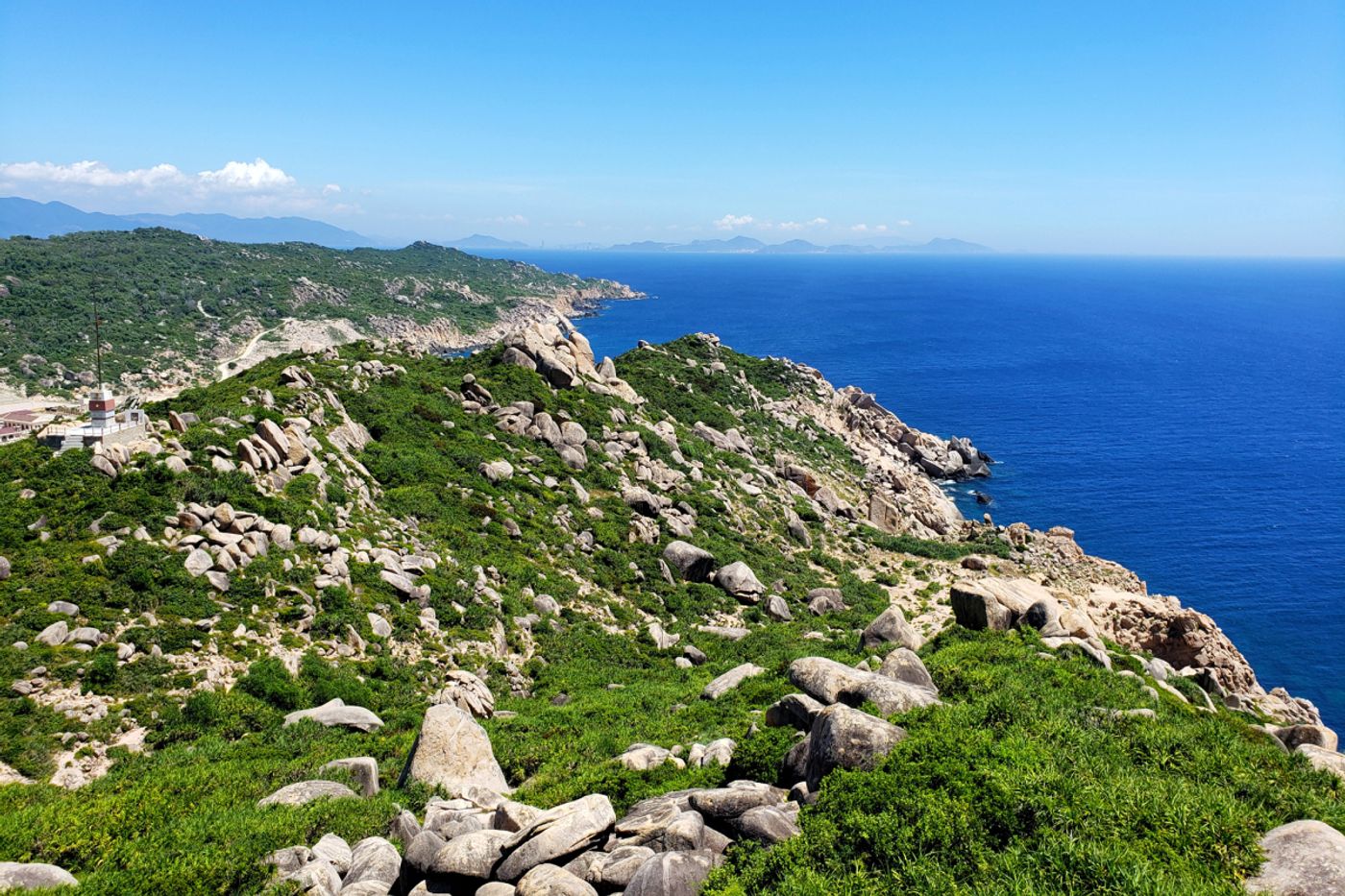
In this shining haven, the Thao Nguyen rock field emerges like a silent giant, solemnly facing the sea. You can trek along the rocky shores with various shapes and sizes, and check in at bewitching natural corners. The highlight of the place is the stunning 360-degree panoramic view, creating a chill vibe as you weave and navigate coastal trails.
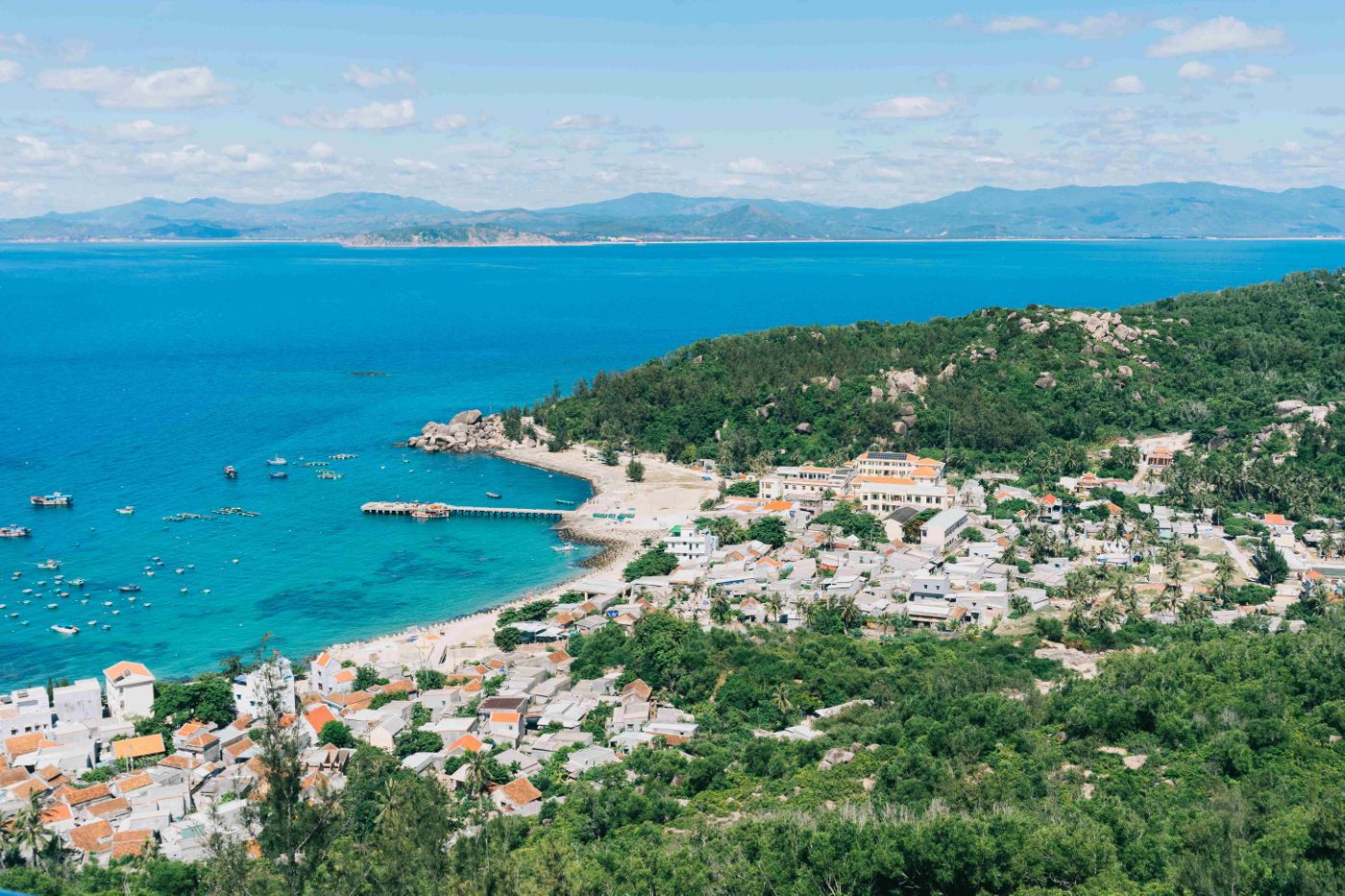
Besides, a must-visit spot for capturing the entire specular of Cu Lao Xanh is the lighthouse. To reach this bewitching tower, a 10-minute walk through winding slopes awaits. Once there, a majestic spectacle of breathtaking landscapes unfolds before your eyes. Just raise that camera and strike a cool pose for a post-worthy shot!
5. Ghenh Rang - Tien Sa
Next, in addition to the allure of Quy Nhon's must-visit locations above, Ghenh Rang Tien Sa is also an essential attraction. Located approximately 3 km from the center of Quy Nhon, this place boasts its own unique appeal.
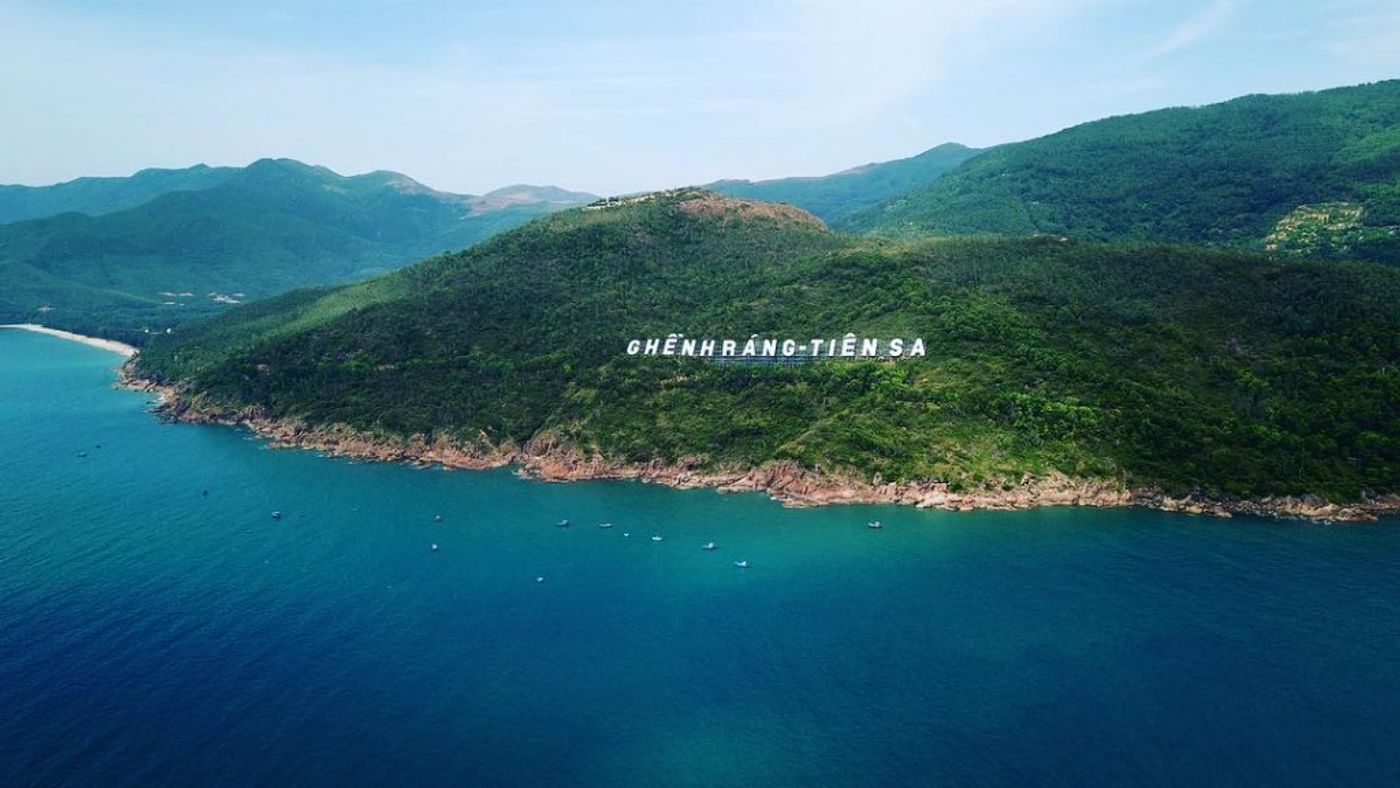
As you explore this mesmerizing wonder, one destination that must not be overlooked is the tomb of the beloved poet Han Mac Tu. Walking along the winding paths, shaded by towering trees and lush greenery, the majesty of Han Mac Tu's final resting place slowly reveals itself. The tranquil atmosphere evokes a sense of serenity and reverence, transporting you to a different period and space. In the hallowed ground, one can discover the legacy of Han Mac Tu and immerse themselves in his timeless poetry that has withstood the test of time.
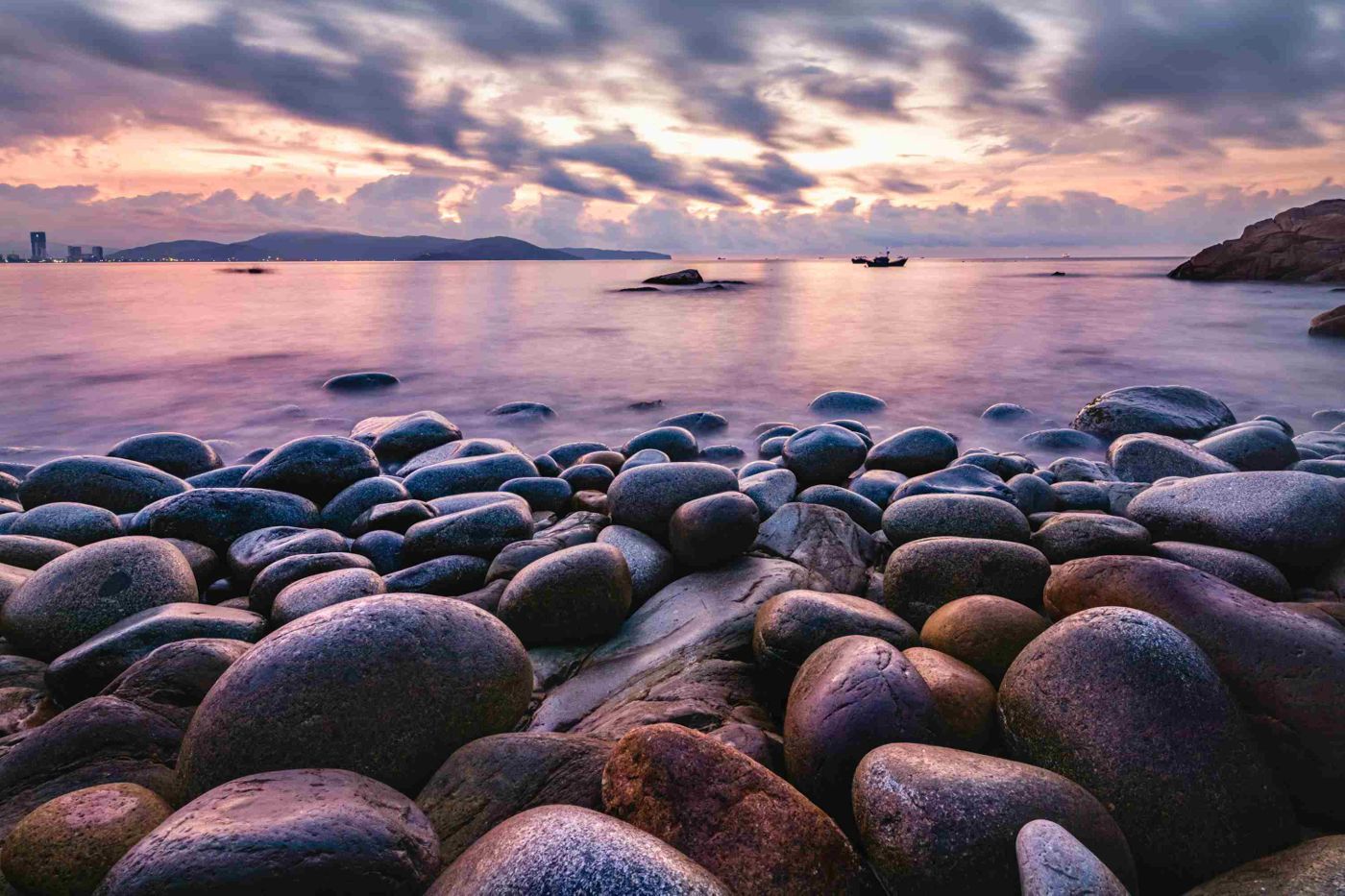
But the adventure to hidden treasures of the land does not end there. The Ghenh Rang - Tien Sa area boasts even more stunning attractions, such as Egg Stone Beach and Tien Sa Beach. As you stroll along the coastline, you can't help but feel the powerful forces of nature pulsating beneath your feet, a reminder of Mother Earth's immense strength and charm.
6. Hon Seo Island
Then, set your sights on Hon Seo, a hidden gem within the expansive landscape of Binh Dinh province, boasting an ethereal beauty untouched by the trappings of tourism. The crystalline waters encircling the island shimmer with an enchanting emerald hue, illuminated by the sun's gentle rays. Take the plunge into its inviting coolness or delve beneath the surface to marvel at the magnificent coral reefs and diverse marine ecosystems.
For those craving a more laid-back experience, fishing and camping on the Hon Seo offer the ultimate getaway. Gather around a crackling fire, grilling freshly caught fish, and swapping tales with fellow explorers as you witness the breathtaking sunsets painting the sky. Just remember to pack your gear and leave the island pristine, carrying away all trash upon your departure.
7. Banh It Towers
Following that, enter a time-honored journey to the Banh It Tower, which emerges from the earth like a glistening gemstone, its allure irresistible to those who seek the mysteries it holds. Encased within its ancient stone facade lies a veritable treasure chest of Cham culture, a timeless homage to the indomitable spirit of its creators.
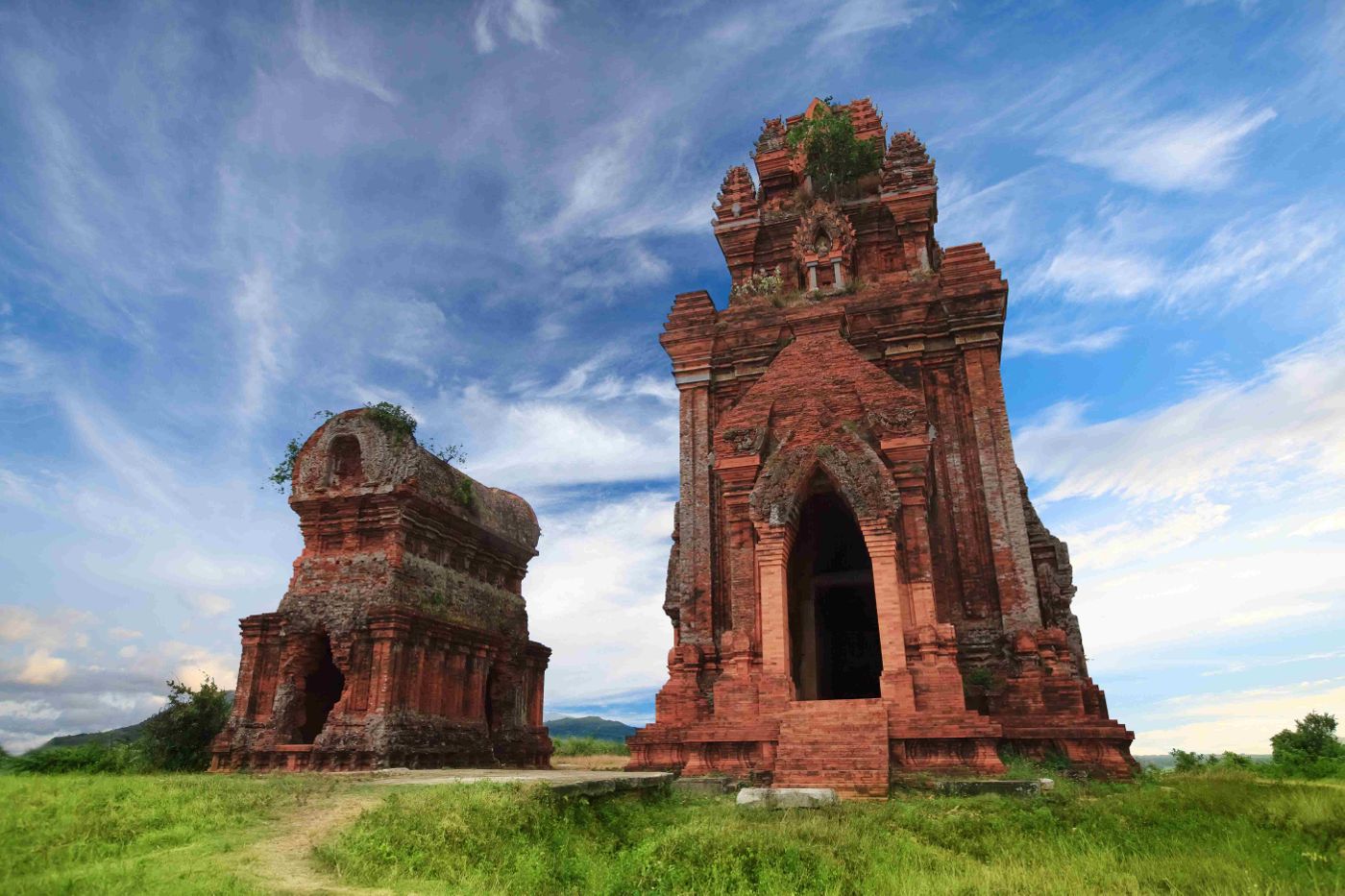
Amidst the verdant landscape, this striking construction stands as a solemn sentinel, its towering presence a testament to the resilience of bygone generations. Also, among the revered relics of Binh Dinh, its intricate carvings serve as silent storytellers of ages past. Even as modernity encroaches, the tower's majestic silhouette remains historic evidence of the exquisite craftsmanship of yesteryears, captivating all who dare to dive into its sacred embrace.
8. Linh Phong Pagoda
Perched atop a lush, verdant hill surrounded by the vibrant foliage of Binh Dinh, lies the majestic Linh Phong Pagoda. The expedition to this holy site is not for the faint-hearted, as it requires a challenging hike up 600 stairs that seem to ascend endlessly toward the heavens. However, upon reaching the top, Yet, the reward for this strenuous climb is nothing short of spectacular - a commanding view of Buddha Shakyamuni statue, standing tall and proud as the tallest statue in all of Southeast Asia.
Intricate wooden details of its architecture begin to reveal themselves, a testament to skilled craftsmanship that has stood the test of time. The smooth and polished surface of the wood gleams in the sunlight, lending a radiant golden hue to the already awe-inspiring structure. One can't help but feel a sense of serenity and reverence in this sacred place in nature's glorious enchantment. The babbling of a nearby brook and the gentle rustle of leaves add to the peaceful ambiance, making it a perfect attraction for meditation and reflection.
9. Twin Cham Towers
Meanwhile, nestled in the dynamic center of the city, the Twin Towers rise tall and magnificent, historic evidence of the enduring spirit of the Cham people. Their impressive architectural design stands out amidst clusters of other towering structures, which are deeply rooted in the ancient Champa culture. Every inch of their surface is adorned with intricate carvings, showcasing an unparalleled level of skill and craftsmanship. The gems seem to reach endlessly into the sky as if yearning to touch the heavens themselves.
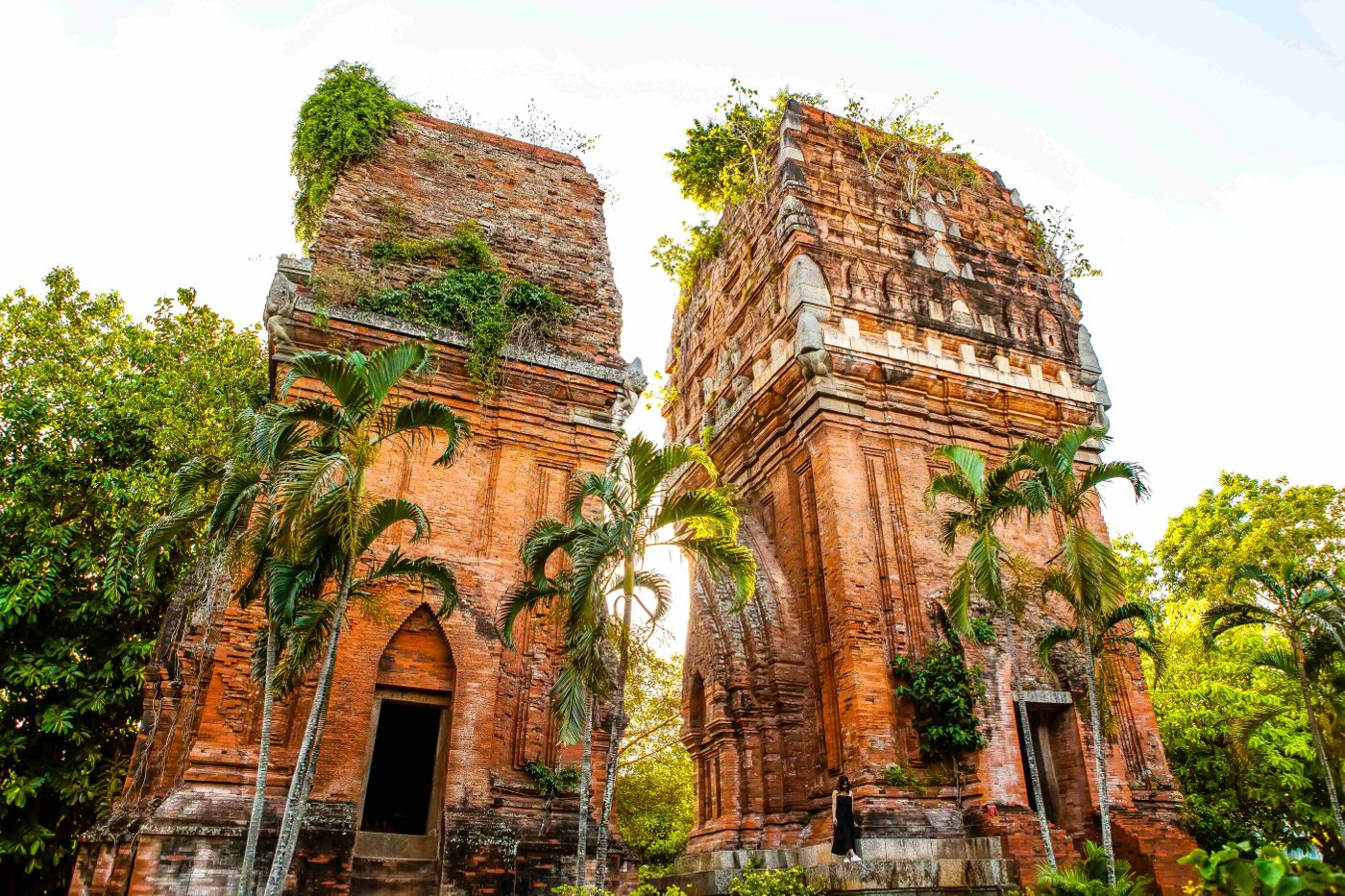
Bathed in sunlight, their walls gleam with a golden radiance, casting an aura of ethereal beauty. But behind their splendor lies a turbulent history, one that has been weathered by the timeless symbols of strength and resilience. Though time may have faded some of its glory, the towers' spiritual essence still radiating a deep cultural and historical significance that transcends generations. Standing in their presence, one can't help but feel overwhelmed by a profound perception of awe and reverence for the lasting legacy of the Cham inhabitants.
10. Lang Song Minor Seminary
Finally, uncover the enigmatic secrets of Lang Song Minor Seminary, where history and tranquility converge. As you set foot upon its sacred grounds, a sense of serenity washes over you with a luxurious stillness. The pathways are adorned with a lush canopy of vital greenery, inviting you to wander deeper into this sanctuary of peace.
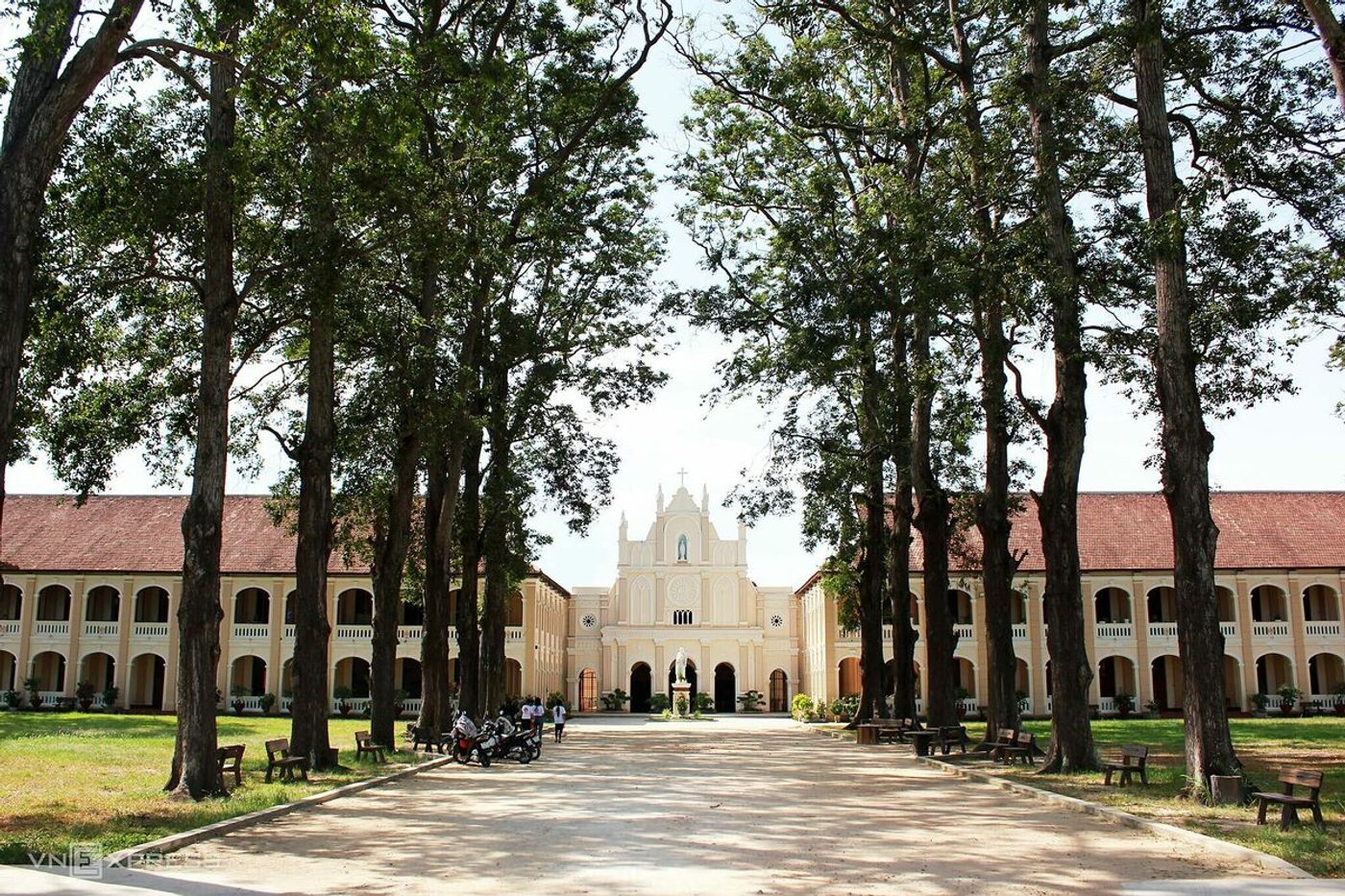
Immerse yourself in the intricate genesis and evolution of the Vietnamese script, tracing its lineage through the many pages of time. Every corner exudes an unbreakable harmony, paying homage to the elegance of French-inspired architecture that graces this legendary place. Each facet of its building boasts a dazzling spectrum of colors, intricately carved contours, and ornate motifs, standing as living proof of the enduring glamor of centuries past.
However, the architecture merely scratches the surface of what our guide strives to impart to you. It's when you delve into the centuries-old historical records of the Vietnamese people that the echoes of history truly resonate. The further you delve, the more captivated you become; the more you uncover, the more profoundly you grasp the timeless essence of this millennia-old traditional culture of the legendary country.
Check the prices for a day trip to Lang Song Minor Seminary.
III. How to travel to Quy Nhon
If you're itching to explore this incredible seaside getaway, sit back and let our Quy Nhon travel guide equip you with a wealth of fantastic tips and transportation hacks to ensure you arrive in town smoothly and with a sense of complete relaxation.
1. By air:
First, are you ready for a wander of wonder to Quy Nhon through the boundless skies? From the ancient streets of Hanoi, a mere blink of an eye - just over 1 hour and 50 minutes - separates you from this mesmerizing destination. And for those setting sail from the metropolis of Ho Chi Minh City, rejoice, and can expect an even swifter journey, shaving off approximately 20 minutes of your flight duration.

Refer to the ticket prices for flights to Quy Nhon with Vietravel Airlines.
2. By Train:
Next up, if you're all about that thrill and discovery vibe, hitting up Quy Nhon via the dope railway is where it's at. Roll through diverse landscapes depending on the spot you start, each stretch offering up its own killer views. When the train pulls into Dieu Tri Station, that's the real adventure kicks off. Let’s hit up the busy city streets and dive deep into its soul. Let’s embrace the rush of spontaneity and the satisfaction of tackling unexpected challenges because that's what real exploration entails.
Book train tickets here.
3. By public buses/ Vietravel’s private car/ coach:
Lastly, discover the enchanting rhythm of this picturesque seaside by a bus ride, the last travel option recommended by our guide. Unlike the swift ascent of flying, traversing by bus gifts you the leisure to soak in the boundless splendor of Vietnam from the panoramic window. Every mile unfolds a new vista, painting a tapestry of landscapes that dance to the beat of your journey. Immerse yourself in the freedom to sculpt an amazing trip, shaping each stop to match the desires of your wandering soul.
Now, Quy Nhon has 13 bus routes running all over town. Just hop on, tell the driver where you're headed, and they'll drop you off at the closest stop. But if you're not up on your Vietnamese, chatting with the driver might be a bit tricky.
While you're out there contemplating your travel game, let me drop some knowledge on you: Vietravel's got your back with some next-level private transportation. We're talking about cruising in style and comfort, no stress, no fuss! All you gotta do is hit up our website, book your ride, and bam! You're rolling in the lap of luxury with our modern, top-of-the-line vehicles, complete with dedicated drivers who'll ensure your journey is smooth sailing all the way. Get hyped, 'cause every moment on this ride is a chance for epic discoveries!
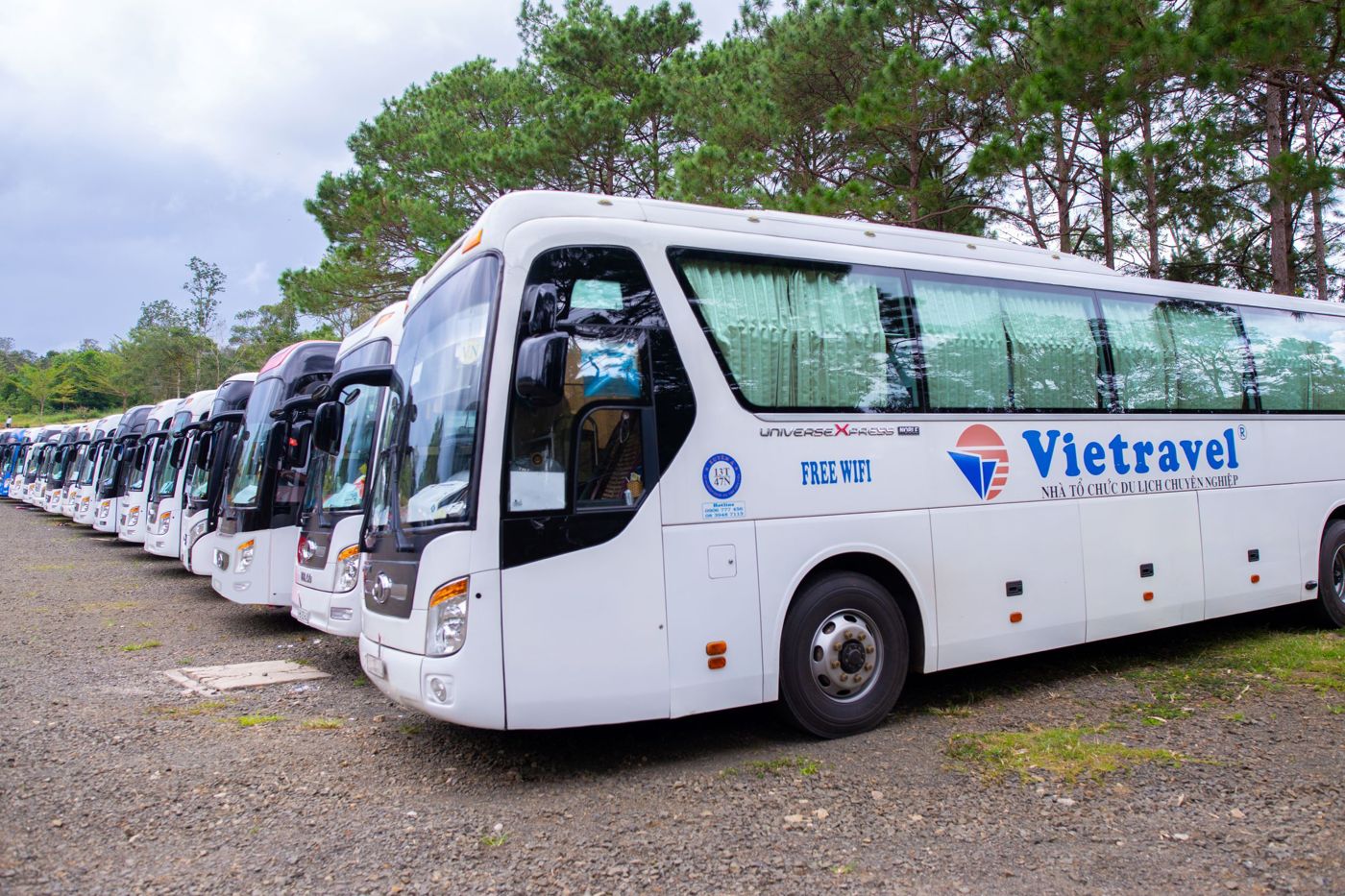
Refer to our tour packages to Quy Nhon here.
IV. How to get around Quy Nhon
Get ready to discover through Quy Nhon like a local pro! In this section of Vietravel's Quy Nhon travel guide, we'll show you the ropes on navigating this coastal gem with style and ease. Whether you're craving a beachside expedition or eager to explore hidden gems off the beaten path, we've got the insider tips to make your expedition perfect. So buckle up and let's dive into the adventure of a lifetime!
1. Motorbike – An exhilarating and captivating escapade
Answer the call of adventure as you dive into a motorbike expedition across Quy Nhon, kickstarting your excursion with an electrifying surge of adrenaline. It's a great time to grab a motobike along the coastline and bathe in the radiant embrace of golden sunlight.

But amidst the thrill, prioritize safety by obtaining a valid license and strapping on a helmet. While this escapade typically appeals more to local travelers, international explorers need not feel left out. Just link up with your guide, who'll curate a fully immersive experience tailored precisely to your preferences, guaranteeing each moment resonates with the essence of discovery.
2. Vietravel's private cars/coaches – The epitome of seamless travel
Hopping on Vietravel's swanky bus for a jaunt to Quy Nhon is the ultimate ticket to some top-notch trips! As you step onto the bus, prepare to be mesmerized by the panoramic views that greet you through the wide, spotless windows. Each scene unveils the city's splendor in all its glory, from the bustling streets to the serene beaches and majestic mountains. Surrender to the seamless voyage ahead, guided by our dedicated and expert drivers who navigate each turn with precision and care. With cozy seats, A/C on fleek, and highly qualified service, every second is lit for an unforgettable ride.
Learn more about Vietravel's day tours in Quy Nhon.
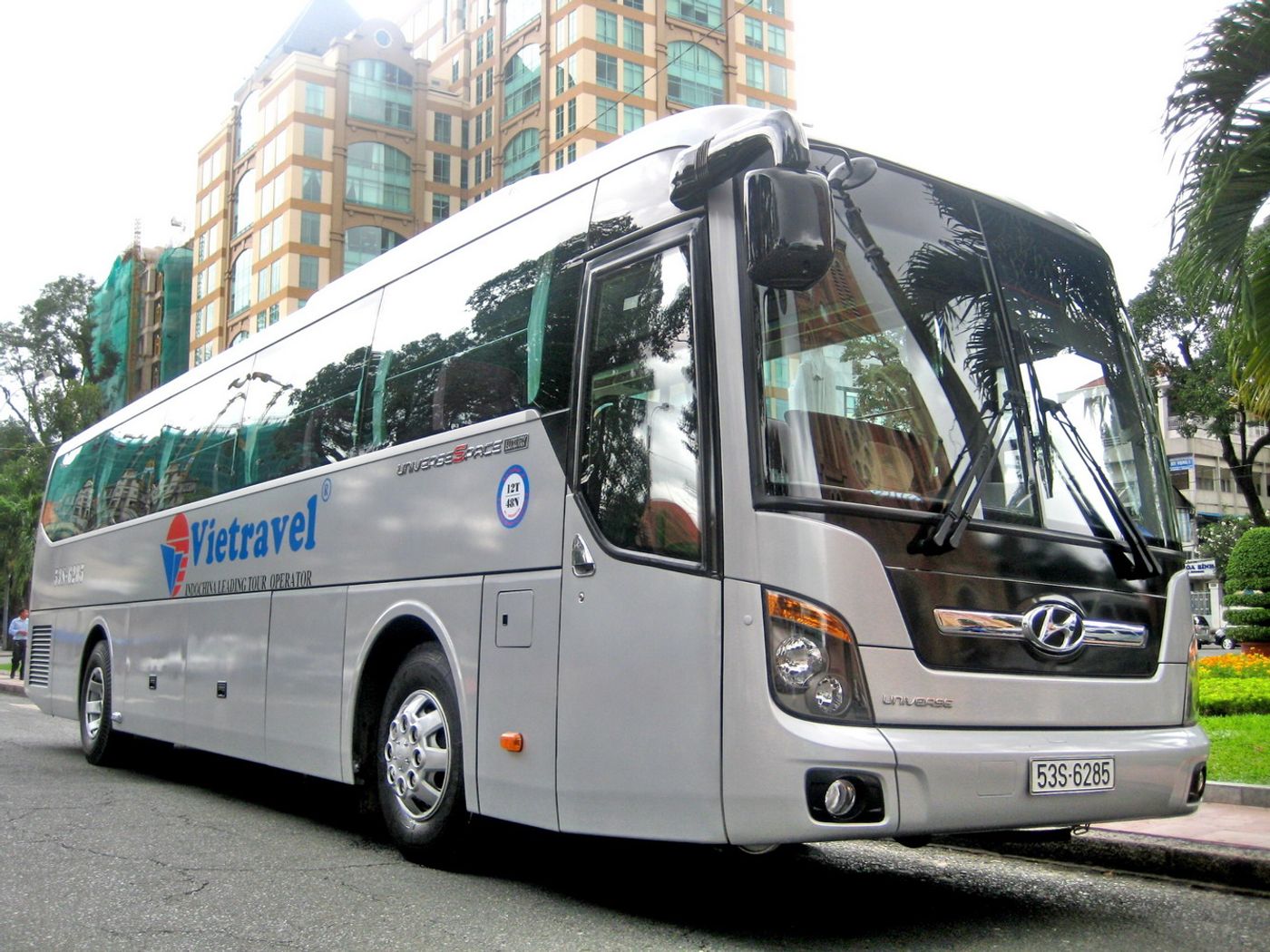
3. Taxis – A super convenient style
Last but not least, in the energetic city, taxis stand as the quintessential companions for explorers eager to traverse its enchanting streets. As the pulse of mobility quickens among both residents and visitors, taxis emerge as a favored means of transport.Their omnipresence ensures effortless access to all corners of the city, promising adventures waiting to unfold.
Amidst the traditional taxi fleets, a new wave of technology-driven cabs emerges, travelers with their modern allure. With a mere touch of your smartphone screen using popular apps like Grab or Bee, the city becomes your playground, beckoning you to join thrilling quests of discovery at your fingertips.
Note: Anyway, if you're going for regular cabs, make sure to haggle the price before you jump in. It's a smart move to avoid getting ripped off, especially if you're an international traveler.
V. What to eat – The Quy Nhon travel guide
Any journey that doesn't have a burst of culinary is just not the full experience, you know? They say the quickest way to win someone over is through their stomach, after all. So, dive into a delicious voyage with Vietravel around this bustling coastal city, guided by the Quy Nhon travel guide. Whether you are a food connoisseur or looking to try new tastes, get ready to be captivated by the variety of cuisine treasures that await you: mouthwatering meals filled with bold flavors and special ingredients only found in this area.
Learn more about the Nha Trang travel guide.
1. Bun Ram - Mud crab noodles
Foremost, Bun Ram is absolutely deserving of a solid 5-star rating with its tantalizing and utterly irresistible flavor. Imagine a steaming bowl, overflowing with silky noodles bathed in a golden elixir, adorned with plump red shrimp and vibrant green vegetables, creating an alluring culinary masterpiece. The broth simmered with juicy pork bones and indigenous mud crabs, emits a natural sweetness that seamlessly blends with the robust crab paste, creating a flavor medley unique to this tropical haven.
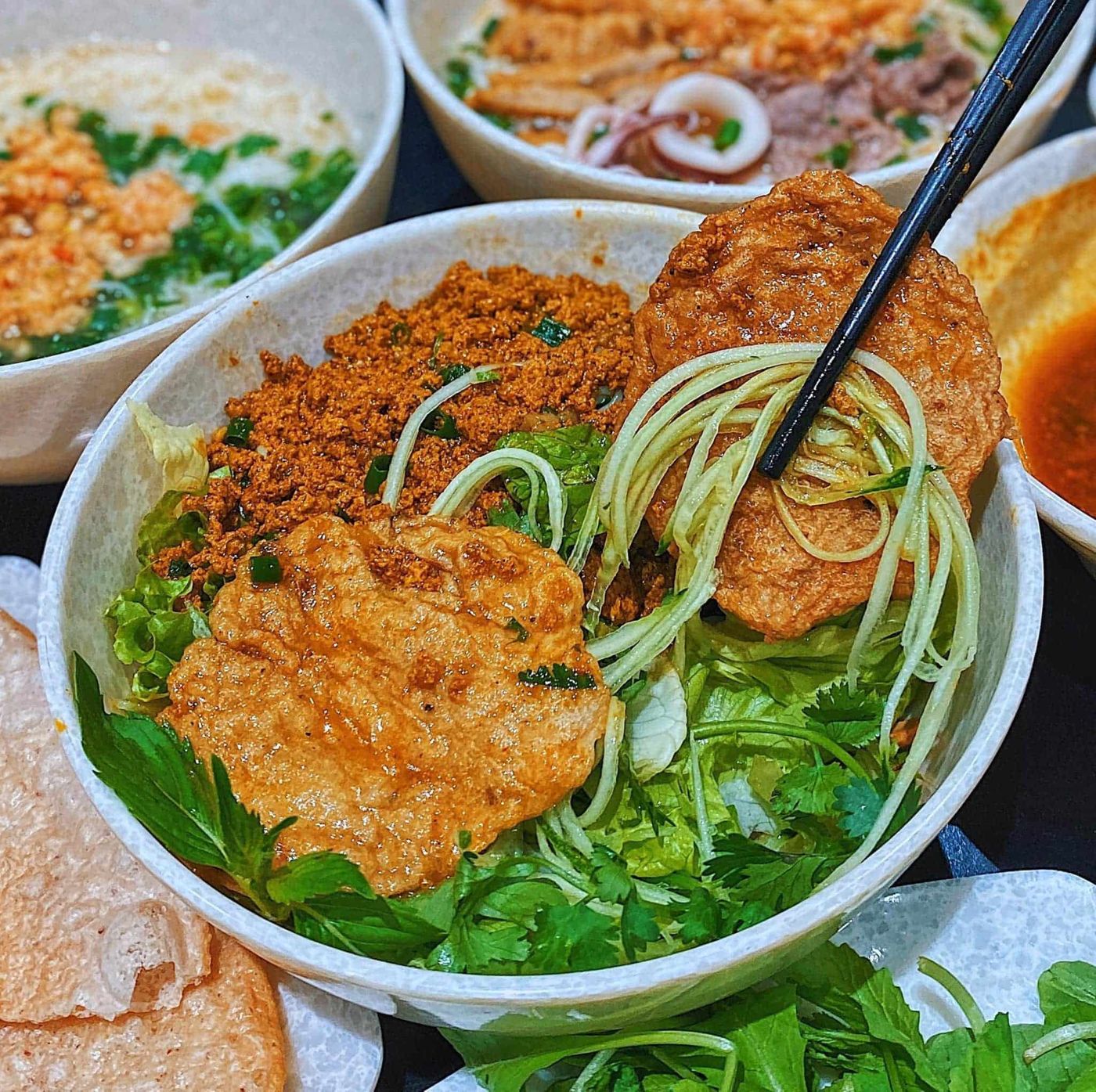
Where to eat:
- My Hanh Diner - 48 Ngo Gia Tu Street
2. Bun/ Goi Sua - Jellyfish noodles/salad
Next, savor the refreshing crunch of jellyfish noodles and salad, signature delicacies of Quy Nhon, offering respite from the summer heat. Made with meticulously prepared fresh jellyfish, the noodles are submerged in a clear broth infused with the flavors of pork or fish. Meanwhile, the jellyfish salad dances with textures and flavors, marrying crunchy jellyfish, tender pork belly, aromatic herbs, and a tangy-sweet fish sauce dressing. Each dish stands as a testament to the coastal treasures of the region, offering a symphony of flavors that encapsulate the essence of the area.
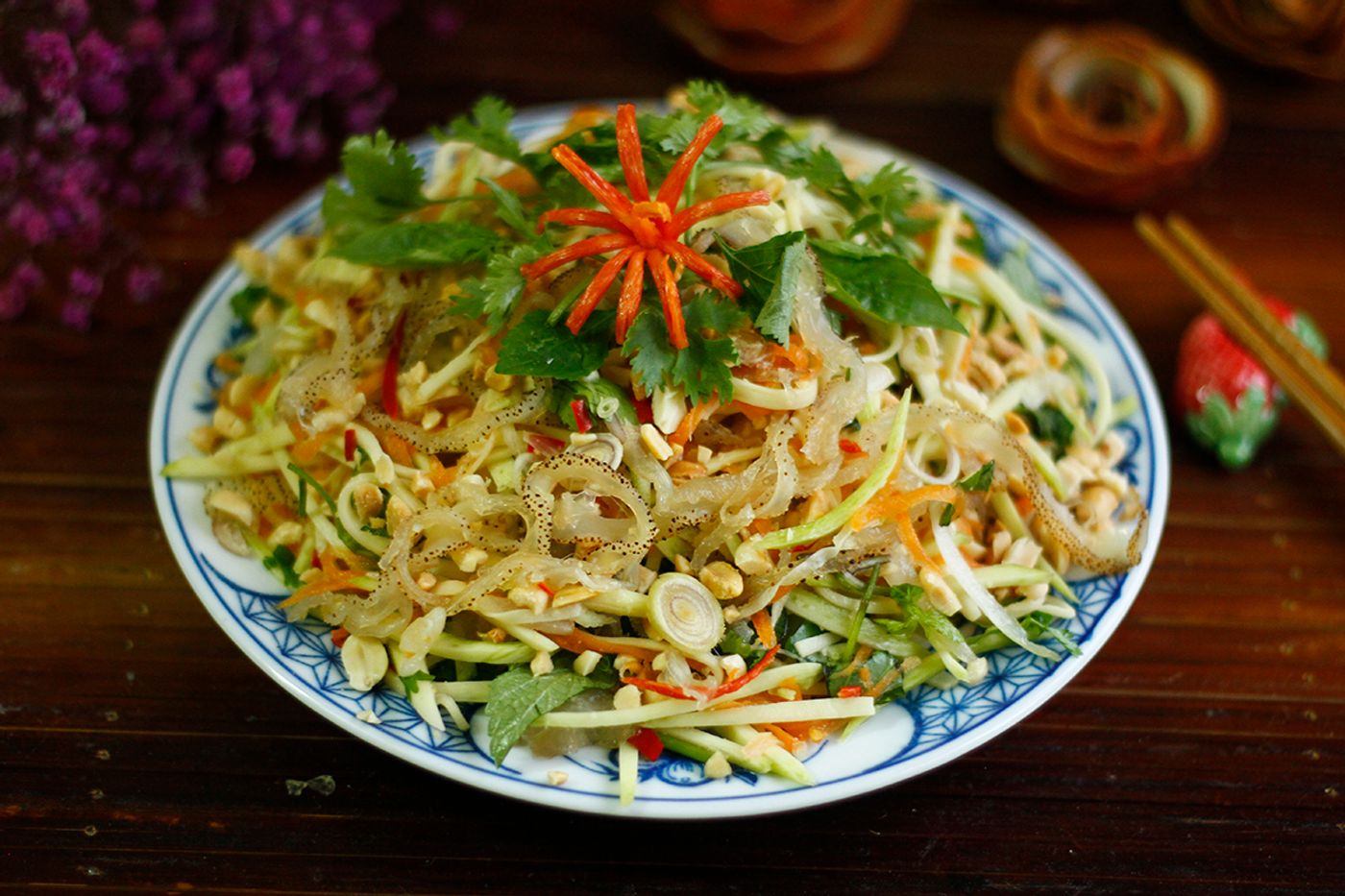
Where to eat:
- Ngoc Lien Diner- 379 AB Nguyen Hue Street
- Ho Thi Diner - 279 Tran Hung Dao Street
3. Banh Canh Cha Ca - Fishcake noodles
Another rising star on the culinary scene of this shining seaside city is the fishcake noodles, crafted with care and served by bustling street vendors. You will be dived into the unique fusion of fishcakes and noodles. All ingredients are carefully selected and cooked with traditional techniques, resulting in a harmonious blend of flavors. The fishcakes are made from freshly caught fish and a secret mix of spices, providing an explosion of taste with each bite.
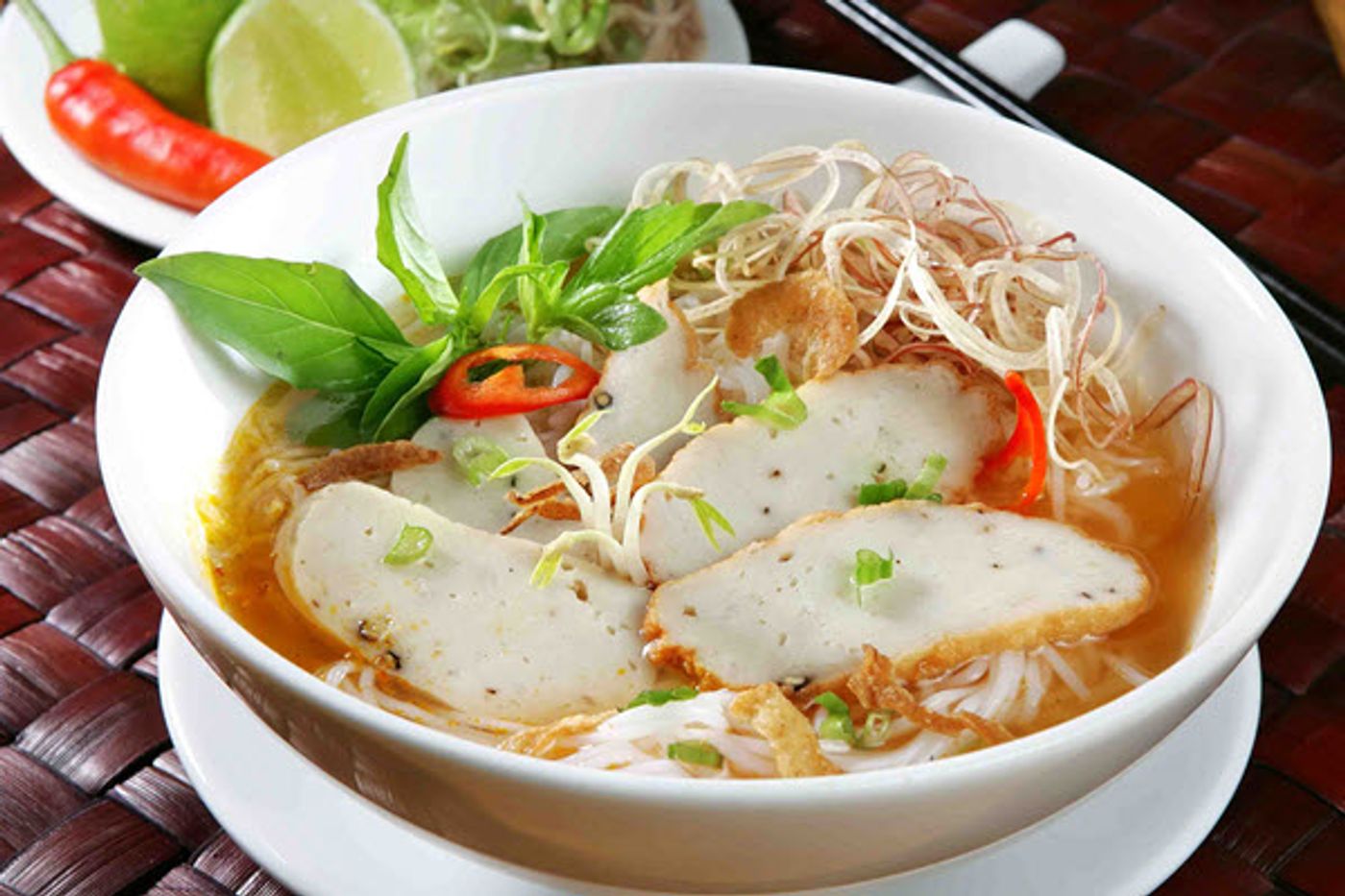
The perfectly cooked noodles have a delightful chewiness and an immaculate white color that resembles recently fallen snow. As you savor the steaming bowl of fishcake noodles, allow yourself to be transported by the aroma and taste of the stock, simmered with fish bones and heads to create a subtle but irresistible sweetness. Let's indulge in this gastronomic odyssey and craft indelible memories with every spoonful.
Where to eat:
- Ba O Diner – 384 Bach Dang Street
- O Hue Diner – 30 Truong Chinh Street
4. Banh Xeo - Savory Pancakes
Don't overlook one of the most cherished dishes from the central region – Banh Xeo, sizzled on the grill emits a mouth-watering fragrance of smoky aroma and charred perfection. The exterior is a picturesque golden hue, crispy to the touch but still light and airy.
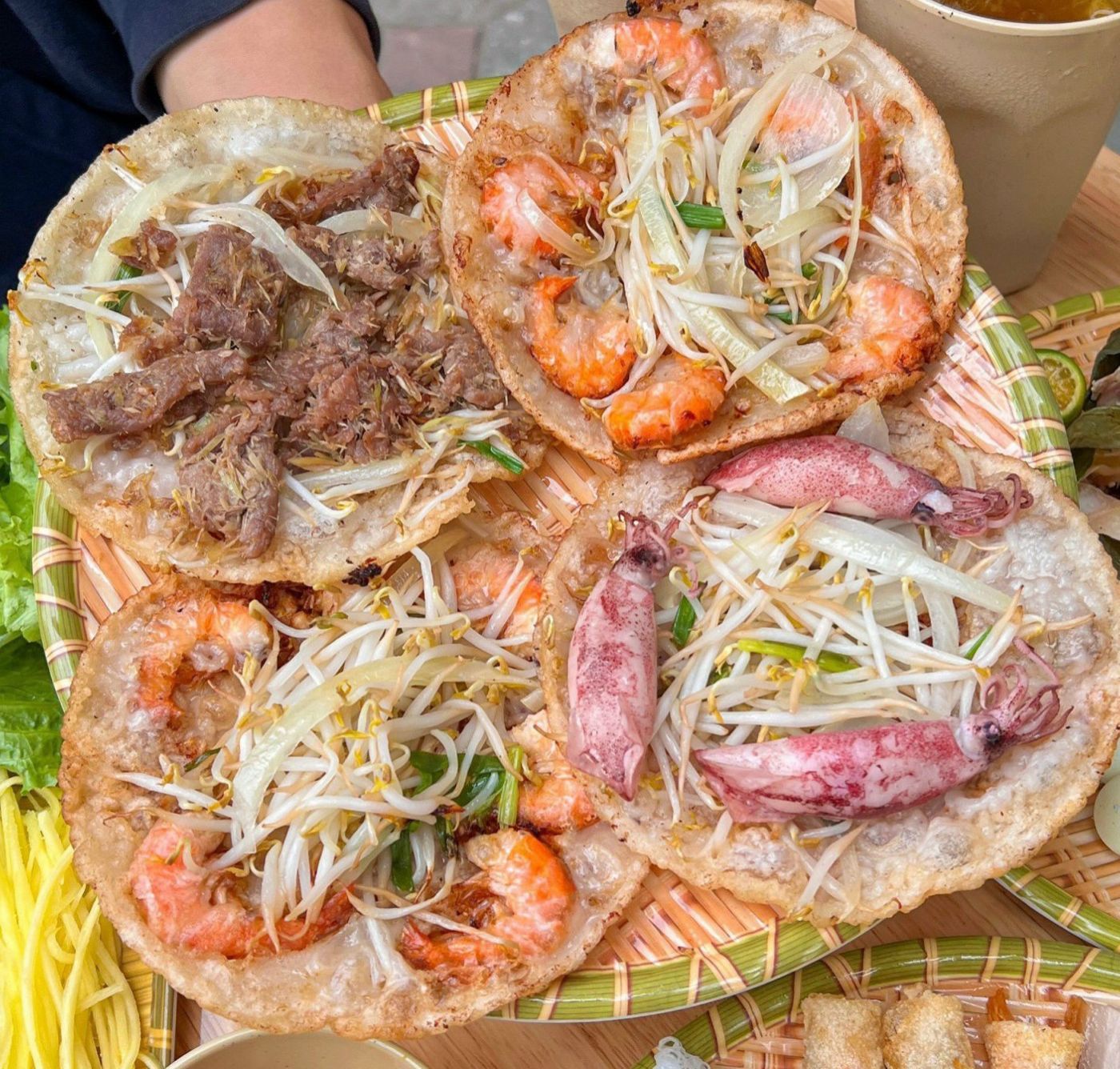
As you cut into it, a colorful array of aromatic ingredients are revealed, creating an alluring presentation that entices your taste buds. The scent of cooking shrimp and savory meat wafts through the air, intermingling with the freshness of herbs and the tangy sweetness of fish sauce. With just one bite, you experience a game of essences in the perfect harmony making an explosion of sensations. This dish is irresistible and will leave you craving for more long after it's gone.
Where to eat:
- Giai Vy Diner - 14 Dien Hon Street
- Anh Vu Diner - 16 Dien Hon Street
5. Goi Ca Mai - Sardine Salad
The next epicurean gem of Quy Nhon shines bright in the form of fish salad. This exquisite creation begins with the freshest catch from the nearby waters, where each fish is carefully prepared, its succulent meat delicately extracted. The resulting dish dances on the palate with a perfect marriage of the rare fish's sweet freshness, the fiery kick of chili, the zesty tang of lime, and the aromatic assorted herbs.
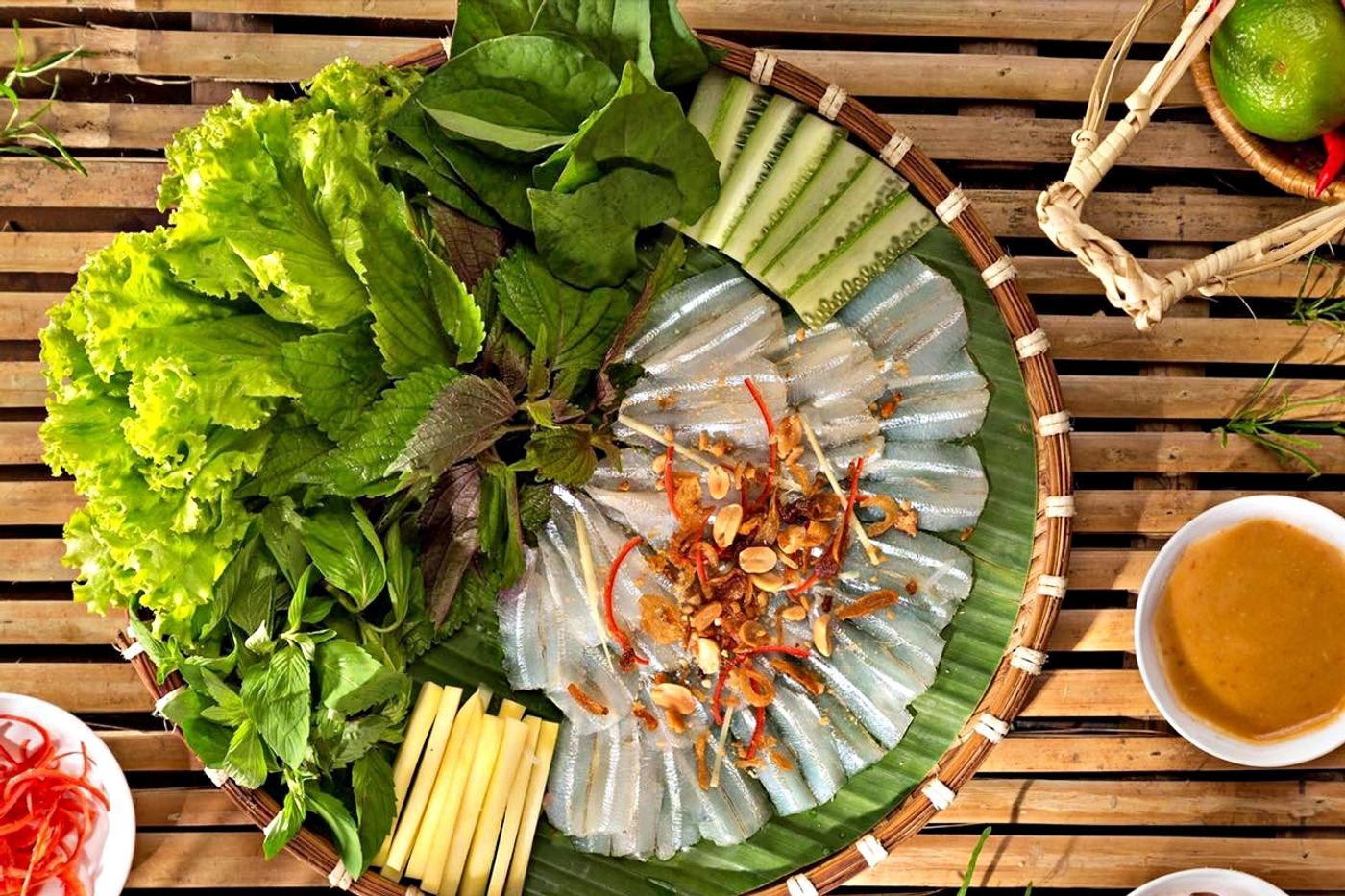
Typically savored alongside rice paper, crisp veggies, and tender rice vermicelli, this culinary masterpiece offers a nourishing and delightful feast for the senses. Though rooted in simplicity and tradition, this fish salad embodies the very essence of a gastronomic heritage, a flavorful ode to local cuisine artistry.
Where to eat:
- Thanh Kieu Diner - 69/1 Tran Hung Dao Street
6. Seafood feast
Lastly, the beaches of Quy Nhon aren't just a pretty sight; they're a feast for the senses, especially if you're into some lip-smacking fresh seafood. Thanks to its prime location, the tranquil coastal retreat boasts a diverse and rich variety of treasures like abalone, king crabs, cuttlefish, and snails, to name a few.
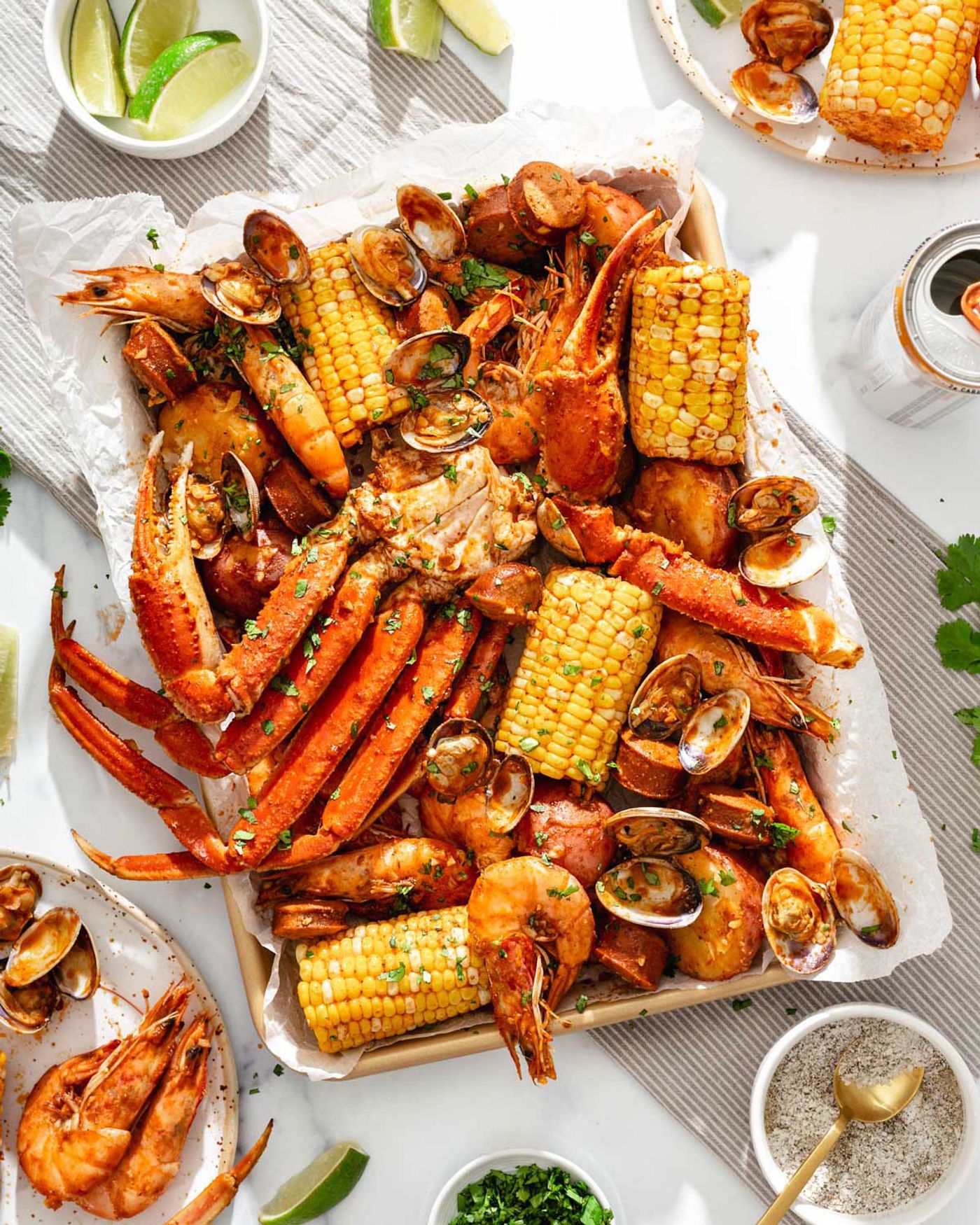
And here's the kicker – you can snag seafood at the local markets or straight from the docks for a DIY culinary. The prices are pocket-friendly too, making the gastronomic experience a win-win for every traveler.
Check out our comprehensive Ha Long Bay Travel Guide.
Conclusion
To sum up, Quy Nhon beckons with its pristine beaches, tantalizing culinary delights, and rich cultural heritage. Whether you're seeking a journey along its shimmering coastlines, indulging in its delectable seafood cuisine, or immersing yourself in its storied past, this charming beachside getaway promises to captivate and enchant you. Also, it’s a transformative trip that lingers in the heart and soul long after you depart. So, pack your bags for an unforgettable voyage, and let Quy Nhon weave its magic on you. Your next great adventure awaits in this gem of Vietnam.
Have a specific plan for Quy Nhon here.
As the Largest Aviation - Tourism corporation in the country, Vietravel consistently provides high-standard services at the most competitive prices so that you can discover the beauty of not only Vietnam but all of Southeast Asia.
Please contact us for more information
Vietravel – Asia’s Leading Tour Operator
Hotline: (84) 35 235 61 61
Email: [email protected]
Website: www.vietravelasia.com
#VietravelAsia #Vietravel #Vietnam #QuyNhon #discovery #travelguide